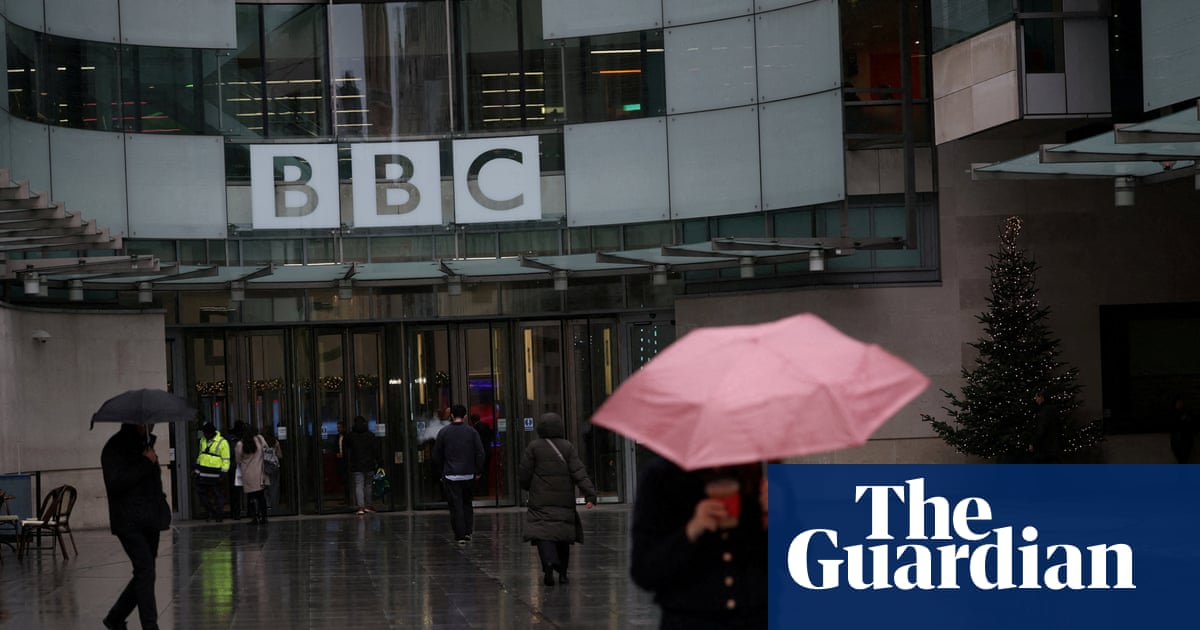
The BBC has spent hundreds of millions of pounds of its cash reserves in a single year, increasing concerns at the corporation over the perilous state of its finances. Cash reserves at the BBC’s public service arm slumped by 66% in the last financial year, from £369m in 2025 to just £125m, according to analysis by the Guardian. This is the lowest figure in the last decade of accounts.
Matt Brittin, the BBC’s director general, used an internal call with staff last week to warn that slumping cash reserves and maxed-out dividends from the corporation’s commercial operation meant there was “not a lot of elbow room for anything”. He made the call after staff questioned how the BBC’s finances had been allowed to deteriorate so badly. The broadcaster is currently engaging in huge cuts, including up to 2,000 jobs, designed to save £500m.
BBC insiders said cash reserves were being spent to ensure the BBC could keep investing in content and make the changes needed to adapt to digital audiences. The BBC licence fee has lost about £1.3bn in value in real terms since 2017. This has been a result of fee freezes and a faster than predicted rise in the number of people choosing not to pay it.
The broadcaster is having to make painful changes to deal with the rising costs of TV production, growing competition from the likes of Netflix and YouTube, and rapidly changing patterns of how people consume media. The financial decline has coincided with a huge amount of staff turnover at the top of the corporation. Its chief financial officer, chief technology officer and chief operating officer have all left in the last 18 months.
They will soon be joined by the chief people officer. Tim Davie, the BBC’s previous director general, resigned last year after criticism over a Panorama episode that spliced together parts of a Donald Trump speech. The US president has since taken legal action.
The BBC has apologised for the cut, but maintained it did not defame him. The cash crunch comes at a difficult time for Brittin, who took over from Davie in May. He wants to transform the BBC to cope with the demands of digital audiences, but major changes require upfront investment.
Extract — continue reading at the source.



