sözaltı news World
World
EN AZ
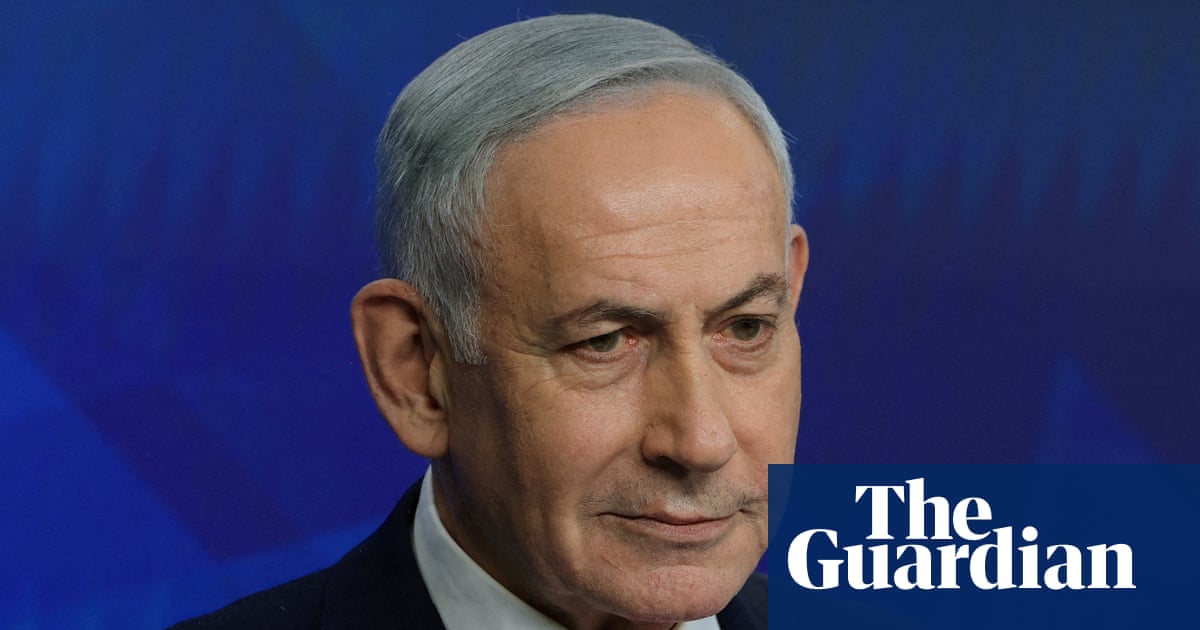
Benjamin Netanyahu’s rejection of US deal for Gaza is a risky move

Benjamin Netanyahu’s rejection of US deal for Gaza is a risky move

theguardian.com 10.08.2026 21:27 16 baxış
Israeli prime minister’s unexpected move blindsided IDF commanders and could alienate Trump, his main allyBenjamin Netanyahu’s public rejection of a US-backed deal for Gaza drew scepticism in Israel, amid reports he was

Benjamin Netanyahu is caught between the demands of the far-right members of his coalition government and those of his international allies. ahu is caught between the demands of the far-right members of his coalition government and those of his international allies. etanyahuAnalysisBenjamin Netanyahu’s rejection of US deal for Gaza is risky moveEmma Graham-Harrison in JerusalemIsraeli prime minister’s unexpected comments blindsided IDF commanders and could alienate Trump, his main allyMon 10 Aug 2026 19.27 CESTLast modified on Mon 10 Aug 2026 20.28 CESTShareBenjamin Netanyahu’s public rejection of a US-backed deal for Gaza drew scepticism in Israel, amid reports he was personally hammering out details of a pilot military withdrawal days earlier.The Israeli prime minister is struggling to balance incompatible demands on Gaza policy from his key domestic and international allies.The far-right Israeli politicians who prop up Netanyahu’s coalition government want to intensify Israeli attacks on Gaza and establish settlements inside the territory.Donald Trump, who provides vital diplomatic and military backing for Israel, wants to move toward a permanent settlement and return to Palestinian control in Gaza, brokered by the Board of Peace that he created and chairs.With an Israeli election looming in just over two months, Netanyahu appears to have opted to publicly placate domestic partners who are already on the campaign trail.On Sunday, he rejected a new 15-point plan for Gaza, which included a Hamas commitment to give up its weapons, meeting a key Israeli demand. He also resisted US pressure to end wars in Gaza, Lebanon and Iran without Israel’s buy-in.The remarks blindsided Israeli commanders who had been discussing implementation of the plan in meetings with Netanyahu and the Israeli chief of staff, Eyal Zamir, just days earlier, Israel’s Channel 12 television reported.“We learned about it today from the media,” the station quoted a defence official saying. Bill Clinton, after meeting him for the first time in 1996, is reported to have said: “Who’s the fucking superpower here?”In May 2024, then US president, Joe Biden, announced an Israeli-backed ceasefire and hostage release plan for Gaza, only to have Netanyahu distance himself from the proposal and ultimately reject it.For now the administration in Washington appears to have largely shrugged off Netanyahu’s comments as electioneering, perhaps encouraged by military decisions that indicate a far more attentive regard for Trump’s wishes.Last week, Netanyahu scaled back Israeli airstrikes on Gaza by raising the threshold for authorising attacks.

Targeted killings must now be approved by the chief of staff, rather than the regional commander, unless Israeli forces are in “imminent danger”.Nor is this the first time he has bowed to US pressure to rein in wars that have the enthusiastic backing of his far-right allies, recently limiting the offensive in Lebanon, and last year ordering fighter jets heading for Iran to turn back at Trump’s demand.Netanyahu’s combination of fierce domestic rhetoric and some conciliatory steps on the ground in Gaza may have bought him a bit of time but US patience may not last until polling day in late October.Trump is weighing up election concerns of his own, as the US is holding midterms just a week after Israel votes.Netanyahu’s visit to the White House last month was notably low profile for a leader who has repeatedly campaigned on his reputation as an international statesman and close relationship with the US president, Haaretz newspaper noted.It ended without a joint statement, and strains caused by the Israeli prime minister’s competing political priorities have become increasingly evident. In an interview with Israeli media he said only that “discussions continue”.Palestinians in Gaza have endured nearly a year of deadly limbo after Trump brokered a nominal ceasefire last October, that he said would halt fighting and pave the way for reconstruction.Israeli attacks have continued, killing over 1,200 people, and Israel has blocked the entry of equipment, supplies and fuel needed for rebuilding homes, schools and medical infrastructure.The majority of Gaza’s surviving population live in tent camps with little sanitation, and although hunger has diminished food shortages are still widespread, with over 70,000 children projected to need treatment

Extract — continue reading at the source.

Read full story