I’d been writing screenplays with Michael Winterbottom and in 2006, his producer Andrew Eaton said: “There’s this quartet of novels by David Peace. Are you interested in adapting them?” I read the first, 1974, and was drawn to it and repelled at the same time. It was strong meat, full of anger and injustice.
It’s anchored in reality, especially the Peter Sutcliffe and Stefan Kiszko cases, but heightened and stylised. I was scared stiff because the novels were so experimental but I desperately wanted to do it – even if adapting all four would mean waving goodbye to several years of my life. The books span a decade with a huge cast of characters, so I condensed a lot.
Eaton was keen on a different director and format for each film. It meant each had its own reference points. I thought about Chinatown a lot with 1974.
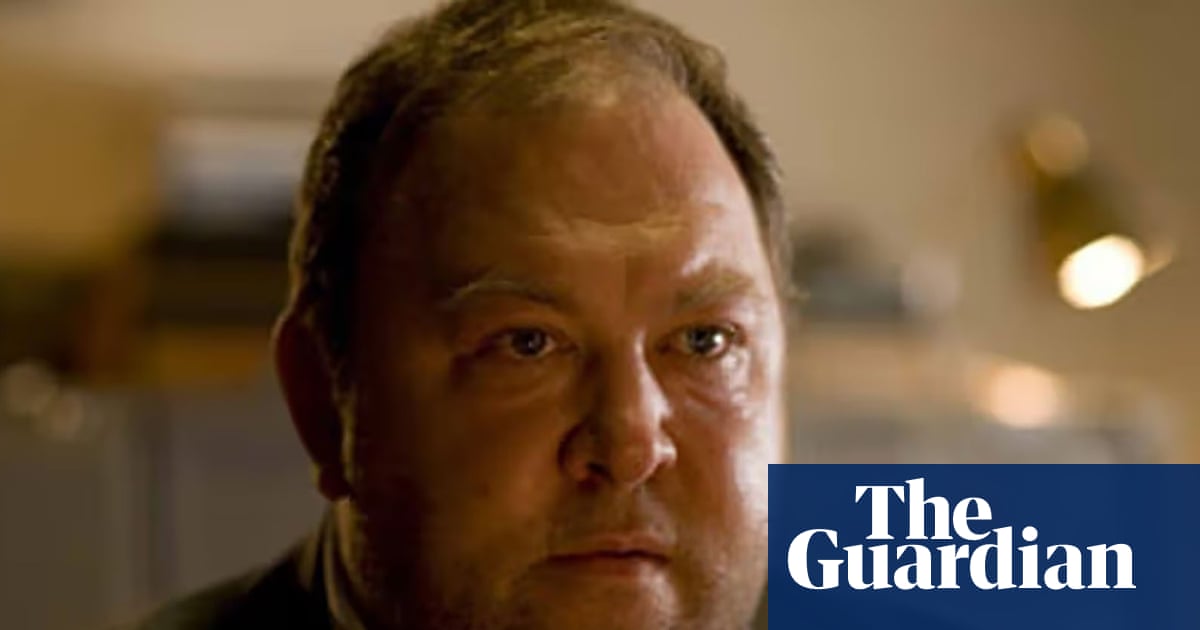
The design and costumes were all smoky and brown, like the 70s. The cast went for the material big time. David Morrissey really did his research and Sean Harris is nothing if not method.
It’s a very masculine story but we wanted strong female characters too – we had Maxine Peake and Rebecca Hall. I kept the most horrendous violence off-screen. Violence you imagine is much worse than anything you’ll see.
The police interrogation scenes, where they torture suspects, are terrifying and deliberately so. Stefan Kiszko, on whom Daniel Mays’s character is based, was released in 1992 and died 18 months later, having been wrongly imprisoned for 16 years. A man with a mind of a 12-year-old who just wanted his mum.
Extract — continue reading at the source.