WESTERN MONTANA — Voters are angry, and an unconventional crop of Democratic candidates see an opening in this year's midterms to reclaim territory others in the party have given up on. From the Great Plains and Upper Midwest to the Deep South, campaigns are taking a page from a progressive brand of economic populism that once flourished away from the coasts. They are betting that harnessing anger at corporate power and both parties might succeed when many voters believe the economy and government are not working for working people.
If successful, they could forge a new playbook to compete again in places Democrats used to win. Forest Service smokejumper Sam Forstag is trying to flip a House seat by speaking directly and from his own experience about the economic stress facing many Montana voters. "I was making 19 bucks an hour jumping out of airplanes for the federal government in a community where you'd be lucky to find a home for a half million bucks," says Forstag, who in 2022 joined an elite team of wildland firefighters parachuting into remote areas.
"If a smokejumper is being left behind, a whole lot of other people are being left behind by both political parties." When President Trump cut nearly 400 Forest Service jobs in Montana last year, Forstag was his union's vice president. Forstag says he tried to reach his Republican congressman, Ryan Zinke. "Time and time again, I got crickets, so I decided if he's going to come after my coworkers and our members' jobs, I'm going to come and take his," Forstag told a crowd of smokejumpers and wildland firefighters this month at the Great Burn Brewery in Missoula.
Zinke ultimately retired, opening a district that runs some 400 miles between Yellowstone and Glacier National Parks. Trump won the district by double digits in 2024. Now it is considered a toss-up.
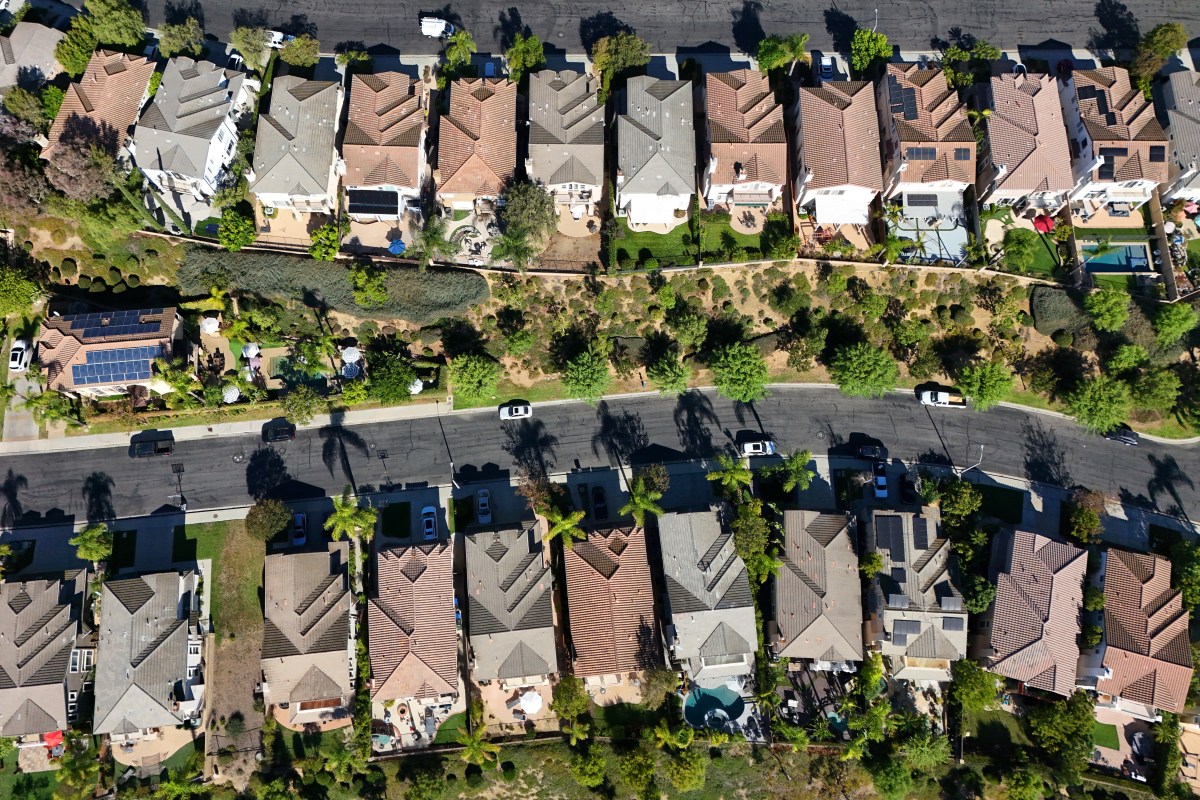
A mix of factors are upending the typical political dynamics inside the district. With an influx of wealthy transplants since the pandemic, the Montana housing market has become among the most unaffordable in the nation. That squeeze has been compounded as the cost of groceries, gas and health insurance have also soared.
Montana has not usually been thought of as a swing state in recent years. Not long ago, voters here regularly elected Republicans and Democrats. But as the urge for disruption and a strain of populist rhetoric trained on cultural elites and immigrants helped propel Trump to victory in 2016, Democrats increasingly struggled to hang on.
Extract — continue reading at the source.