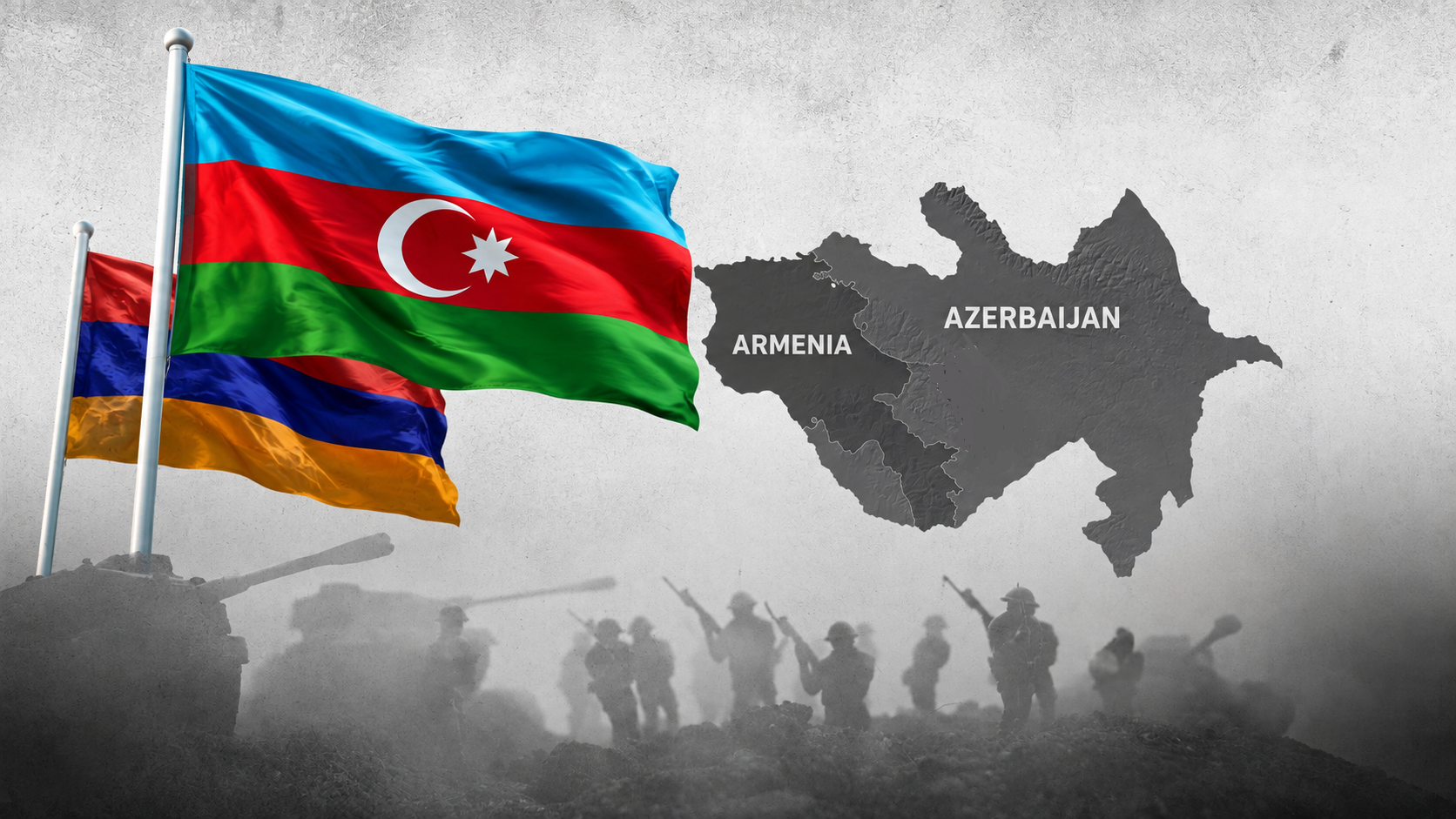
27 September should be marked not only in Azerbaijan, but across the South Caucasus, as a day associated with the beginning of a new phase in the region's search for stability and peace. Wars arise from a variety of ethnic, historical and geographical factors, but their consequences for human lives and economic development can be profoundly disastrous. Perhaps Armenia may, in time, or may not, view the eventual outcome of the conflict as an opportunity to reassess the consequences of its past policies.
Nevertheless, the situation today remains more complex. The new economic opportunities emerging in the region, together with the South Caucasus's growing importance as a major transport and transit hub, have generated differing reactions among regional and international actors. Some of these reactions reflect continuing political disagreements and competing interpretations of the region's future.
As is well known, the conflict had its roots in the dispute over Karabakh, including several regions that surround its territory. Azerbaijani territories remained under Armenian control for nearly 30 years before the 2020 war. In the context of renewed hostilities, Azerbaijan launched military operations, citing its right to self-defence and the implementation of relevant United Nations Security Council resolutions.
Following the 44-day war, a trilateral statement was signed on 10 November 2020, bringing the active phase of the conflict to an end and establishing arrangements for the withdrawal of Armenian forces from the remaining occupied territories. Consequently, while Azerbaijan commemorated the outcome of the war, Armenia marked 27 September as a day of national mourning. This is understandable given the significant loss of life suffered by Armenia during the conflict.
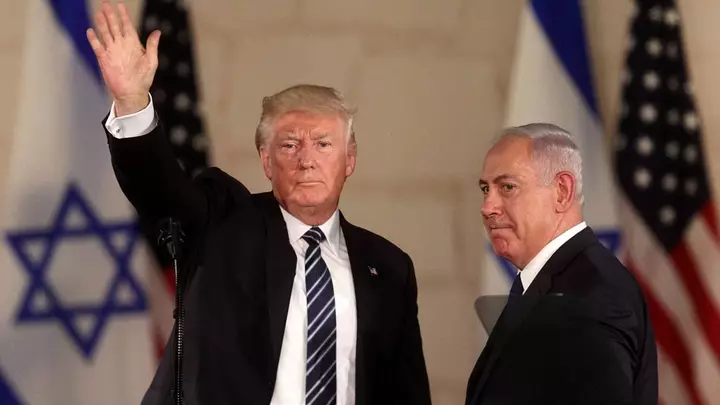
At the same time, continued focus on the past can make it more difficult to address the new economic and political circumstances emerging in the region. Public debate and media coverage in Armenia on 27 September also included criticism of Türkiye, Israel and Azerbaijan, alongside competing narratives about the causes and outcome of the war. Social media featured discussions about Türkiye-Azerbaijan relations, as well as claims regarding the role of Israeli-made weapons and other military equipment in Azerbaijan's military campaign.
These debates reflect the continuing differences in how the conflict is interpreted on both sides. This raises a broader question: how did Armenia assess its own economic and military capabilities during the years preceding the 2020 war? To shed further light on the issue, let us go back six years and examine the capabilities of the Azerbaijani armed forces at that time.
Extract — continue reading at the source.