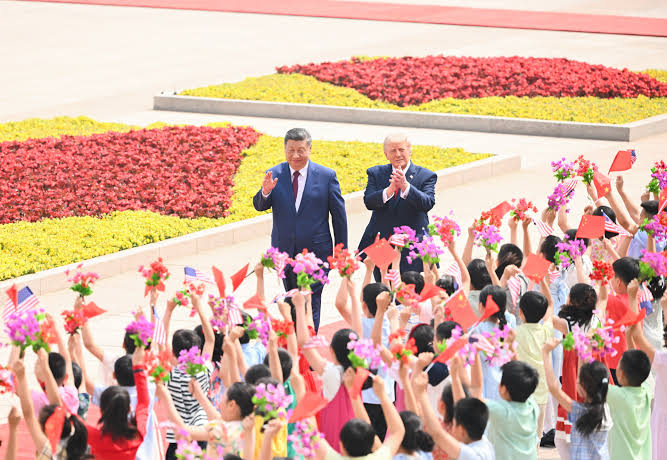
By Qaiser Nawab | AzerNEWS | Guest columnist President Xi Jinping’s state visit to the United States from September 23 to 25 comes at a time when predictability has become a scarce commodity in international affairs. The visit, at the invitation of President Donald Trump, follows Trump’s state visit to China in May and marks another round of direct leader-level engagement within a relatively short period. The White House has scheduled a formal welcome, talks and a state dinner in Washington.
The ceremony will inevitably attract attention. But the more consequential part of the visit lies elsewhere: in the effort to keep senior-level diplomacy functioning between two countries whose decisions affect markets, supply chains, technology, climate policy and international institutions far beyond their own borders. There is a temptation to judge important visits almost immediately — by the number of agreements announced, the wording of a joint statement or whether one side appears to have secured more than the other.
That is often a poor measure of diplomacy. Meetings between major powers rarely settle complicated questions in a single sitting. Their practical value can be more modest, but still significant.
They create opportunities to clarify positions, reduce the risk of misunderstanding, and give officials below the presidential level room to continue working on difficult issues. The useful question, then, is not whether this visit produces a dramatic breakthrough. It is whether repeated high-level contact can make a complicated relationship more predictable and more manageable.
Diplomacy is also about managing uncertainty China’s Foreign Ministry has said Xi and Trump will exchange views on major issues concerning bilateral relations as well as questions relating to world peace and development. Beijing has also said it hopes the visit will strengthen dialogue and cooperation while allowing differences to be managed appropriately. The language is broad, as diplomatic language usually is.
What deserves greater attention is the pattern behind it. Trump travelled to China in May, where the two leaders held talks, and Xi’s September visit provides another opportunity for direct discussion only a few months later. Frequent contact does not erase disagreements, but it can establish habits of communication.
Extract — continue reading at the source.