Week 4 brought the first full weekend of conference play in the Big Ten, which provided some teams with their first real test of the 2026 season. While much of the focus was on Oregon's visit to the Coliseum to face USC, where the Ducks emerged with a much-needed win in spite of Dante Moore's first-half concussion, two other teams made significant statements on Saturday. The first was UCLA, which improved to 4-0 in Bob Chesney's first season at the helm with a 54-3 beatdown of Maryland that will likely be one of the final nails in Mike Locksley's coffin in College Park.
The Bruins' offense has looked terrific in the first four weeks of the season, averaging 44.8 points per game thanks to a top-5 rushing attack in the country that's averaging more than 280 yards per game on the ground. While the Bruins have yet to face a top team, they've proven they are far superior to the bottom tier of the Power Four, having already bludgeoned California, Purdue and Maryland this season. That's a big step in the right direction for Chesney's group, and now UCLA will get a bye week to dig in on preparation for what will be a ranked showdown in Week 6 at Oregon.
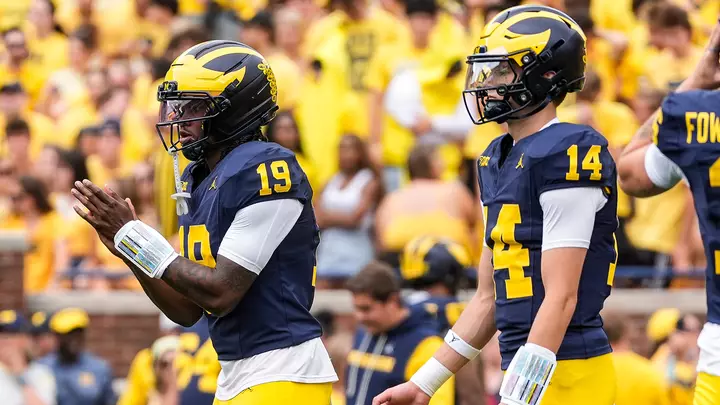
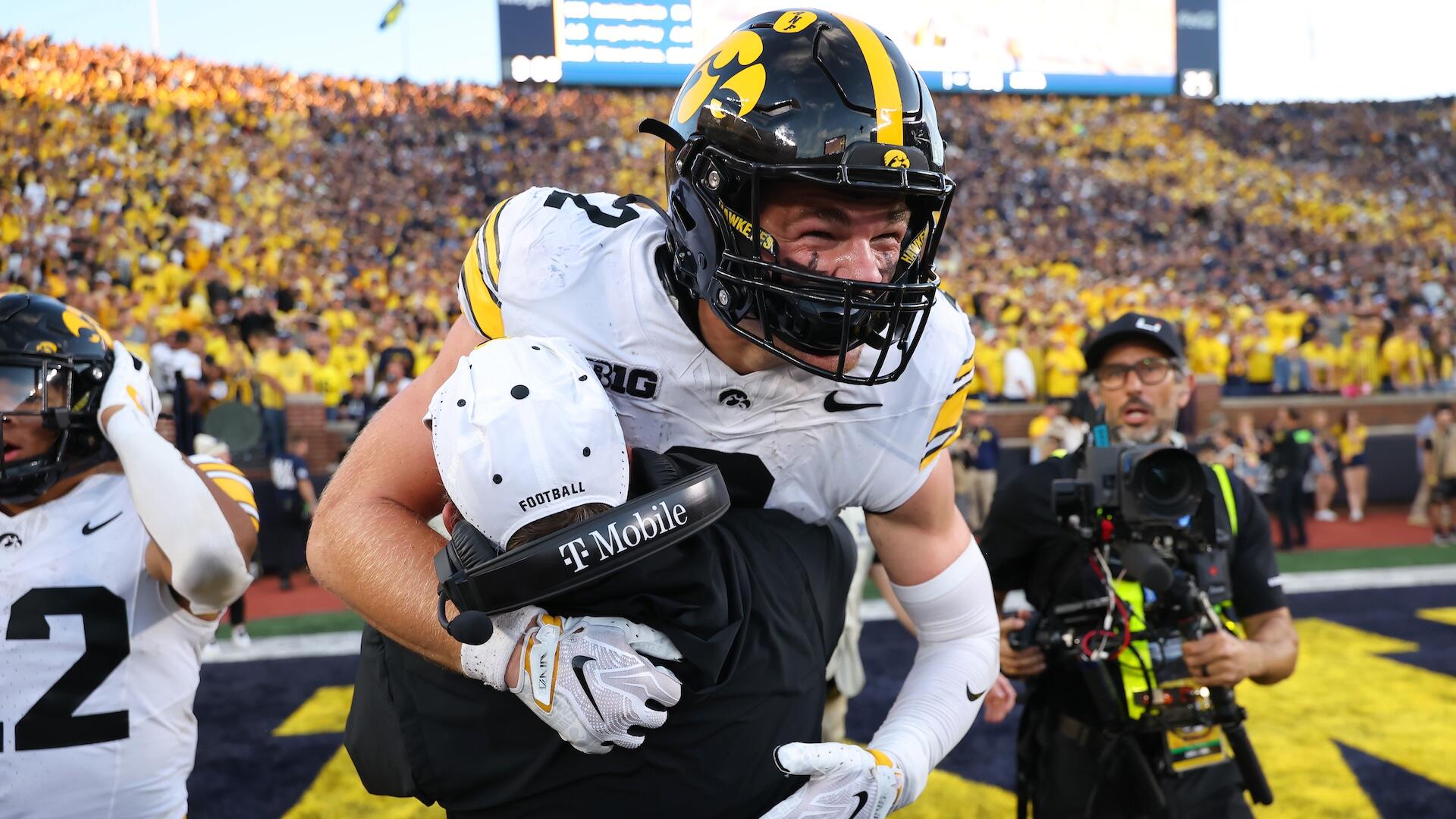
The other early-season surprise (in a good way) in the Big Ten is Iowa, which stunned Michigan in the Big House with a last-second touchdown pass to pull off a 20-19 win. It was a victory only a Kirk Ferentz-led team could pull off, as the Hawkeyes were outplayed by the Wolverines by most every metric, but in the turnover battle and special teams. The 4-0 Hawkeyes will now return home to welcome No. 5 Ohio State to Kinnick Stadium, where we will learn exactly how much of the gap they've closed to the conference's elite teams.
Where do UCLA and Iowa fall in our first batch of Big Ten Power Rankings? The defending champs are 4-0, and that's enough to retain the top spot, but last week's narrow escape against Northwestern raised some red flags that this Hoosiers team has taken a step back from last year's group that won a national title. Josh Hoover's inconsistent play raises concerns about the offense's ability to reach the same heights as a year ago, and while the running game has picked up the slack, injuries have depleted their running back room.
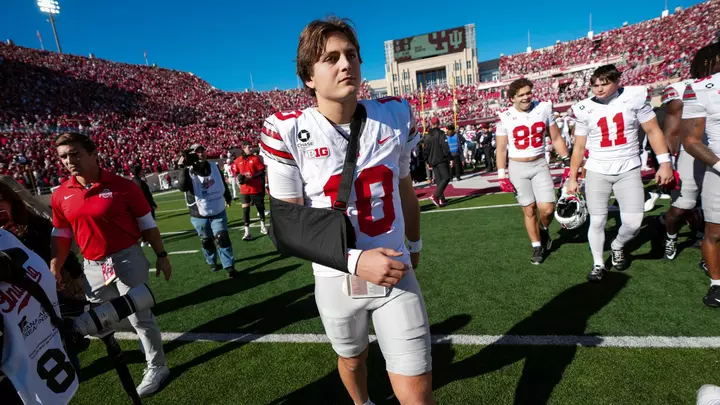
The defense still looks elite -- although they did get carved up late by Aidan Chiles in the Northwestern game -- but this year's Indiana clearly has less margin for error compared to last year's team that steamrolled most opponents. Ohio State is a fourth-quarter collapse at Texas away from the top spot, but this Buckeyes team looks the part of a title contender again. Jeremiah Smith is the best receiver in the country and is making a strong case to be an all-timer in college football history, putting up video-game numbers through four games (154.3 yards per game and 7 touchdowns).
Julian Sayin looks terrific, they can actually run the ball this year, and the defense is playing at an elite level again, despite so much of last year's defense playing on Sundays this fall. The real question is whether the Buckeyes can get out of their own way in big games. The biggest criticism of Ryan Day's tenure has been Ohio State's tendency to turtle up in big moments, and the Texas loss did nothing to ease concerns about their approach to closing out wins against top competition.
Extract — continue reading at the source.