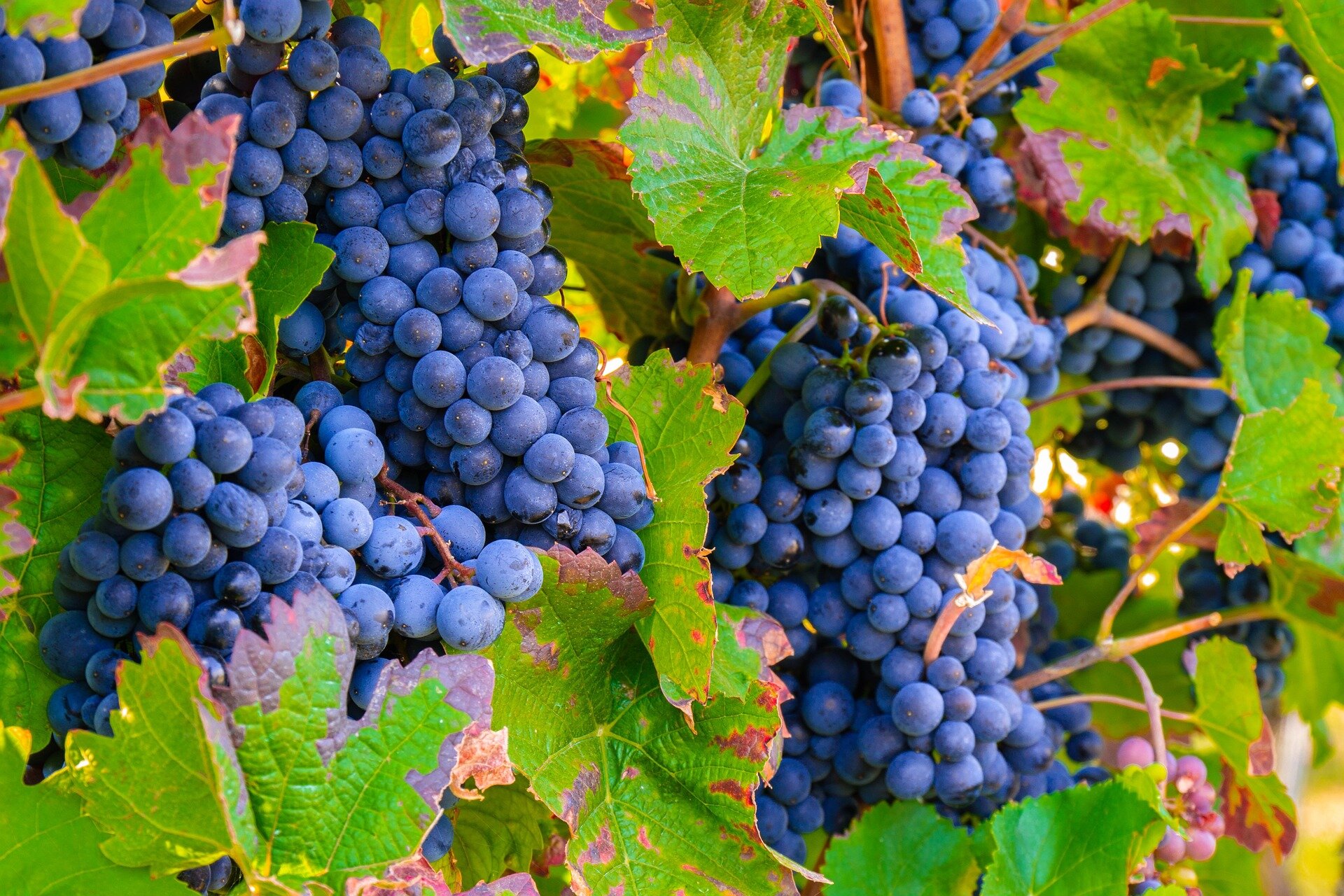
This article has been reviewed according to Science X's editorial process and policies. Editors have highlighted the following attributes while ensuring the content's credibility: Farmers use a manufactured version of a natural plant hormone called gibberellic acid to improve the health and growth of crops, but it is highly sensitive to heat and light. A study in the Journal of the Science of Food and Agriculture shows that loading gibberellic acid into biodegradable nanoparticles can improve grape yield and quality, making it a promising and environmentally friendly approach for sustainable agricultural production.
Field applications demonstrated that treatment with gibberellic acid–loaded nanoparticles increased grape cluster weight by 104% and length by 67% compared with free gibberellic acid treatment, while berry weight, length and width increased by 15%, 4% and 13%, respectively. "Compared to traditional products, nanocarrier systems ensure more efficient delivery of active substances such as plant growth regulators in agricultural applications," the authors wrote. Polymeric Nano-Delivery of Gibberellic Acid Enhances Fruit Quality, Yield, and Pedicel Strength in Grapevine (Vitis vinifera L.), Journal of the Science of Food and Agriculture (2026).
DOI: 10.1002/jsfa.71082 Journal information: Journal of the Science of Food and Agriculture BSc Life Sciences & Ecology. Microbiology lab background with pharmaceutical news experience in oil, gas, and renewable industries. Full profile → Bachelor's in mathematical biology, Master's in creative writing.
Well-traveled with unique perspectives on science and language.
Extract — continue reading at the source.


