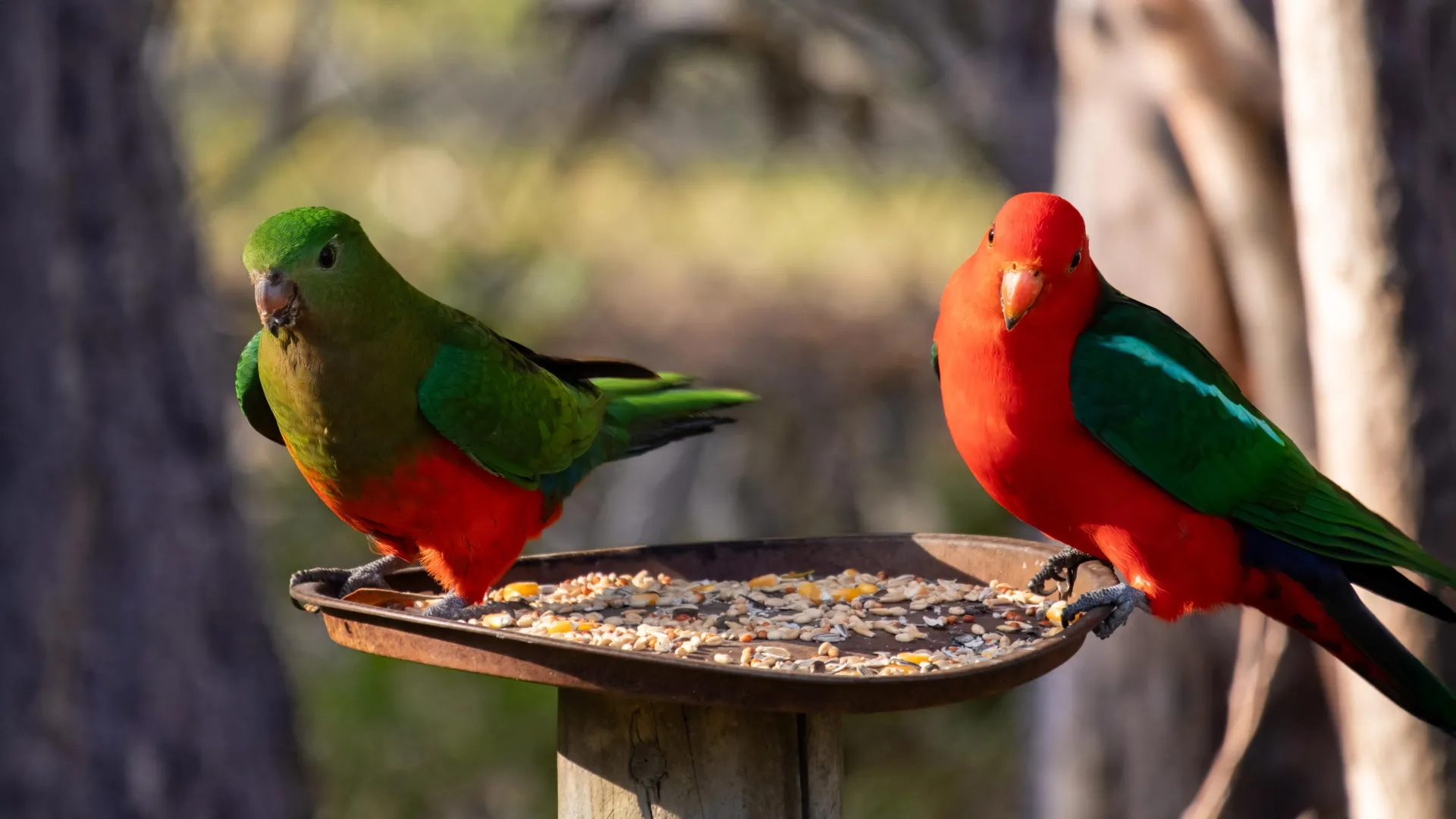
Backyard bird feeding is one of our country’s most popular pastimes. Research reveals about half of Australian households feed wild birds, with many people doing so daily. However, this practice could act as a superspreader event – where a disease infects an unusually high number of people or animals – of the H5N1 virus.
This deadly strain of bird flu has already decimated wild bird and mammal populations worldwide. It is now spreading across Australia, most recently killing more than 1,000 crested terns and a long-nosed fur seal, the first detection in a mainland mammal. Although many Australians feed wild birds, the practice is controversial.
This is mainly due to concerns about people offering unsuitable foods and birds becoming dependent on humans. So why is backyard bird feeding such a problem when it comes to bird flu? People feed wild birds for various reasons, including to provide food during tough times or simply enjoy their presence.
Most care deeply about their avian companions and believe feeding them is helpful. However, they may not realize the danger this creates for the birds they love. Feeding wild birds heightens the risk of disease transmission at feeding locations.
When we offer supplementary food, such as seeds or meat scraps, this attracts birds of many different species in a combination and number that would not happen in nature. They may carry deadly diseases, such as the H5N1 virus, and potentially spread them to other birds. This can create a transmission hotspot right on our back deck.
And catching bird flu can push our most threatened species, such as the orange-bellied parrot, to the brink of extinction. The fatal effects of H5N1 are not only contained to birds. Scavenger animals such as possums, red foxes and crows can be exposed to the virus while devouring the carcasses of infected birds.
Extract — continue reading at the source.