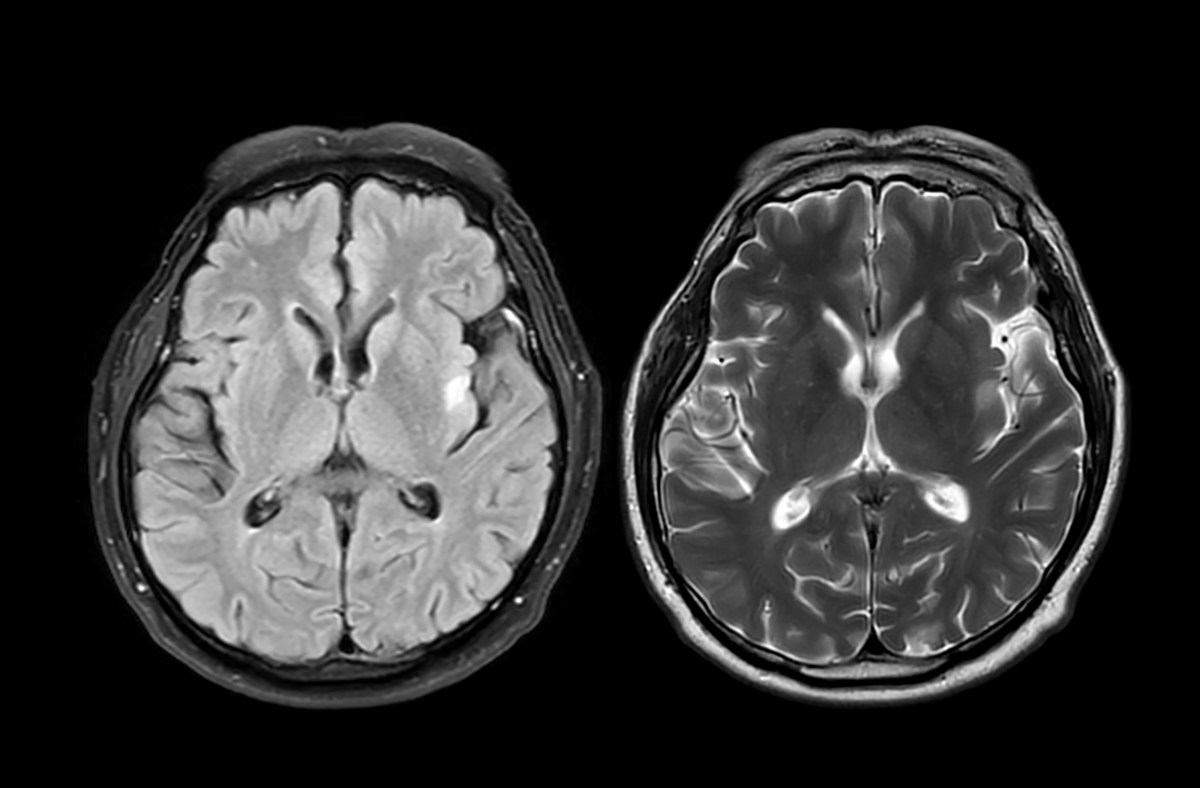
A brain scan tool that measures shrinkage in areas linked to thinking and memory may help predict how quickly people with early-onset Alzheimer’s disease progress from mild cognitive impairment to dementia, a study suggests. Early-onset Alzheimer’s disease develops before the age of 65. It often begins with mild cognitive impairment, or MCI, in which problems with memory and thinking are noticeable but not severe enough to be considered dementia.
While some people progress from MCI to dementia quickly, others take longer. Researchers wanted to determine whether patterns of brain shrinkage could help predict the likely speed of that progression. They created a brain scan tool called the early-onset Alzheimer’s disease signature that looks for atrophy, or shrinkage, in specific areas of the brain’s gray matter.
The tool focuses on eight regions involved in thinking and memory, including parts of the parietal cortex and temporal cortex. Using MRI scans, researchers measured the thickness of these areas and combined the results into a single score representing the amount of brain shrinkage. The study included 130 people with mild cognitive impairment who were living independently, along with 97 healthy people for comparison.
All participants were between 40 and 64 years old. Each participant had an MRI scan at the beginning of the study and attended at least one annual follow-up visit. They were followed for an average of two years.
During the study period, about 65 percent of the people with early-onset Alzheimer’s disease progressed from MCI to dementia. Researchers found that greater gray matter shrinkage was associated with faster progression. For every increase of one standard deviation in the amount of shrinkage, the risk of progressing from MCI to dementia was 1.24 times higher.
The brain scan biomarker also predicted progression more effectively than simply examining a person’s symptoms at the start of the study. Lead researcher Alexandra Touroutoglou, of Harvard Medical School, said one of the most common questions patients ask is: “When will I lose my independence?” According to the researchers, there are currently limited ways to predict when someone with early-onset Alzheimer’s disease will progress from MCI to dementia. Their findings indicate that the biomarker could act like a “timer” or “clock,” helping doctors estimate when dementia may begin and how quickly the disease could progress.
Extract — continue reading at the source.