In February 2016, days after David Cameron announced the UK would hold a referendum on leaving the EU, he told workers in Slough not to imagine they could change their minds a few years down the line if they did not like how things panned out. Voting to stay in or leave was a once in a generation thing, he said. A decade after Britain told Brussels where to go, Brexit is back on the political agenda.
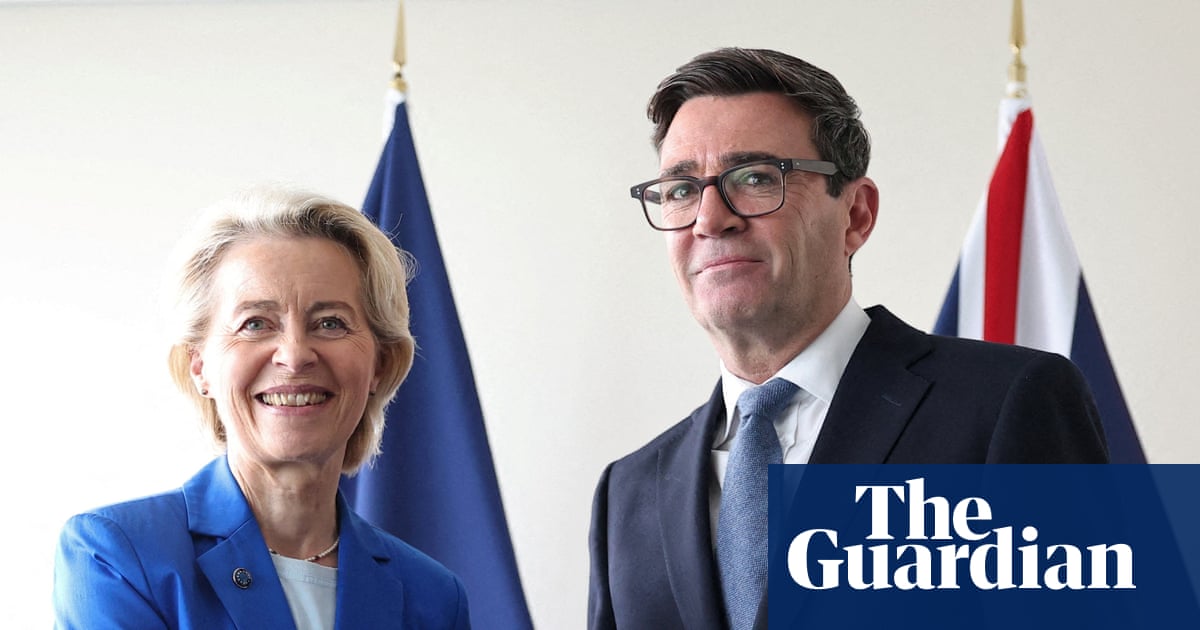
After years in which many politicians avoided any mention of the B-word, Andy Burnham broke the omertà in his party conference speech last month, saying he would look again at Britain’s relationship with Europe. This week he went further, insisting the current arrangement must change: “Sticking with the status quo is not good enough for Britain.” Among a range of options on the table, he has been clear, is the possibility of going “all the way” and rejoining the EU. There are pressing economic reasons Burnham has been talking up closer alignment, as the EU works out its position on the UK’s access to its protectionist “Made in Europe” legislation, which the prime minister has said could hurt British manufacturing.
But after years of bitter division and political dysfunction in the fallout from the vote, are the British public really ready to talk about Brexit again – and even to contemplate reversing it? Polling evidence may suggest so. A “megapoll” of more than 11,000 people published this month found that half of Britons now support rejoining the EU, with only 28% opposed, and the remainder undecided.
Almost 60% think it was wrong to leave. Sliced some ways, the numbers are even more striking: a More in Common survey in June to mark a decade since the vote found that if another referendum was held today across Britain’s 632 constituencies, just 11 would vote to leave (even in Clacton, Nigel Farage’s constituency, 52% supported rejoining). To the polling expert Rob Ford, a professor of political science at the University of Manchester, there are several key reasons, from demographic change to buyers’ remorse.
Brexiters are fewer in number – “a lot of leave voters have died, bluntly” – and both young people entering the electorate and those who did not vote in 2016 skew heavily in favour of Europe. And with the project widely considered a disappointment at best, a proportion of those who opted to leave have switched positions. Given the divisiveness and turbulence of the past decade – and the fact many Labour MPs represent constituencies that voted to leave – it is little wonder that some senior Labour figures have expressed nervousness about reopening the debate.
But the view from formerly Brexit-supporting areas is not necessarily what it was. Ford added: “Andy Burnham looks at the data and says, well, I’ve got an electoral coalition that’s 80% remain and becoming more so. The parties to my left that I need to squeeze have a [position] that is even more remain than that.
Extract — continue reading at the source.