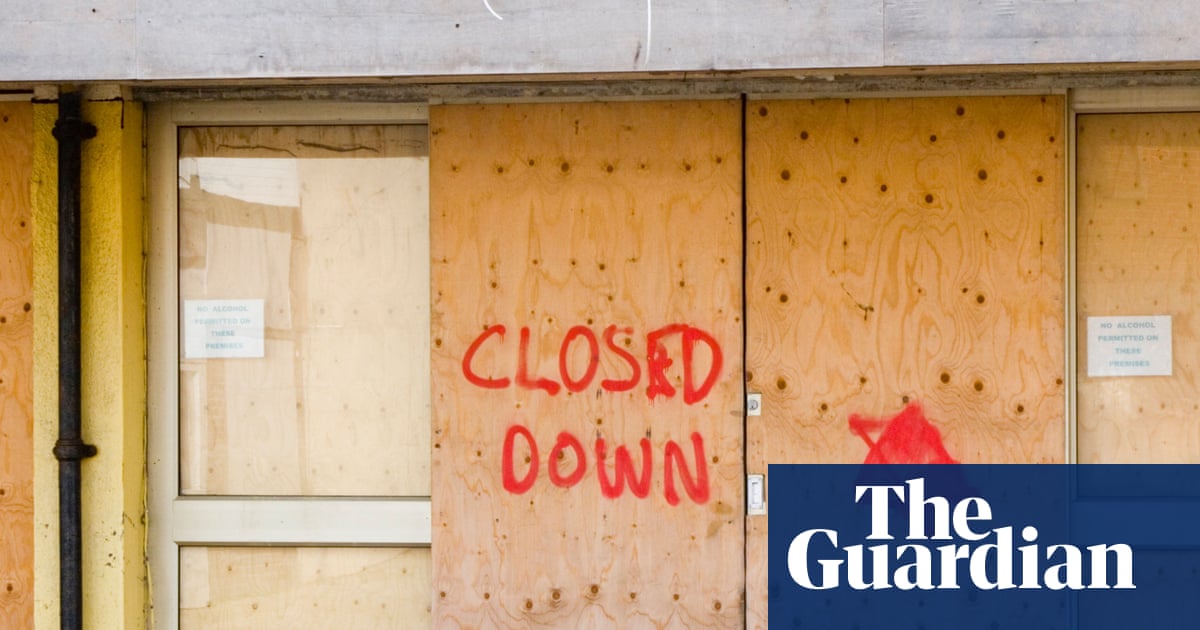
Angela Rayner has said voters will begin to see a difference in their high street before the next general election as Labour prioritises investment in struggling local communities. The housing secretary said the government had made it a top priority before the country goes to the polls to begin turning around the fortunes of places blighted by boarded-up shops and rogue businesses. On Thursday the chancellor was warned by the Resolution Foundation and the Institute for Fiscal Studies that his measures were poorly targeted and had paved the way for a “brutal” spending review next year.
Meanwhile, the owners of Poundland filed a notice of intention to appoint administrators, putting up to 12,000 jobs at risk in a blow for towns across the country where the discount chain is a high street fixture. Speaking before that announcement, Rayner said the government was taking action to ease the pressure on businesses and households amid the damage to Britain’s economy from the Middle East war. Asked whether voters would be able to see a difference in their local shopping districts before the next general election, she said: “The money will start to come through.
Already we’ve put the £5.8bn in. In response to this agenda, Healey said he would cut business rates for retail, hospitality and leisure companies in a plan worth £1bn over two years, with the relief partly funded by higher taxes on gambling and vape shops. Labour also launched a revamped “hope on the high street” strategy alongside the chancellor’s budget to coordinate investment and the transfer of power to local leaders.
This includes the already announced £5.8bn “pride in place” programme to support regeneration projects and £210m fund to transform derelict buildings. However, business leaders said more fundamental changes to the business rates system were needed, highlighting that Labour had promised to replace it entirely in its manifesto. Before the budget Andy Haldane, the former Bank of England chief economist, told the Guardian that changes to tax online sales at higher rates than in-store purchases were needed to help “level the playing field” for struggling bricks-and-mortar stores.
Hinting at further changes to come, budget documents show ministers are exploring “how the business rates system could better target online retailers in ways that minimise any indirect impacts for wider retail businesses” to fund support for the high street.
Extract — continue reading at the source.