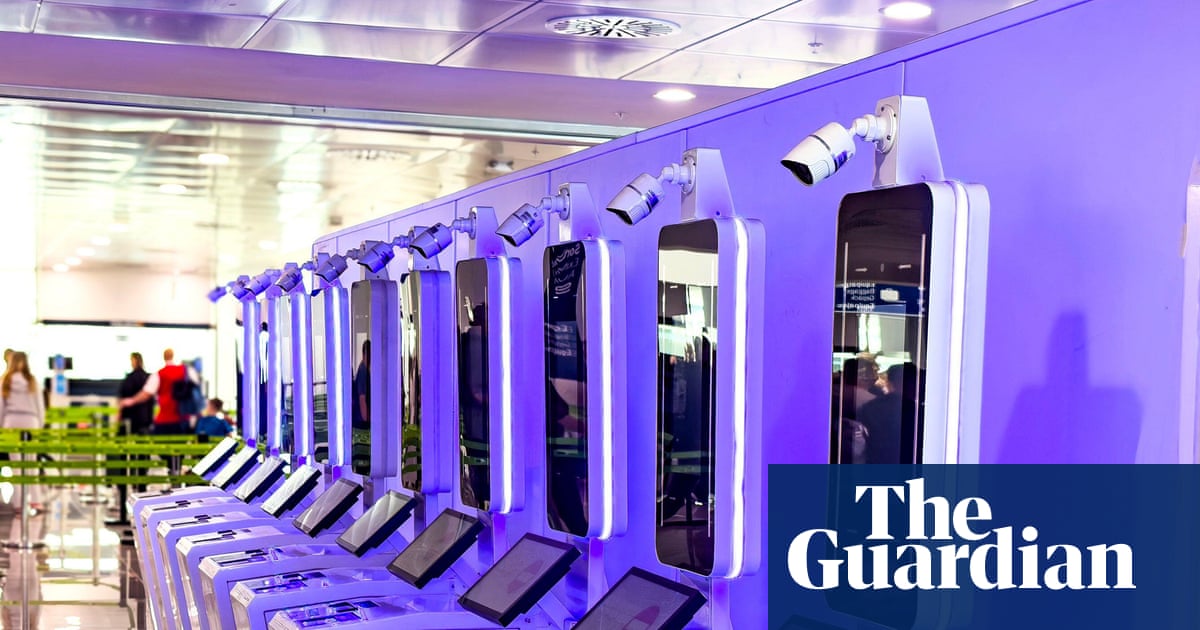
Britons travelling to Europe have told not to apply for an Etias visa waiver, with more than 150 websites touting the service despite its introduction being delayed. Non-EU citizens, including UK travellers and those from other visa-exempt countries including the US, Australia and Canada, will soon need to pay €20 (£17) for an electronic waiver to enter the Schengen zone under the European travel information and authorisation system (Etias). The system was scheduled to be come into effect soon after the rollout of the EU’s parallel border scheme, the entry-exit system (EES).
Both, however, have been repeatedly postponed, and the persistent problems after the introduction of EES, including the software at French entry points, have meant Etias remains suspended. The director of public affairs at the travel association Abta, Luke Petherbridge, said: “While Etias was due to come into force this year, it is now back on hold. Abta believes it shouldn’t be brought in until EES is fully operational and working properly.
The price to apply has risen from €7 to €20 – over-70s and under-18s do not need to pay – but no date has been set for launch. The pan-European border agency, Frontex, warned about the existence of scam websites long before Etias was to have been introduced. Commercial sites can legitimately apply for the waivers on behalf of clients, but the agency said the risk posed by third parties ranged from data protection and identity theft to extortionate fees.
It found that some unofficial websites were also providing inaccurate information over who needed an Etias while mimicking the layout of the official website and using convincing domain names. That flexibility has meant the worst fears of the travel industry have largely been avoided this summer. Abta surveys found only 46% of visitors to Europe reporting having full checks, with half of those people waiting less than 30 minutes, and only 13% queuing for an hour.
Extract — continue reading at the source.