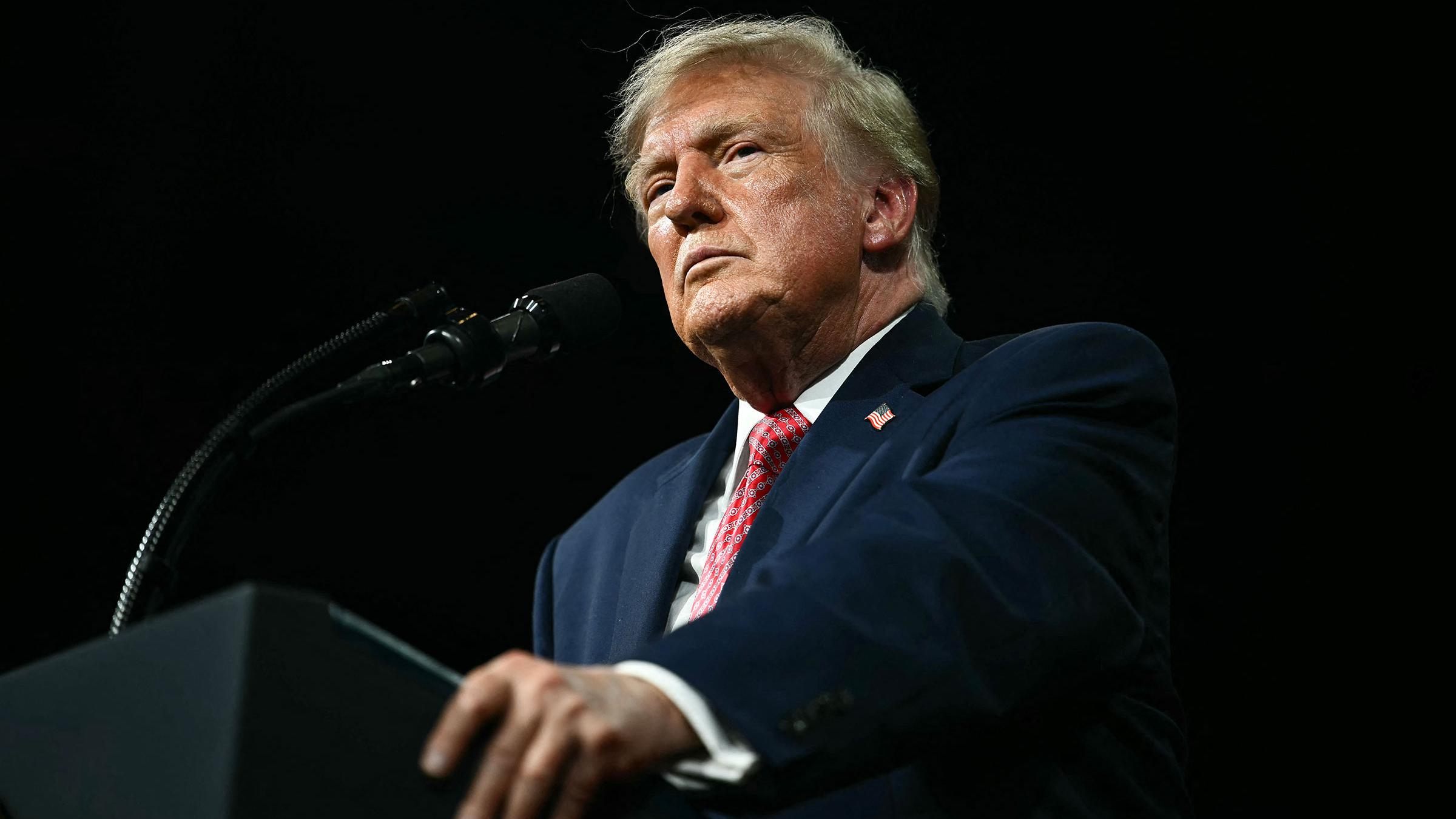
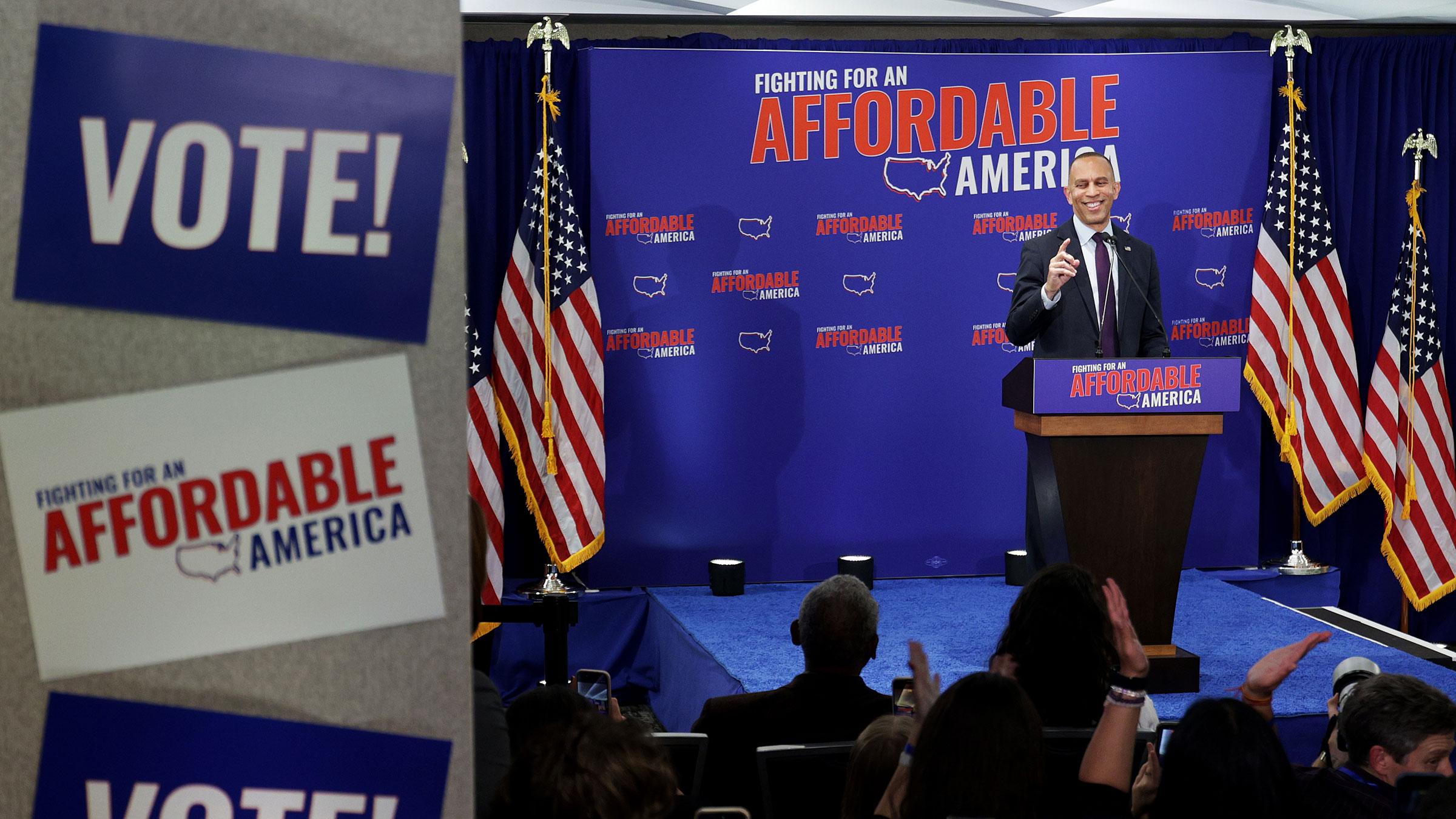
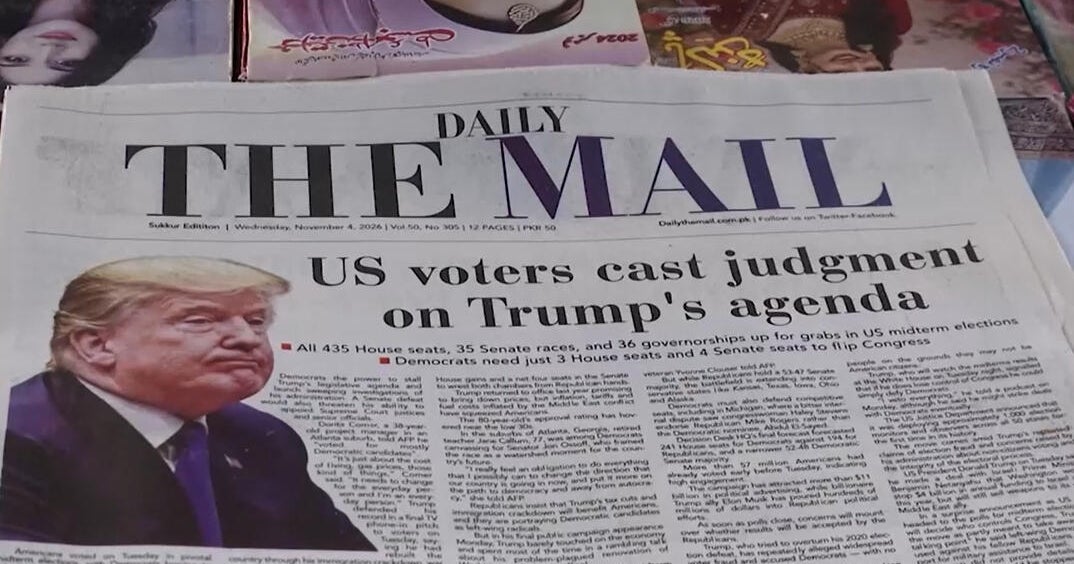
Democrats have taken control of the United States House of Representatives and Senate in Tuesday’s midterm elections in a scathing defeat for US President Donald Trump’s Republican Party. The Congress that will convene in early January will be radically different from the first two years of Trump’s second presidential term, which saw Republicans holding majorities in both chambers. While Democrats will have greater power to scrutinise Trump’s policies and obstruct any legislation they oppose, there is still a lot a president can do without congressional approval.
Here is a look at some pressing political issues and how a Democratic majority in both chambers might affect them: Trump has acknowledged the role the war on Iran has played in Republican losses in the midterm elections. Frustration among voters about inflation, and the rising cost of fuel and groceries have been among the main factors behind their rebuke to Republicans. Democrats tapped into this by campaigning heavily on affordability and domestic spending.
Trump embarked on the war on Iran with Israel in February without congressional authorisation. He could still order attacks, but he could also face constraints from the new Congress. Lawmakers could use their power to deny additional funding when the current government-funding bill expires on December 11, presenting a critical budget constraint on Trump’s military decisions.
However, James Boys, research fellow at the Centre on US Politics at University College London, said that while Congress may wish to cut off funding, it may not be straightforward. Analysts also said the War Powers Resolution is unlikely to succeed in reining Trump in. Previous attempts to use the 1973 federal law have been defeated or rendered ineffective.
The War Powers Resolution states that a president can repel an imminent attack, but military actions must end within 60 days unless Congress declares war. The president can then issue a veto, which can only be overcome by a two-thirds supermajority in both the House and Senate. The projected breakdown of the newly elected Congress shows that Democrats are well short of those supermajority thresholds.
Scott Lucas, professor of international politics at the UCD Clinton Institute in Dublin, Ireland, said that while Congress is constrained without a two-thirds majority, what it could do is propose legislation by “working with some Republicans who might distance themselves from Trump” after the resounding declaration of dissatisfaction voters have given the president in these midterm elections. For example, he said, “JD Vance, the vice president, opposed the war and has done so from the start.” Last week, Vance sent a letter to Iran’s security chief in a reported effort to revive talks and avert further attacks. However, Boys said the fact that Trump no longer faces election himself because the US Constitution requires him to leave office at the end of his second term may make the president instead feel that “he is now unleashed to act with impunity on the world stage”.
Extract — continue reading at the source.