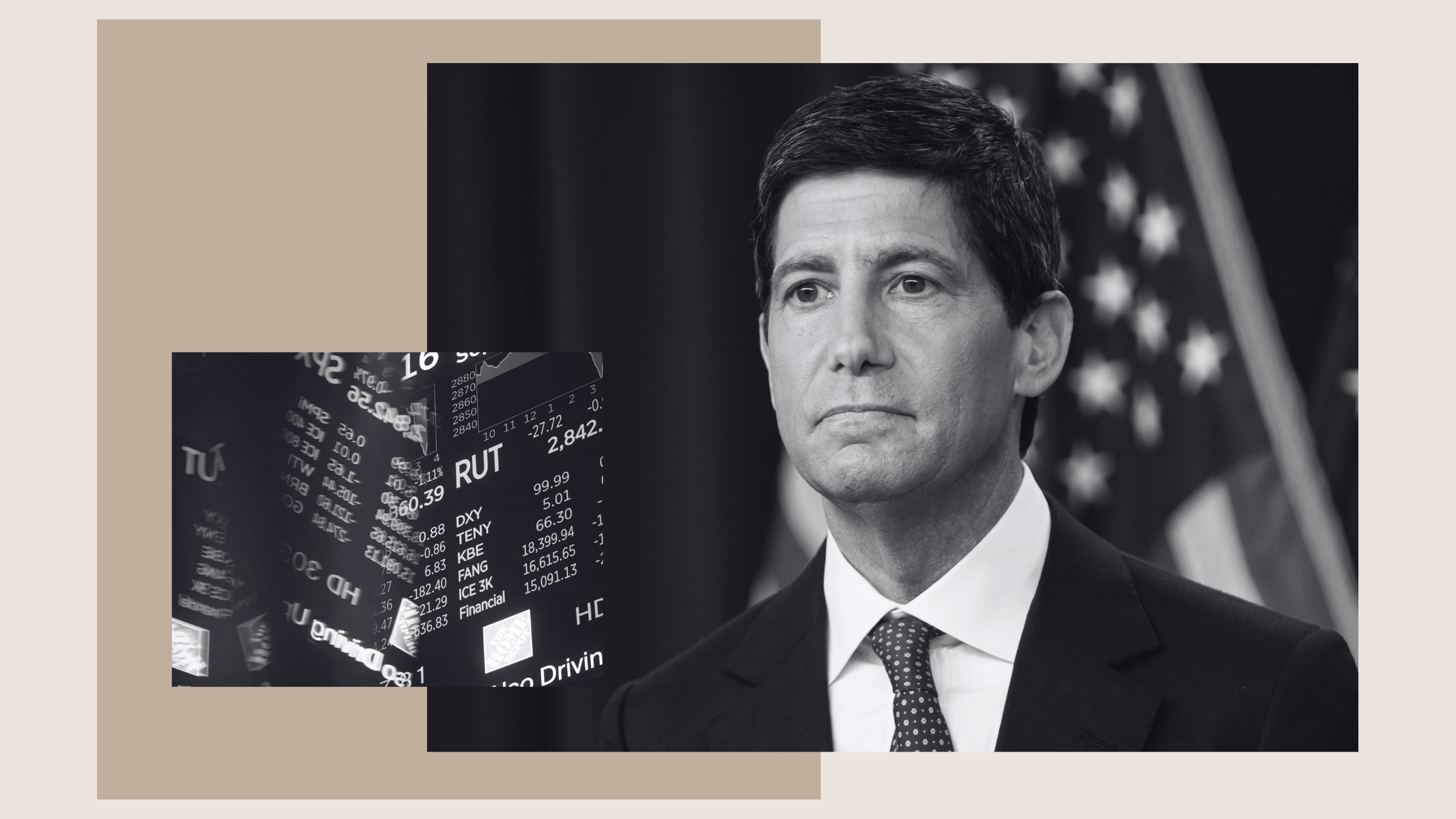
On Sept. 15 and 16, Federal Reserve Chair Kevin Warsh presided over his third Federal Open Market Committee (FOMC) meeting, the body responsible for setting the interest rates that shape the American economy. With August jobs numbers coming in stronger than analysts expected, the Fed unanimously decided to raise interest rates by a quarter percentage point for the first time since 2023. Its new benchmark interest rate sits at a target range of 3.75% to 4%, and markets are expecting at least one additional interest rate hike by the end of the year.
That decision unfolded against a striking backdrop: inflation has run above the Fed's 2% target for more than five and a half years. Few economists disagreed with Warsh’s determination and the Fed’s decision—but President Donald Trump did. Trump quickly critiqued the committee’s undivided vote to raise rates via social media.
And upon landing in North Carolina for a campaign rally, the president told reporters he blamed Warsh’s Board of Governors for the decision. They’re doing the wrong thing. They’re a bunch of politicians.” Warsh took the helm of the more than century-old institution earlier this year and has moved quickly to put his stamp on it, launching five task forces within his first month, each charged with developing recommendations across a different area of the Fed's mandate.
How far he can take that reform agenda will depend on his ability to build coalitions among fellow board and FOMC members and to hold the confidence of financial markets. At the press conference following his first FOMC meeting in June, Warsh announced several initiatives covering the Fed's communications strategy, balance sheet, data sources, productivity and jobs, and inflation framework. Each is led by three outside experts drawn from academia and industry.
The groups are expected to deliver preliminary findings this fall, with most wrapping up by year's end. The pace and ambition of the efforts signal that Warsh is serious. Whether it proves truly transformative remains an open question.
Of his five reform areas, communication has drawn the most attention, and Warsh moved on it before the task force even convened. He stopped offering long-term projections on Fed policy actions and simplified its press releases, signaling a clear break from recent practice. At the heart of this shift is Warsh's belief that markets have grown too dependent on Fed communication, paying more attention to what officials say than to the underlying economic data.
Extract — continue reading at the source.