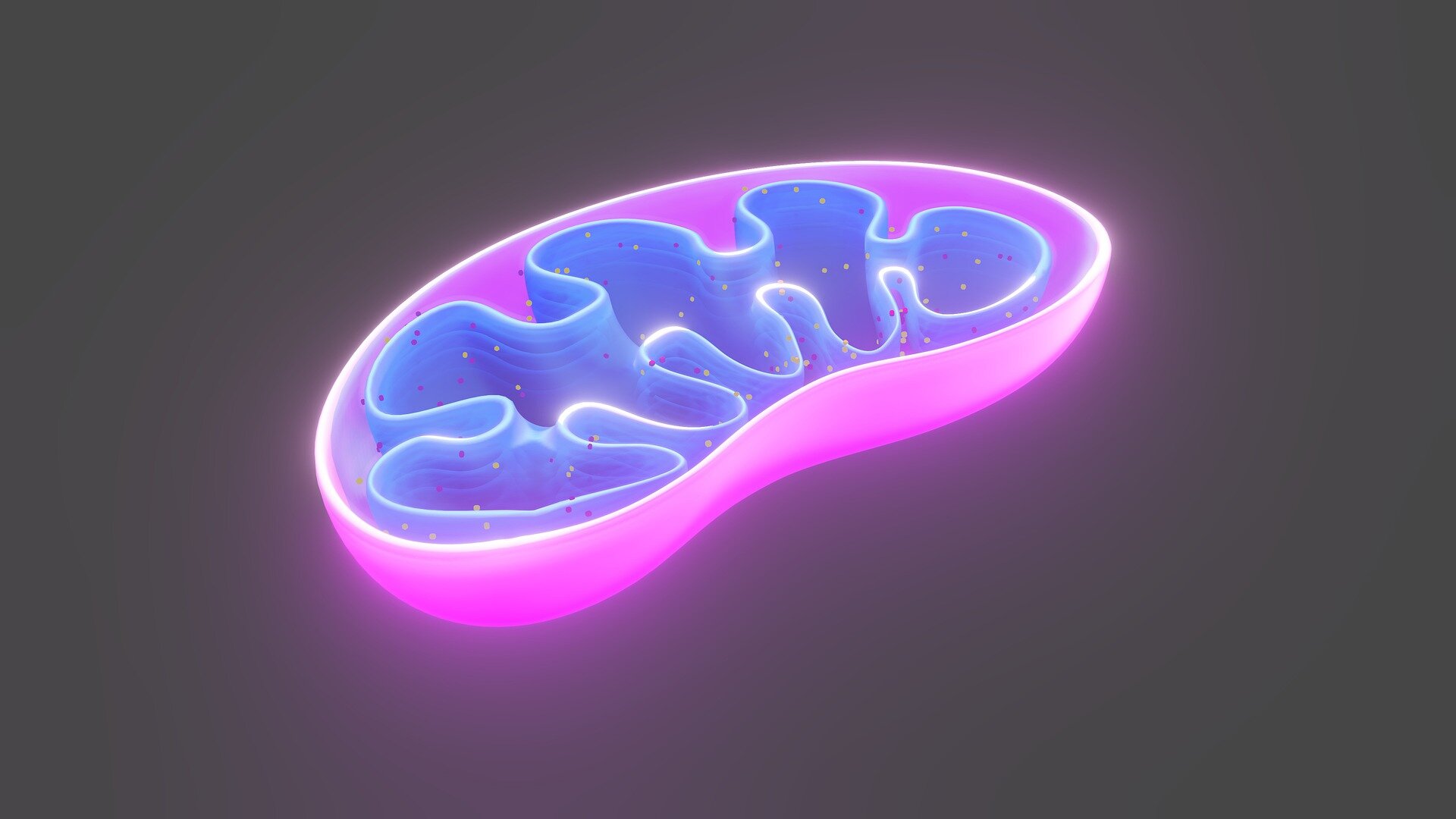
This article has been reviewed according to Science X's editorial process and policies. Editors have highlighted the following attributes while ensuring the content's credibility: A research consortium has generated the broadest look yet at the proteins that make up mitochondria, capturing the organelle's diversity across multiple branches on the tree of complex life. With major contributions from Broad Institute scientists and its Proteomics Platform, the consortium generated and analyzed the mitochondrial proteomes of one plant and five single-celled pathogens that affect millions of people globally every year.
Their results reveal unexpected functions of the organelle, clues to its origin and role in the evolution of complex-celled organisms known as eukaryotes, and potential new drug targets for neglected tropical diseases. The MitoCarta Tree of Life project was led by scientists at the Broad Institute, Mass General Brigham, Harvard Medical School (HMS), Harvard T.H. Chan School of Public Health, and Boston University Henry M.
Goldman School of Dental Medicine. Their findings appear in nine scientific papers and a commentary article in Cell and related journals. "With this consortium, we've repurposed everything we've learned over the last 15 years characterizing the mammalian mitoproteome to rapidly and diligently build out these inventories, creating a foundational resource for a new field of comparative mitochondrial biology," said project leader Vamsi Mootha, an institute member at the Broad, professor of systems biology at HMS, investigator in the Department of Molecular Biology at Mass General Brigham, and Howard Hughes Medical Institute (HHMI) investigator.
It's been 2 billion years since an ancient host cell engulfed a bacterium that later became the mitochondrion, the producer of chemical energy for eukaryotic cells. Most of the bacterial DNA ended up in the host cell's nuclear genome, with a fraction remaining as a tiny mitochondrial genome. As single-celled and multicellular organisms evolved, the organelle's composition and function shifted to suit the needs of each organism.
In 2008, a Broad-led team announced MitoCarta, the first comprehensive inventory of the 1,100 proteins in mammalian mitochondria. It was later used to discover genes underlying illnesses such as metabolic disease and neurodegeneration. Yet the researchers knew they could learn even more about the organelle by comparing it across different forms of life and exploring not only its origins, but also how it might be targeted in pathogens to treat infections.
In 2022, Mootha and his colleagues built a consortium of seven labs consisting of 25 researchers to produce mitoproteomes of organisms spanning the tree of life, focusing on the model plant Arabidopsis and five parasites that cause human disease. The researchers worked with the Broad Institute's newest advanced mass spectrometry technologies to help determine which nuclear genes encode proteins that end up in each organism's mitochondria. "The speed and scale of this project would not have been possible without the platform's expertise in state-of-the-art, next-generation proteomic technology," said Namrata Udeshi, senior director of proteomics at the Broad, where she is an institute scientist, and one of the principal investigators in the consortium.
Extract — continue reading at the source.


