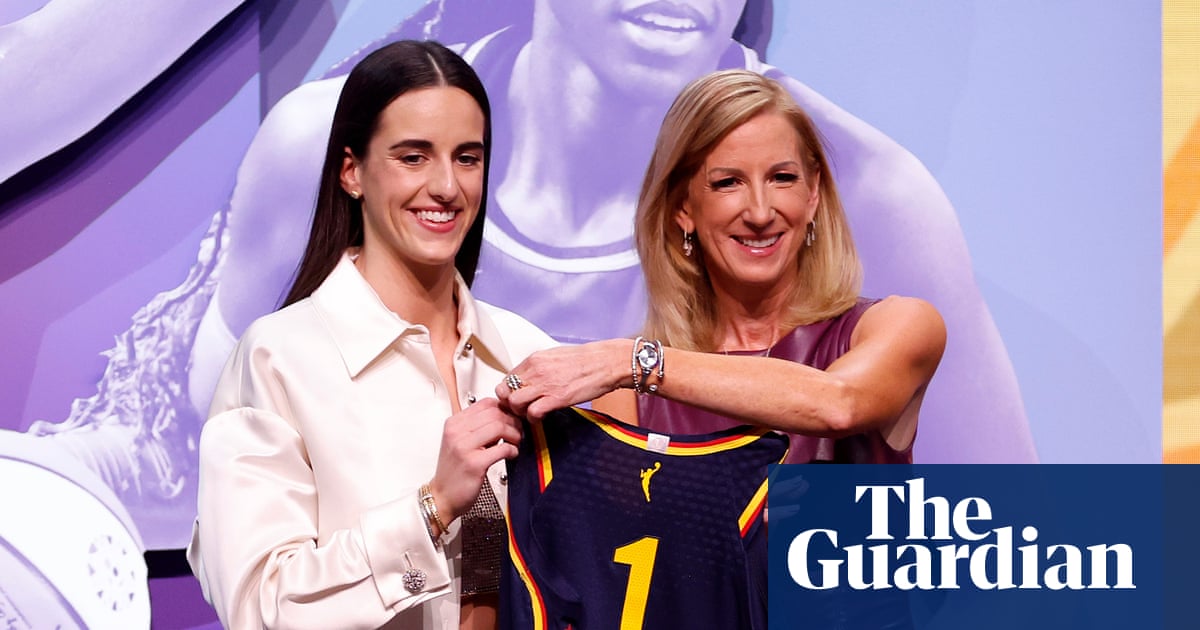
WNBA commissioner Cathy Engelbert will retire from the role on 31 December, bringing an end to a tenure that began with her appointment as the league’s first commissioner in 2019. Over the years, it has been amazing to watch WNBA players thrive and lead the massive cultural surge around women’s sports.” Engelbert has not always been popular with players or fans. Her tenure has featured landmark successes as well as bruising controversies.
Here is a look at some of the defining moments of her seven years leading the WNBA. Engelbert was thrust into the fire almost immediately when the Covid-19 pandemic threatened her first season in charge. She helped oversee the creation of the “Wubble” at IMG Academy in Florida, allowing the league to stage a shortened 22-game season in 2020.
The regular-season schedule has since expanded to 44 games and will grow to 50 in 2027. Engelbert has presided over the WNBA during a period of historic growth, with sharp increases in television audiences, attendance, sponsorship revenue and merchandise sales. It would be nonsensical to deny that her tenure produced enormous results.
Engelbert also led the WNBA through a huge expansion from 12 teams to 18 by 2030. The Golden State Valkyries joined the league for the 2025 season, while this year saw the addition of both the Portland Fire and the Toronto Tempo. Teams from Cleveland, Detroit and Philadelphia will join by the decade’s end.
But there are two key achievements that will probably come to define Engelbert’s time as commissioner: the league’s landmark $3.1bn media rights deal and the unprecedented collective bargaining agreement (CBA) struck between the league and the players, both of which were negotiated this year. That 11-year media rights deal resulted in an astronomical increase to the league’s annual revenue – to the tune of $281m – and includes partners Amazon, Disney and NBC. The deal also resulted in more than 200 games being streamed or aired live this season (out of 330 total regular-season games).
The CBA negotiations between the WNBA and the Women’s National Basketball Players’ Association dominated most of the league’s coverage ahead of the 2026 season. The two parties reached a verbal agreement in March and ratified the deal a week later after months of often-contentious negotiations. Though Engelbert was on the receiving end of much of the scrutiny that accompanied those negotiations, she maintained the end result was worth it.
Extract — continue reading at the source.