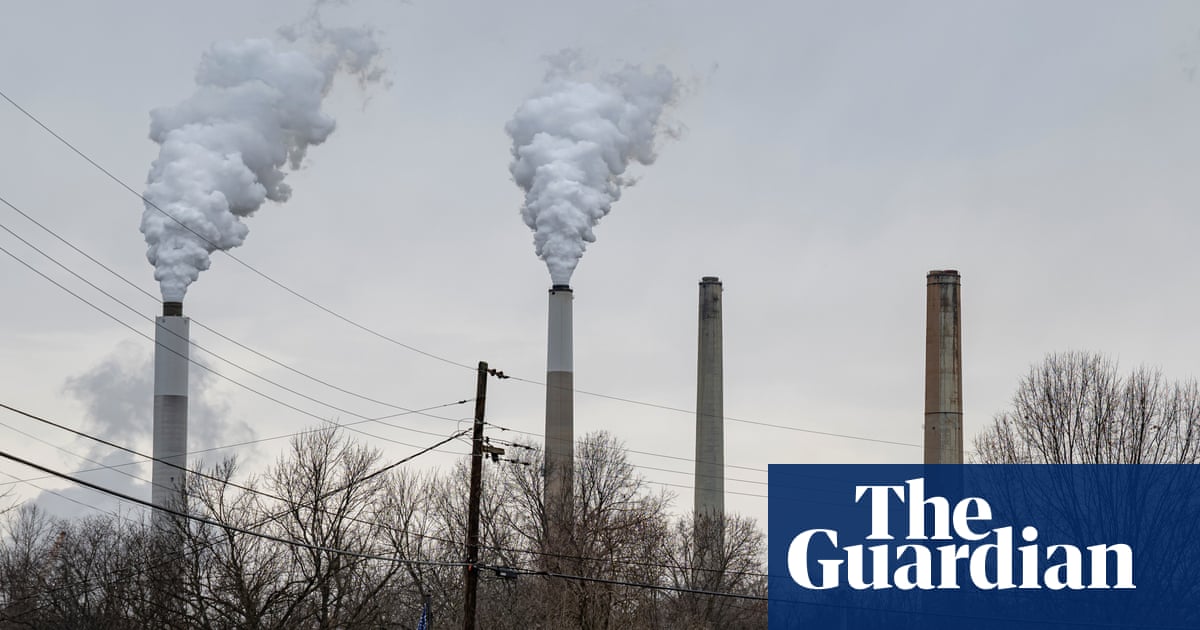
As the US’s network for monitoring air pollution deteriorates, a Floodlight investigation has found that the chemical industry is going state-to-state to restrict one of the few options citizens have left for holding polluters accountable: low-cost air sensors. Over the past two years, the non-profit investigative newsroom determined, lawmakers in Louisiana, Kentucky and Ohio have passed strikingly similar laws barring regulators from acting on air-quality data that communities collect themselves – unless it comes from Environmental Protection Agency (EPA)-approved equipment that typically costs tens of thousands of dollars. Similar legislation has repeatedly been introduced in West Virginia.
In case after case, industry has made the same argument: community monitoring is not reliable enough for regulatory enforcement. Yet when lawmakers in West Virginia offered a version of a bill that would have let regulators consider community data if it met manufacturer requirements, industry refused to back it. The bill “essentially codifies what we are trying to prevent”, wrote Jeff Fritz, an official with the chemical giant Chemours, in an internal email.
Bill Bissett of the West Virginia Manufacturers Association wrote that the compromise “neuters” the measure and left it “toothless”. That bill died, along with versions in 2025 and 2026. Ohio slipped its monitor restriction into a budget bill last year, prompting a lawsuit from a group of plaintiffs including Donna Ballinger.
Ballinger has a low-cost monitor in her front yard in Middletown, Ohio, a few hundred feet from a steel plant that she says frequently sends black, white and gray particles on to her property. Fumes sometimes burn her eyes and throat, she said, and she often holds her nose when walking between her house and car. The lawsuit she helped file alleges that the new rules make her monitor’s readings useless as evidence.
People have turned to low-cost sensors at a time when the public network they used to rely on is thinning out. Federal grants supporting that network have fallen more than 35% over the past two decades, adjusted for inflation, and the number of government air monitors nationwide has fallen by nearly half over the same period, according to data. Today, nearly six in 10 US counties have no public air monitor at all, according to a 2025 study.
And what remains is showing its age. Leaks, termites and ants plague monitoring stations in one state while officials in another have resorted to shopping on eBay for discontinued parts, according to a 2020 congressional watchdog report. The report doesn’t specify to which states it is referring.
Extract — continue reading at the source.