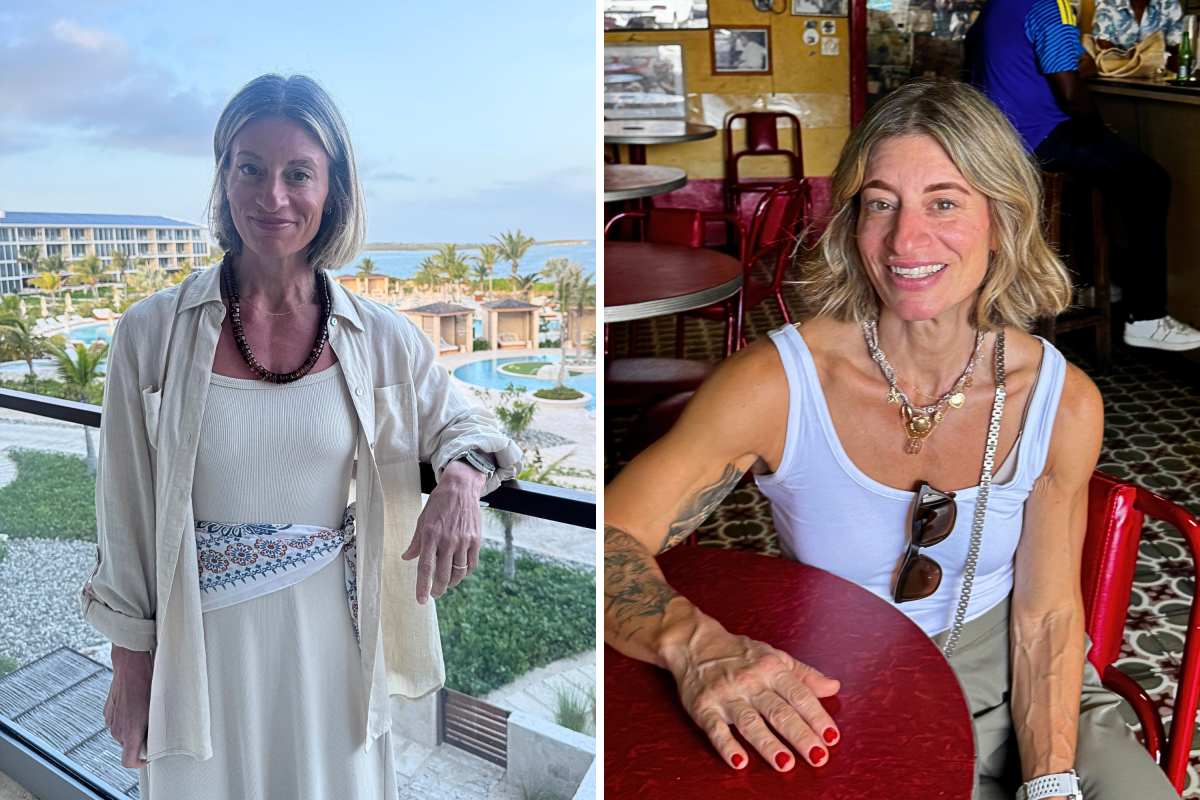
Tina, 51, lives in New York and has spent years fielding the same question, asked in the same faintly accusatory tone, "Don't you want kids?" Her slightly younger husband, meanwhile, has spent those years watching colleagues assume that his child-free status is only temporary—a phase soon to be corrected by his wife's supposedly inevitable change of heart. When he tells them his wife is in her 50s and they will not be having children, the men in his office fall silent. "The men at his job are constantly complaining about their kids and ask him, 'Do you have kids?'" Tina, who prefers not to use her surname, told Newsweek.
"And he's like, 'No, we don't have kids.' And they're like: 'Oh, just wait, your wife is going to bug you. She's going to want a family,' and then he tells them ... And they look at him in shock and awe, utterly speechless." The office exchange, small as it is, captures something larger playing out across American life.
A record number of women are now living without children, according to research from the University of New Hampshire. In 2024, there were 5.7 million more childless women of "prime childbearing age" than historical patterns would have predicted, up sharply from 2.1 million in 2016 and 4.7 million in 2022. Of the 44.2 million American women between 20 and 39, 23.1 million—or 52 percent—had not yet given birth.
Researchers say the increase has been steepest among women under 30. But even as the child-free population climbs year after year, in several countries, the societal stigma and discomfort surrounding the choice—particularly for women—has proved far slower to shift. Tina, who works in the magazine industry, has become something of an unofficial spokesperson for that discomfort.
On TikTok, where she posts under the handle @tinadmartinez, she has built a following among women who say they have long felt unseen for choosing a life without children, and who are, increasingly, finding one another online. "For a long time, I too felt unseen as a woman who didn't have children and chose a different path," Tina said. "There were times when it almost felt like I couldn't be considered a 'great' woman because I wasn't a mother, as though motherhood was somehow the thing that gave a woman her value." That community, she said, has become a source of validation rarely offered elsewhere.
"Finding this community has made me realize how many other women have felt the same way, and there's something incredibly positive about being able to say to one another, 'We are good enough, we are worthy, and our lives are meaningful and fulfilling, too.'" She is careful to draw a distinction, however, between her own choice and any judgment of parents. "I would never discount the incredibly hard work that parents do day in and day out, and that's not what this conversation is about. It's about not making women who don't have children feel 'othered.'" Tina traces the stigma around childlessness to a script most people absorb while young.
Extract — continue reading at the source.