This article has been reviewed according to Science X's editorial process and policies. Editors have highlighted the following attributes while ensuring the content's credibility: A child born in Europe in 2025 will live through more than three additional years of extreme fire weather compared with someone born in 1950 if we continue with current climate policies, according to new research published in the journal Environmental Research Letters. That's an 84% increase for today's babies compared with their grandparents.
The vast majority (86%) of this increase is due to climate change rather than increased longevity. The largest increases are projected in the Mediterranean. In this region, already hard-hit by wildfires, people born in 2025 are projected to face up to 2.5 times the exposure to extreme fire weather of those born in 1950, corresponding to more than five additional years of extreme fire weather over their lifetime.
That's for a scenario in which climate change reaches 2.6°C by 2100, as predicted based on current climate policies. Rapidly cutting the use of fossil fuels would reduce exposure to dangerous fire weather in all regions, decreasing lifetime exposure for those born in 2025 by 1.3 years on average in Europe and more than two years for the most affected regions in southern Europe. Fire weather is already a rapidly growing problem in Europe.
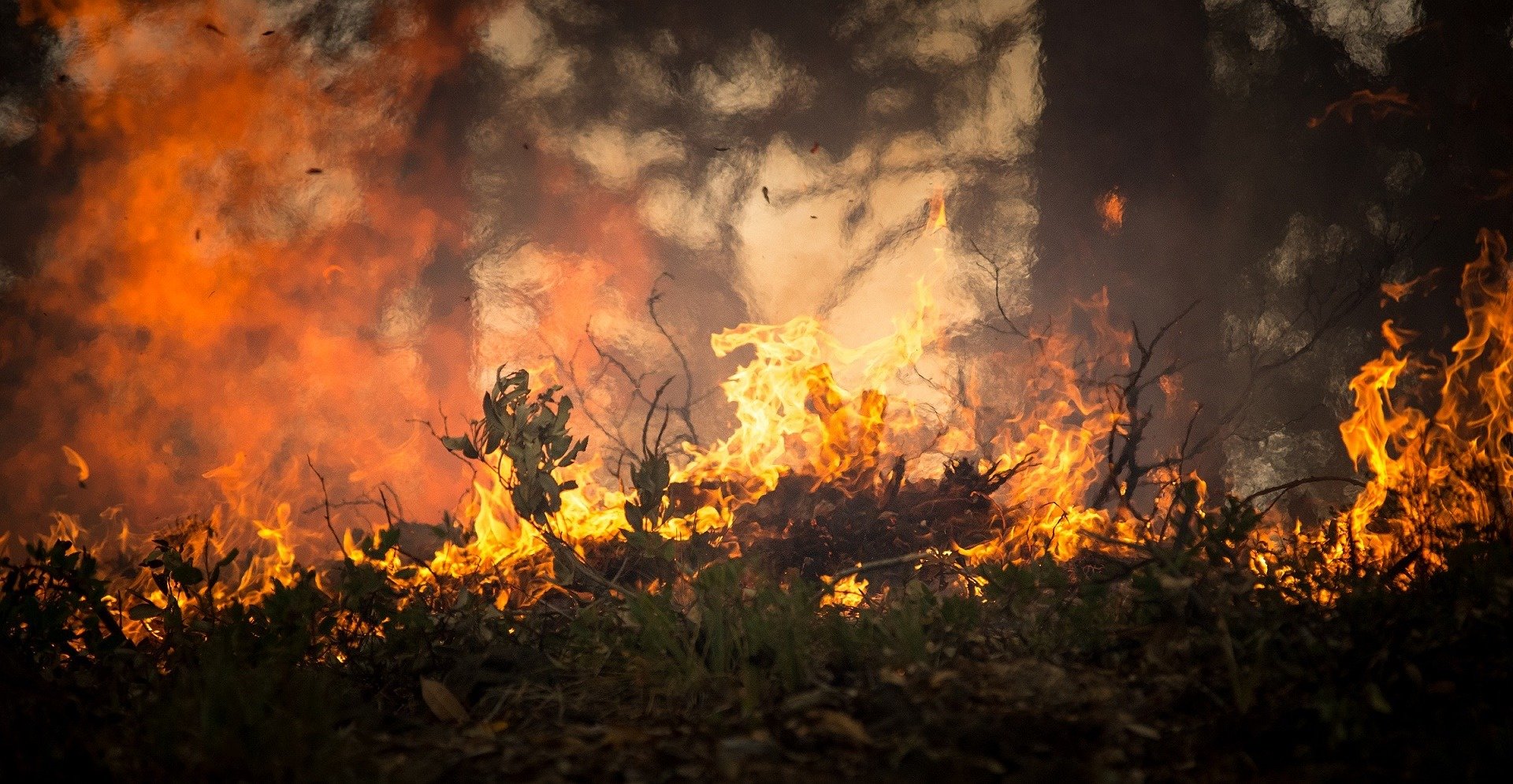
In 2025, fires burned through the largest area ever recorded in Europe (more than 1 million hectares, or 2.5 million acres), with Spain and Portugal worst affected. This year, fires have already had devastating impacts in France, Spain and Belgium, driven in large part by repeated heat waves since the beginning of the summer that studies show would have been virtually impossible without climate change. Portugal is the European country that has seen the highest proportion of its area burned in recent decades.
In 2020, after living through devastating wildfires and intense heat waves, six Portuguese youths filed a complaint with the European Court of Human Rights against European countries for failing to take sufficient action on climate change. This study finds that: Other European countries are also projected to witness high increases in lifetime exposure. Fire weather refers to the hot, dry and windy conditions that make fires more likely to ignite, spread faster and become harder to suppress.
Climate change, driven primarily by the burning of fossil fuels, is making these conditions more frequent and severe—pushing fire risk into seasons and regions rarely exposed before and threatening lives, homes and nature. The study highlights a growing intergenerational injustice. Young people, who have contributed least to historical greenhouse gas emissions, are set to bear a disproportionate share of future fire hazard while also being asked to shoulder much of the responsibility for cutting emissions.
Extract — continue reading at the source.