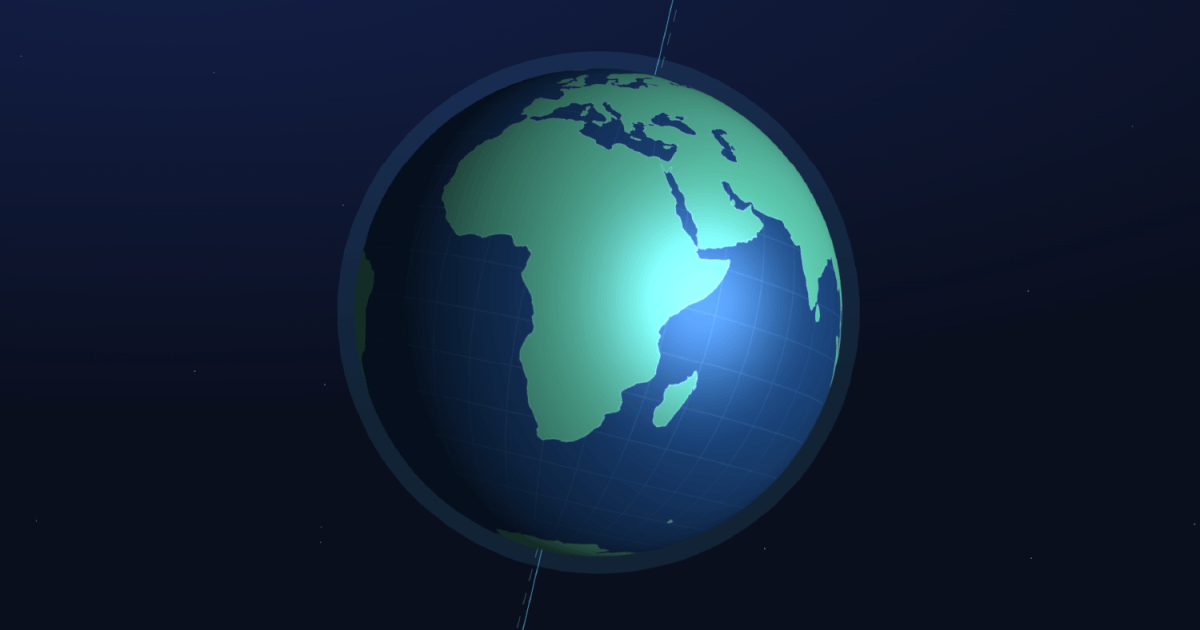
The world’s timekeepers are meeting on Thursday near Paris to decide whether to scrap the “leap second”, which could disconnect the clocks we use from the Earth’s rotation and realign timescales. The world’s clocks are designed on the idea that the Earth completes one rotation on its axis in exactly 24 hours. But it actually wobbles, making the time the Earth takes to rotate less exact.
And over time, the Earth’s rotation is gradually slowing. To compensate for that, since 1972, timekeepers have added a leap second every few years – the last one was added in 2016 – to keep clocks and Earth’s rotation in synchronisation. But pressure has been mounting to scrap the leap second since it complicates matters for financial markets and data centres, which rely on precise timing down to milliseconds.
So what is a leap second? And how might it change our understanding of time? Clocks work based on Coordinated Universal Time (UTC), the global standard that has been based on high-precision atomic clocks for more than seven decades.
Atomic clocks mark time by observing the vibration of atoms. But the Earth’s rotation works independently of atomic clocks. A leap second is a second added periodically to UTC to make it synchronise with the Earth’s rotation.
The first leap second was added to world clocks in 1972. There have been 27 leap seconds added so far with the previous leap second being added on December 31, 2016. No further leap seconds have been added since.
According to the National Institute of Standards and Technology (NIST), a nonregulatory federal agency of the United States Department of Commerce, leap seconds occur at the end of December or the end of June. The NIST also cites differences between the precision of the atomic second and the Earth’s rotation to explain the need for a leap second. This gradual decrease in the rotational rate is causing the duration of the mean solar second to gradually increase with respect to the atomic second,” the NIST added.
Extract — continue reading at the source.