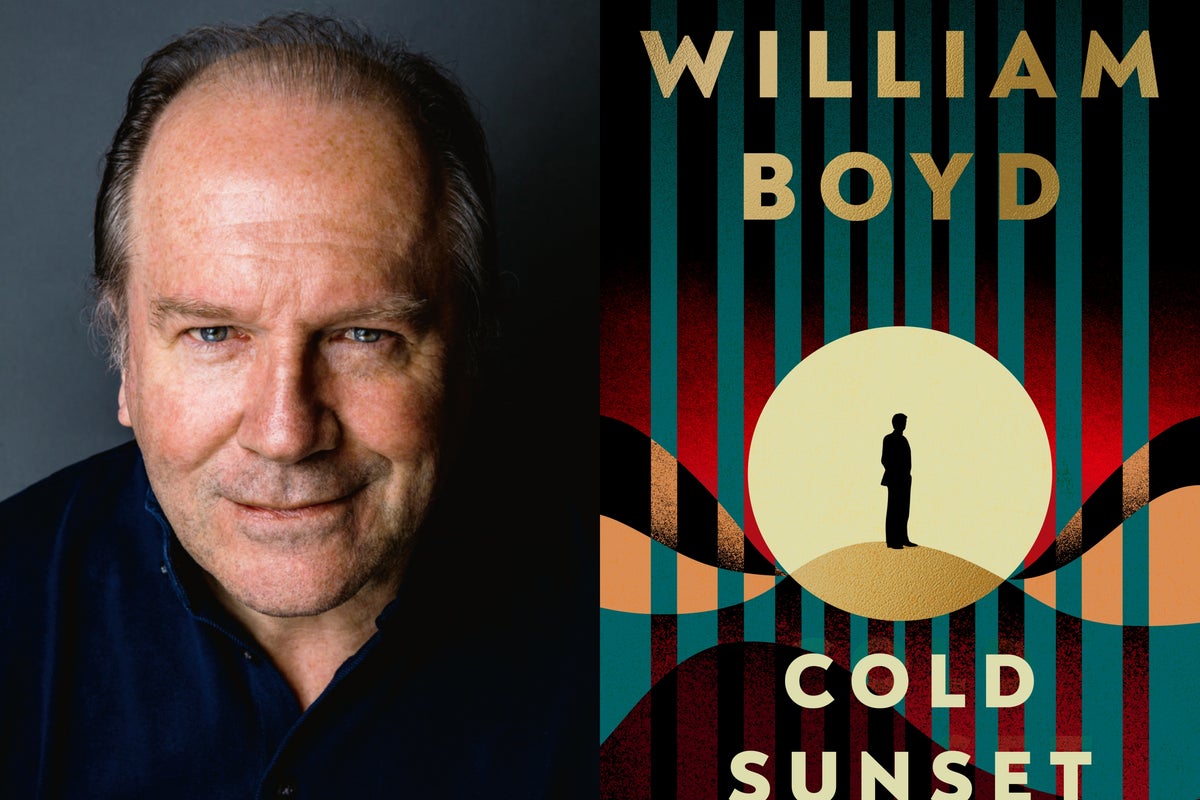
William Boyd understands one of the great paradoxes of the spy novel: that it can be morally serious and lightly entertaining at the same time. Cold Sunset, the third novel in his Gabriel Dax trilogy, finds him somewhere between Eric Ambler and Ian Fleming – Ambler in his fascination with betrayal, compromised loyalties and the corrosive absence of trust; Fleming in his relish for sex, drink, danger and the seductive suspension of ordinary moral rules. Gabriel Dax is an unlikely hero, which is precisely why he is so engaging.
He is a travel writer by profession, and travel writing is also the perfect cover for his occasional work for MI6. He is a crumpled, slightly bewildered figure who seems almost to have wandered into espionage by mistake. Yet his curiosity, powers of observation and ability to move inconspicuously through foreign places make him an unexpectedly effective spy.
The trilogy charts his gradual seduction by this shadowy world. In Gabriel’s Moon, Dax is drawn into espionage almost accidentally and meets the enigmatic MI6 officer Faith Green. In The Predicament, his relationship with Faith deepens as he is pulled further into Cold War intrigue.
Now, in Cold Sunset, he finds himself moving between the apparently benign world of California and the dangerous heart of Moscow. It is a journey from sunshine to suspicion. That movement is one of the book’s great pleasures.
California offers the relaxed surface of 1960s America – travel, hotels, drink, cigarettes and the easy glamour of the period – but beneath it lie the buried secrets of an older generation of spies. Former 1930s and wartime agents are being unmasked; old loyalties and betrayals are suddenly relevant again. The past has not disappeared.
It has simply been waiting for the present to catch up with it. And that gives the novel an unexpectedly contemporary sting. If spies who were trusted decades ago can turn out to have been double agents, then what does trust mean for the spies of today?
Extract — continue reading at the source.