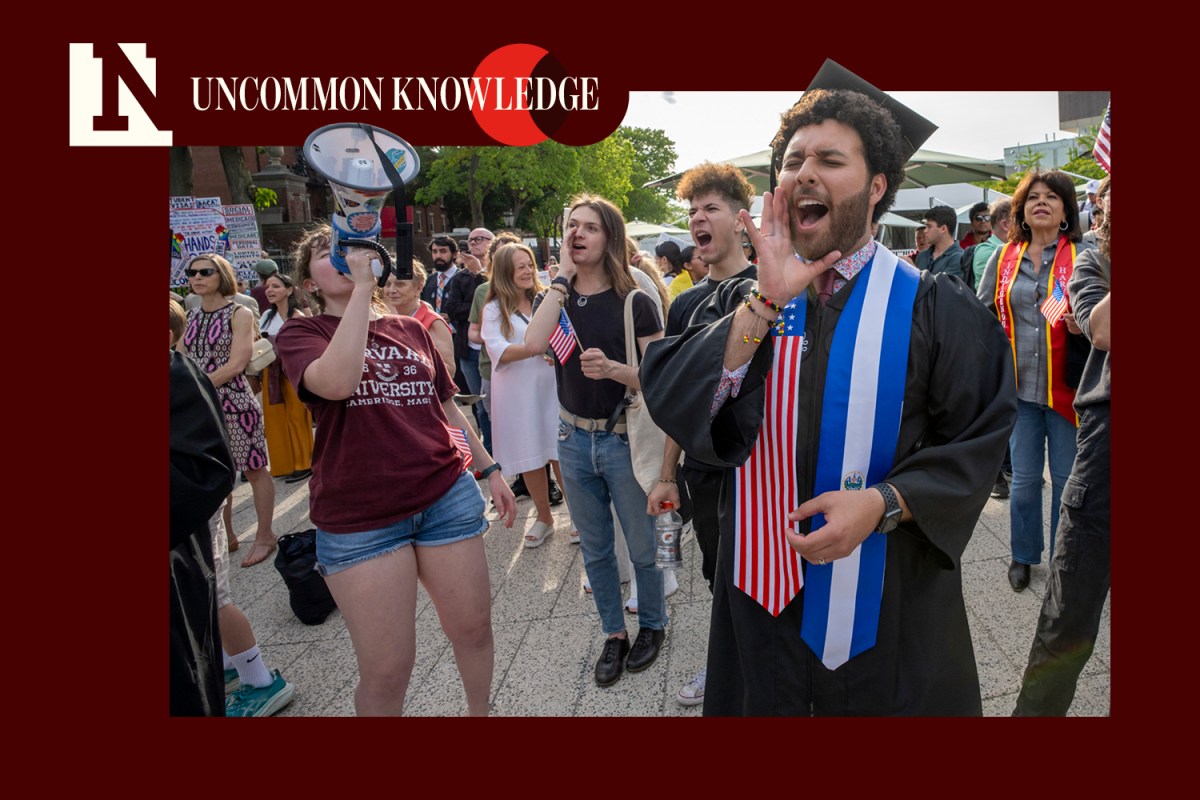
Americans are used to campus fights over DEI, pro-Palestinian protests and transgender policies. Those are the college culture wars that generate political and media outrage. Something quieter is now unfolding, but it may matter far more: a fight over the process that decides which colleges can tap federal student aid.
On August 20, the Education Department published a proposed overhaul of that process. The rules follow an executive order that President Donald Trump signed last year and that he called his "secret weapon" for reshaping higher education: accreditation. Accreditation is highly influential.
The federal government doesn't certify, on its own, that a university provides an acceptable education. Instead, private accrediting bodies do that. Washington decides which accreditors it recognizes, and only a federally recognized accreditor can perform the gatekeeping role that lets a college participate in federal student aid programs.
Undersecretary of Education Nicholas Kent has put the amount passing through that gate at approximately $130 billion a year. The new rules would make it easier for new accrediting agencies to enter the market and for colleges to switch between them. They would also change how transfer credits are treated, put more emphasis on student outcomes, and require accreditors to consider academic freedom and "intellectual diversity." That last flourish is typically Trumpian.
But it’s not that simple, because the administration and one of its fiercest Democratic critics agree on the diagnosis, just not the treatment. Kent himself has described a "broken accreditation system." Senator Elizabeth Warren's one-pager on her competing bill admits the same: "This system is broken." Her antagonist is predictable. "At a time when students are already struggling to get affordable and quality educations, Congress can't let Donald Trump weaponize the accreditation system," Warren said in a statement announcing her bill.
"We need to overhaul our accreditation system to make sure students get an education that will improve their lives, not leave them jobless and buried in debt." This means that nobody is defending the status quo. The $130 billion question is what replaces it. College culture wars usually start with a bang.
Extract — continue reading at the source.