The Taliban in Afghanistan have launched a diplomatic effort to end their isolation as major regional and international powers show a readiness to engage more closely with the repressive regime despite its systematic human rights abuses. Five years after the Taliban took power, an increasing number of countries are renewing ties or scaling up diplomatic contacts with the hardline Islamists, who seized power in Kabul in 2021 after 20 years of brutal insurgent warfare. Campaigners fear that the individual contacts by different countries risk undermining “coherent, consistent” demands for an improvement in human rights in return for any diplomatic concessions.
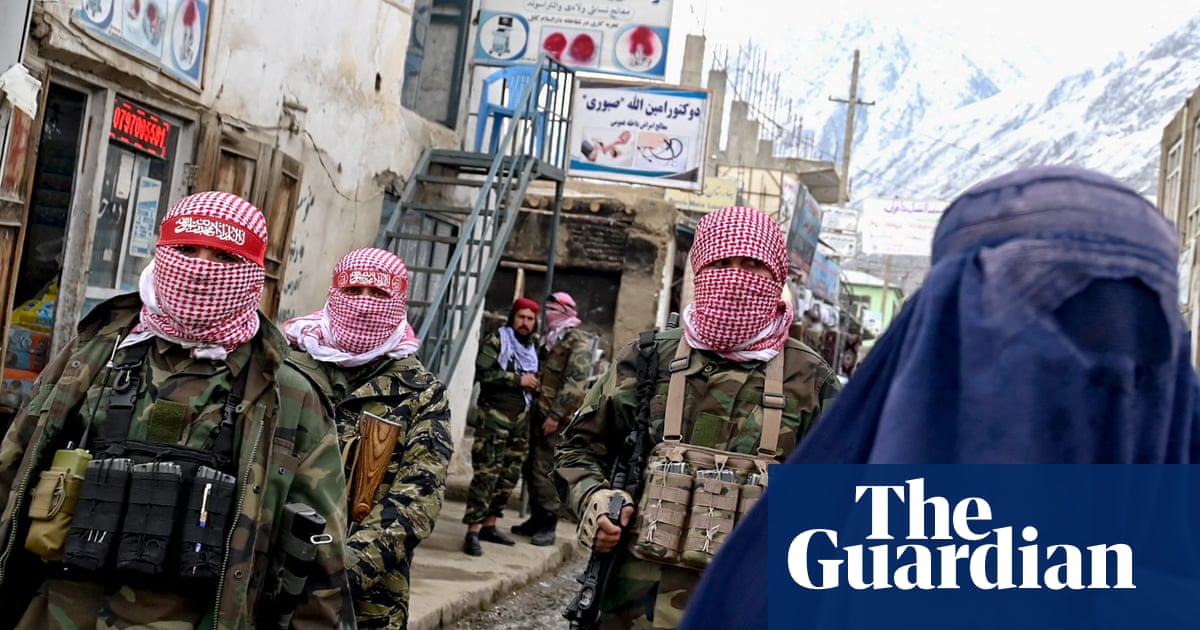
The United Nations described a recent “cascade of [Taliban] edicts and laws” that have banned women from universities and most employment, denied teenage girls education and imposed strict dress codes. Minorities have been persecuted, while activists and journalists face repression. Afghanistan has become a “graveyard for human rights,” the UN said in March.
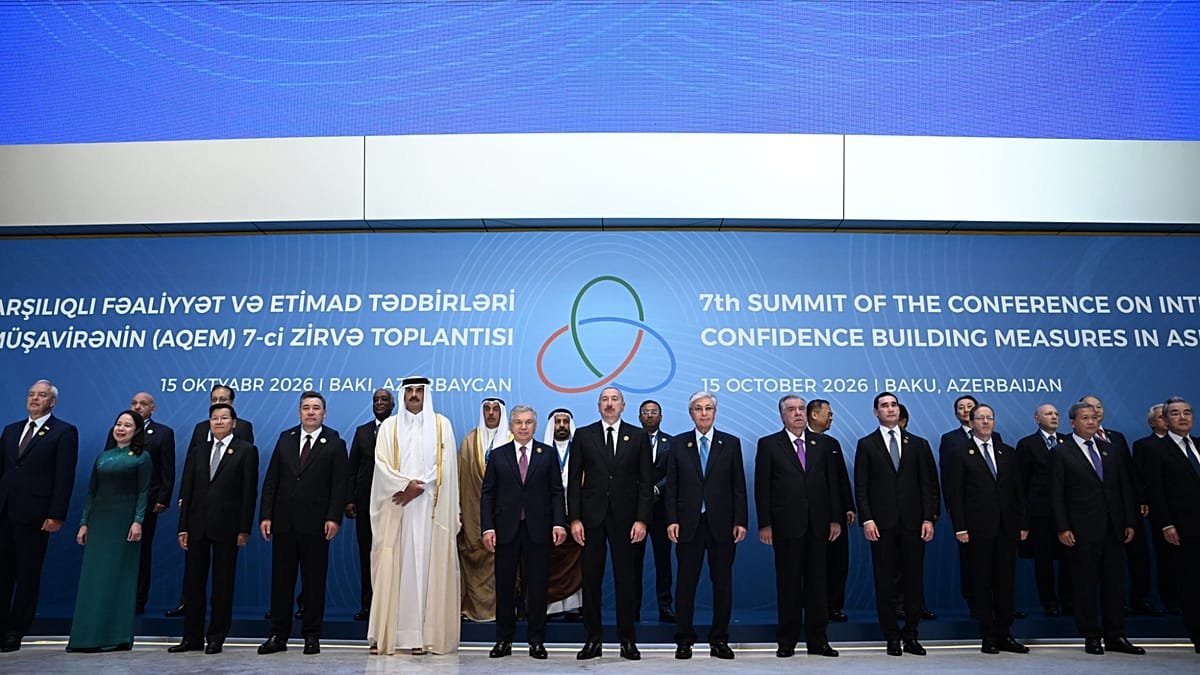
India, Qatar, China, Iran and several central Asian states all recently welcomed Taliban officials or opened new channels of communication. Russia, which recognised the Taliban government in Kabul just over a year ago, signed a military cooperation agreement last month. In June, the European Union held talks with Taliban officials in Brussels about returning failed asylum-seekers to Afghanistan.
Individual European countries have also deepened their own contacts with Kabul. The Islamic emirate is now in a confident position. They have realised they are indispensable for regional countries right now and even with Europe and the US they have identified how to engage,” said Shivam Shekhawat, at the Observer Research Foundation in Delhi.
Some western commentators have suggested more countries recognise the regime. Others want intensified “back channel” engagement. The European Commission downplayed its discussions in Brussels with a Taliban delegation, the first such formal encounter since 2021, as merely “technical” and focused on returns, but a Taliban spokesperson claimed it was a historic visit that was a step towards regularising consular relations with EU countries.
This year officials from Tajikistan, Turkmenistan, Kyrgyzstan, Uzbekistan and Kazakhstan have all visited Kabul or other Afghan cities, seeking trade routes and pipeline deals that would allow their landlocked countries access to seaports or third countries beyond. India too has moved to reinforce relationships that were frosty after the fall of Kabul to the Taliban in 2021, in part to exploit new tensions between the movement and the Islamist movement’s historic sponsors, Pakistan. New Delhi secured a sanctions waiver last year so that Amir Khan Muttaqi, the Taliban foreign minister and a veteran official who has spent decades at the heart of the movement, could travel there.
Extract — continue reading at the source.