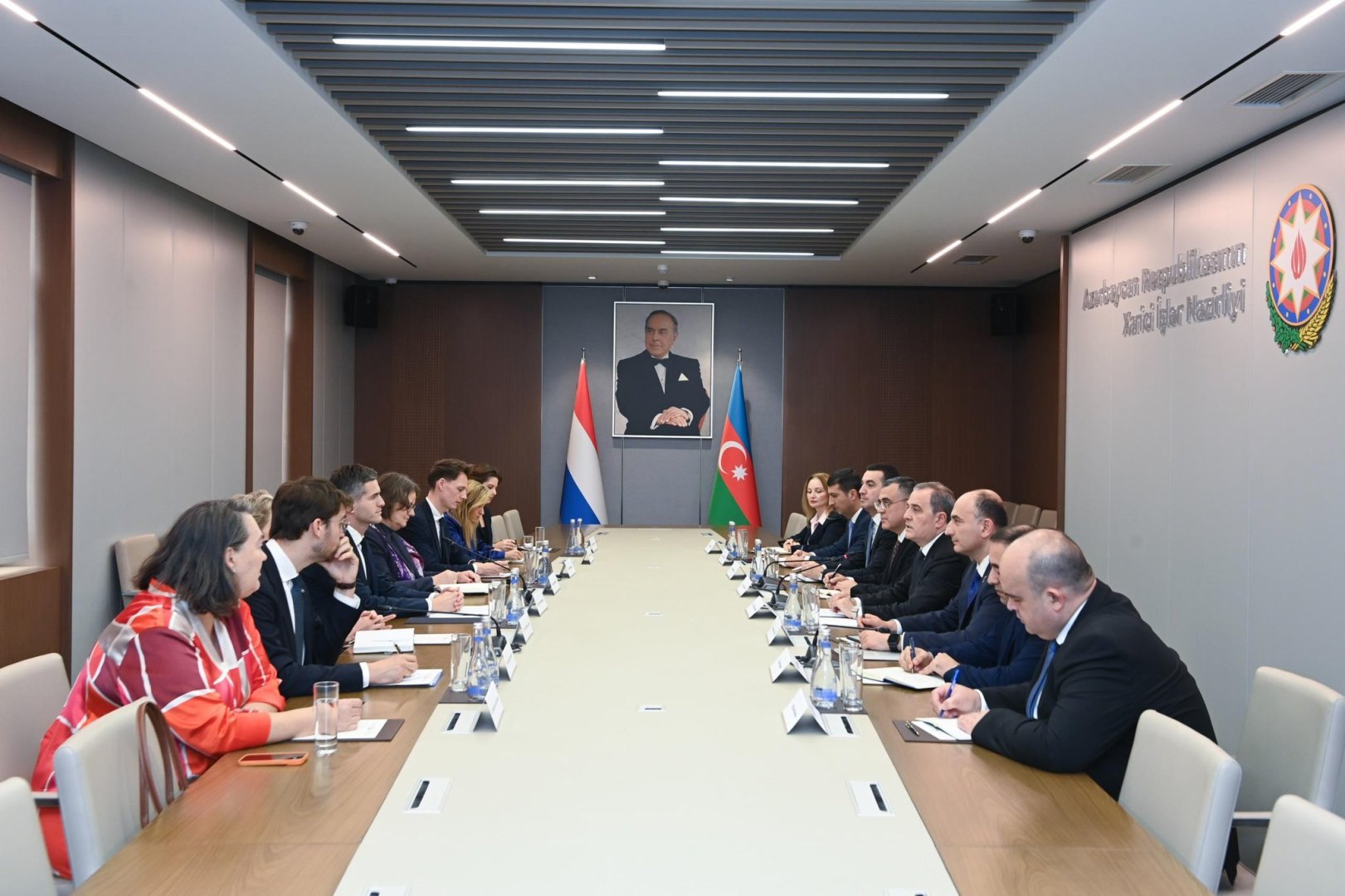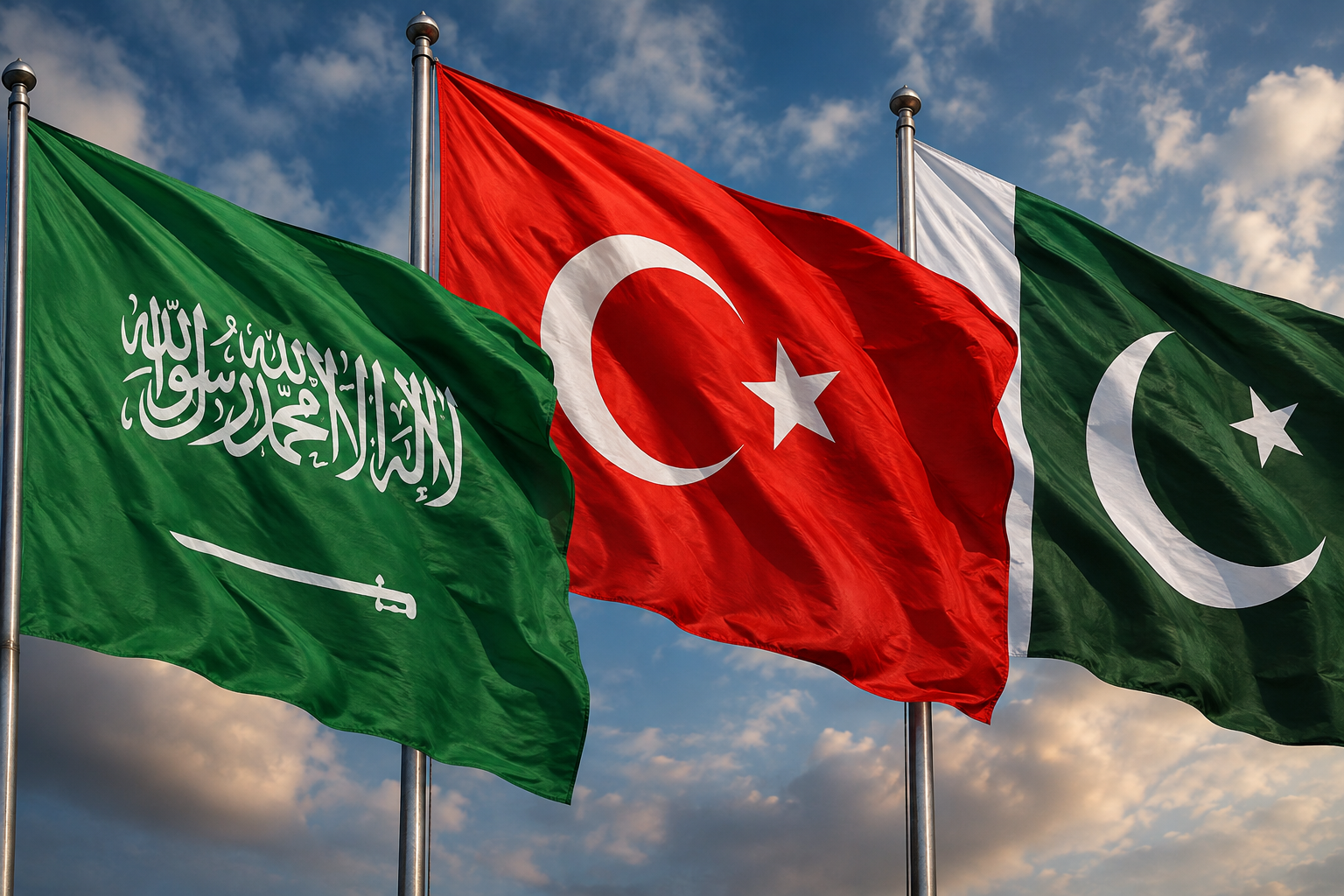
The signing of the Mecca Joint Defence Agreement by Türkiye, Saudi Arabia and Pakistan on 7 August 2026 looks like a more promising and significant development in regional security. Presented as a means of strengthening collective deterrence, the pact could deepen military cooperation, expand defence industry partnerships and give the three countries greater strategic weight. But it also raises a question that will become more important with time: how can Türkiye strengthen its security without compromising its freedom to make independent decisions when a crisis erupts?
The agreement, whose text contains 16 articles, has now been submitted to the Turkish parliament for ratification. Its provisions deserve scrutiny because the consequences of security commitments often become apparent only when governments face difficult choices. [The pact and its ratification process have been reported by and Al Jazeera.] The principle is familiar from collective defence arrangements such as NATO. Its purpose is to discourage aggression by making an adversary consider the possibility of confronting several countries rather than one.
For Türkiye, this could offer meaningful advantages. Saudi Arabia brings substantial financial resources and regional influence, Pakistan contributes extensive military experience, and Türkiye possesses a sizeable armed force and an increasingly sophisticated defence industry. Together, the three countries could expand intelligence sharing, improve military coordination and develop technologies that would be expensive or difficult to produce independently.
However, collective security is only as straightforward as the decisions required to implement it. The agreement does not explicitly require Türkiye to declare war automatically or send troops into every conflict involving another member. The nature of assistance, however, could become a source of disagreement.
What happens if Riyadh considers an incident an existential threat while Ankara believes that military escalation would make the situation worse? What if Pakistan seeks assistance during a confrontation with India, a country with which Türkiye must also consider its wider diplomatic and economic interests? These are not predictions that such crises will occur.
They are questions that any serious defence arrangement should answer before a crisis begins. In addition, Article 1 requires cooperation to safeguard the parties’ independence, sovereignty and territorial integrity, including the use of necessary means when these are threatened. Other provisions cover counterterrorism, joint military exercises, troop deployments, intelligence sharing and logistical assistance during peace, war and extraordinary circumstances.
Extract — continue reading at the source.