When Mercedes was told by her doctor that she could be prescribed GLP-1 weight loss jabs in 2024, she broke down. And I didn’t really stop crying for a week,” she said. My struggle, my burden, my shame was finally going to come to an end.” But as time went on it was hope, not weight, that fell away.
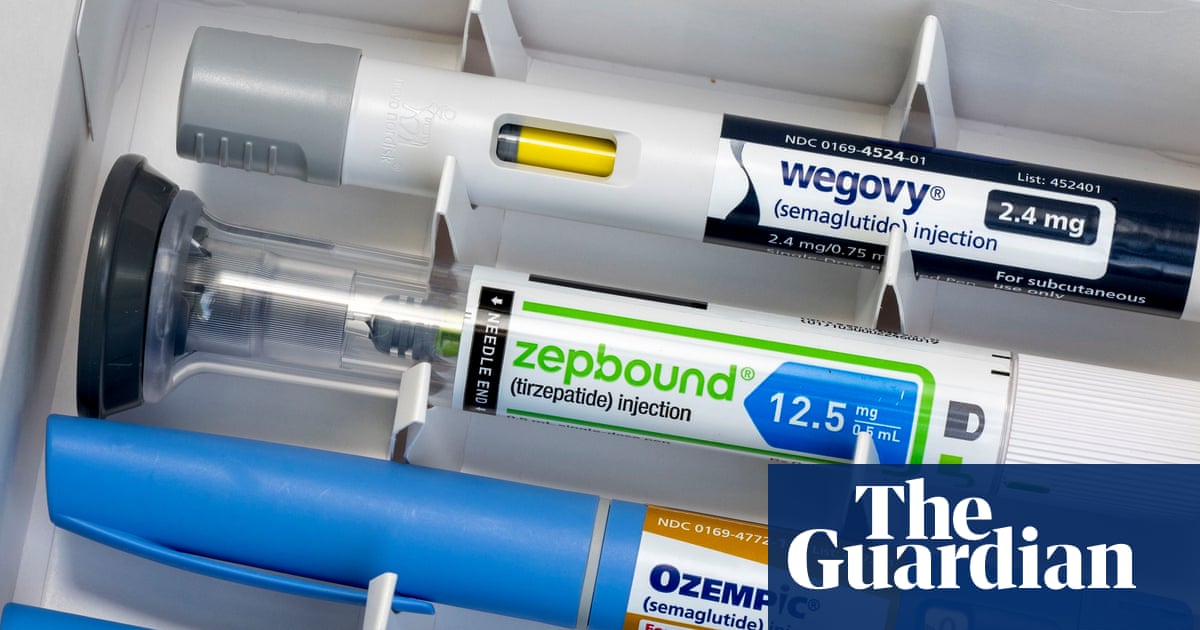
And then I went on Wegovy for four months, then Contrave [an oral, non-GLP-1 medication], and then Mounjaro, and that was for a few months, and then nine months ago I started on Zepbound,” said Mercedes. Ozempic, a type 2 diabetes medication, and Wegovy, which is licensed for weight loss, both contain a drug called semaglutide that mimics a hormone that occurs naturally in our bodies: GLP-1. These medications reduce the rate at which food is emptied from the stomach, suppress appetite and increase the production of insulin – meaning many people lose weight.
Mounjaro and Zepbound, also now household names, have an even greater weight-loss effect. They both contain the drug tirzepatide which mimics both GLP-1 and another hormone. The excitement around such “GLP-1s” has been hard to miss: the medications have grabbed headlines, with clinical trials suggesting they can help participants lose an average of 15% to 20% of their body weight.
Studies suggest they could help with conditions ranging from heart problems and addictions to fatty liver disease. In some cases experts say the effects may not be entirely related to weight loss. But not everyone experiences the benefits.
Between 9% and a third of participants in clinical trials lose less than 5% of their body weight – depending on the type of drug and dose used. Now researchers are trying to work out why – something they say could help doctors tailor the use of the drugs, maximise cost-effectiveness and reduce side-effects. For Mercedes, the impact of non-response has been profound.
Mercedes said she has tried hard to stick to lifestyle changes alongside the medications but, for her, the jabs did not suppress constant, intrusive thoughts about food. And the food talk never ended.” The extreme effort paid off, to an extent. Mercedes is certainly not alone: the Guardian has heard from dozens of people for whom GLP-1 medications have had little effect.
Extract — continue reading at the source.