Hebron, occupied West Bank – Badr al-Tamimi, 60, lives in Hebron’s Old City, where Israeli checkpoints, iron gates and road closures turn the simplest tasks into a dispiriting daily ordeal for Palestinian residents. The situation goes beyond mere restrictions on movement. Israel has created a ghost town in parts of Hebron, where residents feel they are being driven out.
This is most pronounced in an area known as H2, where Israel has complete control and Palestinians are subject to the dictates of the military. A few days ago, Israeli authorities installed three iron gates across a 200-metre (656-foot) stretch of Hebron’s Old City – amounting to just 0.2 dunams (200 square metres) – as part of Israel’s apparent attempts to restrict Palestinians’ freedom to move around the city. Hebron Mayor Yousef al-Jabari told Al Jazeera that one gate was erected on al-Zahid Road, the only route accessible to vehicles reaching the Old City entrance.
A second was placed at the start of al-Shalala Street, which leads to shops connecting to the Bab al-Zawiya area in the city centre. A third towers over another section of al-Shalala Street, a thoroughfare used by pedestrians to access the shopping area. They are part of a wider web of travel restrictions across the occupied West Bank, but Hebron, which has a strong settler presence, has suffered more than most Palestinian cities.
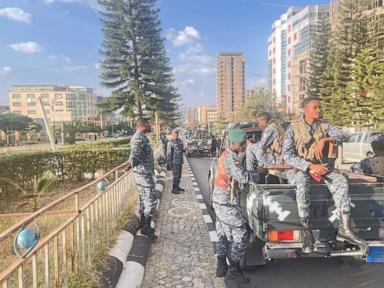
Approximately 40 percent of the 89 checkpoints in the West Bank and 11 percent of all 925 movement obstacles are located in the H2 area of Hebron, which is under tight Israeli control, according to the United Nations Office for the Coordination of Humanitarian Affairs (OCHA). About 7,000 Palestinians in an area of Hebron where hundreds of settlers live are affected by the latest travel restrictions. Since October 2023, when the genocidal war on Gaza began, only Palestinians with specific identification numbers could enter this area.
Checkpoints at the entrance to this zone are generally only open from 7am to 8pm. Al-Tamimi, who lives in the al-Sheikh neighbourhood adjacent to the city’s famed Ibrahimi Mosque, owns a shop in the Old City. Palestinians can be kept waiting for hours at the checkpoints, and the mood of a soldier manning one can decide the commute time of a Palestinian.
Worshippers attempting to enter the Ibrahimi Mosque can be held up for hours by soldiers. Repeated closures have paralysed economic activity in Hebron, making it increasingly difficult for shops and companies to do business. Even after Israel’s occupation of the city in 1967, Hebron was once a bustling city with lively shops and markets.
Extract — continue reading at the source.