Some Americans worry that the Federal Trade Commission’s rush to limit personalized pricing in the name of consumer protection could end up killing discounts they depend on or, counterintuitively, raising prices. The FTC has no power to ban personalized pricing, in which a business uses a customer’s personal data to determine the highest price that person might be willing to pay for a product or service. But the agency believes it could set limits on the practice, including potential penalties for businesses that fail to disclose when customers may be paying more because data suggests they won’t balk at the price.
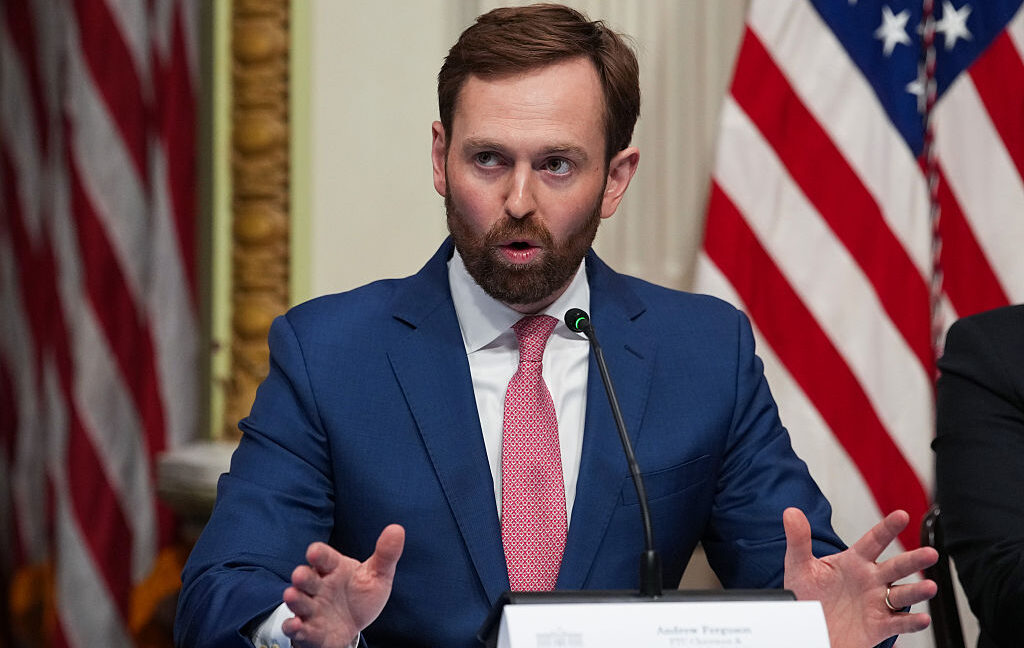
In a request for public comment on a proposed policy statement, the FTC acknowledged that personalized pricing is common in some industries. But FTC Chair Andrew Ferguson said new industries are increasingly tracking customers to set individualized prices, blindsiding consumers who expect a listed price in markets like retail “to be the same price that everyone else sees,” Ferguson said. Members of the public were given 30 days to submit comments on the proposed change in enforcement.
The FTC said that there’s little economic research on how personalized pricing is impacting consumers, and it’s unclear how many businesses may be using it. But “the rise of data-driven ‘personalized pricing’ has the potential to transform our history of relatively limited variation in pricing from one consumer to the next,” the FTC’s policy statement said, potentially propping up more monopolists. What research does exist, the FTC said, suggests that “while personalized pricing is likely to increase business profits, benefits to some consumers are accompanied by losses to other consumers and that the more sophisticated personalized pricing practices become, the less likely consumers are to benefit.”
Extract — continue reading at the source.