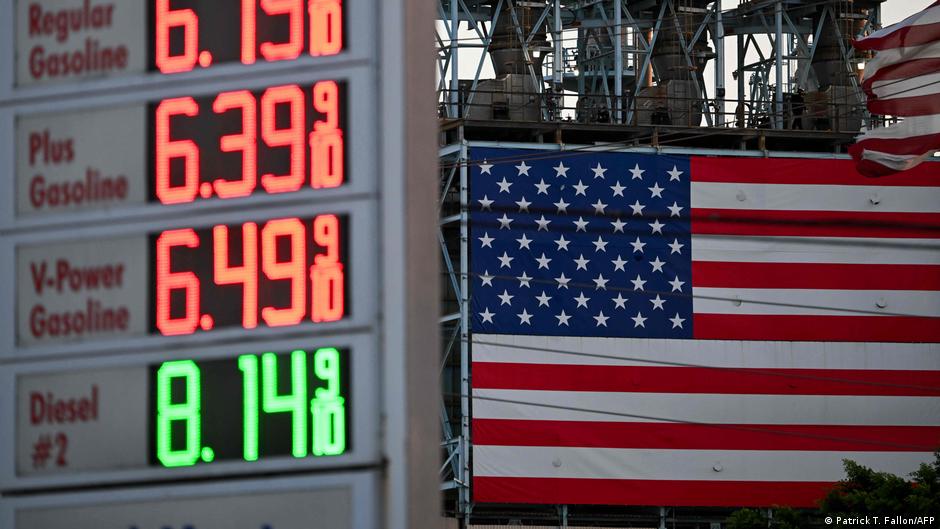
October WTI crude oil (CLV26) is down -0.17 (-0.18%) today, and October RBOB gasoline (RBV26) is up +0.0673 (+1.94%). Crude oil and gasoline prices are mixed today, with crude falling to a 3-week low. Today's rally in the dollar index ($DXY) to a 7-week high is bearish for energy prices.
Crude prices also fell today on a report that said Iran will reopen the Strait of Hormuz in seven days if the US lifts its blockade. Crude prices recovered from their worst level after the crude crack spread rose to a record high, encouraging refiners to purchase crude oil and refine it into gasoline and distillates. Improved Crude Flows Through the Strait of Hormuz Sink Oil Prices Crude Prices Sink on Larger Flows of Oil Through the Strait of Hormuz Stop Missing Market Moves: Get the FREE Barchart Brief – your midday dose of stock movers, trending sectors, and actionable trade ideas, delivered right to your inbox.
Crude prices fell today after Japan's Kyodo News Agency reported that Iran has proposed reopening the Strait of Hormuz within seven days if the US lifts its blockade of Iranian ports. Crude prices are also pressured by signs that diplomacy may bring an end to Middle East hostilities after a spokesman for Iran's Islamic Revolutionary Guard said that "if our national interests require us to negotiate alongside the war, we must negotiate." In addition, people familiar with the matter said Saudi Arabia is in the early stages of restarting its East-West pipeline and resuming crude exports from its Red Sea port of Yanbu later this week. Signs that more crude supplies are moving through the Strait of Hormuz are easing supply concerns and are bearish for crude prices.
On Monday, Admiral Brad Cooper, head of US Central Command, said crude and liquefied natural gas flows through the Strait of Hormuz over the past two weeks are running at a six-month high. Also, data from the European Union's Sentinel 2 satellite showed oil supertankers with the capacity to collect 14 million bbl of oil were observed at Saudi Arabia's export installations inside the Persian Gulf, signaling the country has shifted its crude exports back toward the Strait of Hormuz following the shutdown of its East-West pipeline. Crude oil prices rallied to a 4-month high last Tuesday on fears that global oil supplies will tighten further after Saudi Arabia shut down its key East-West pipeline, disrupting a key route that bypasses the Strait of Hormuz.
The 750-mile-long East-West pipeline, which carries 7 million bpd of crude, was closed as a precaution following attacks by Houthi rebels. The pipeline moves oil away from the Persian Gulf toward the Red Sea, where it can be loaded on tankers. Last Tuesday, Saudi Aramco said it is delaying oil deliveries to some European customers because of the pipeline closure.
Crude also has support as Yemen's Houthi rebels target energy facilities in Saudi Arabia, forcing several oil facilities to halt production. Saudi Arabia said that its crude production in August fell to 6.238 million bpd, the lowest since 1990. The advances by the Houthi rebels to take territory along the Red Sea in Yemen are also contributing to concerns about tighter oil supplies from the Middle East.
Extract — continue reading at the source.