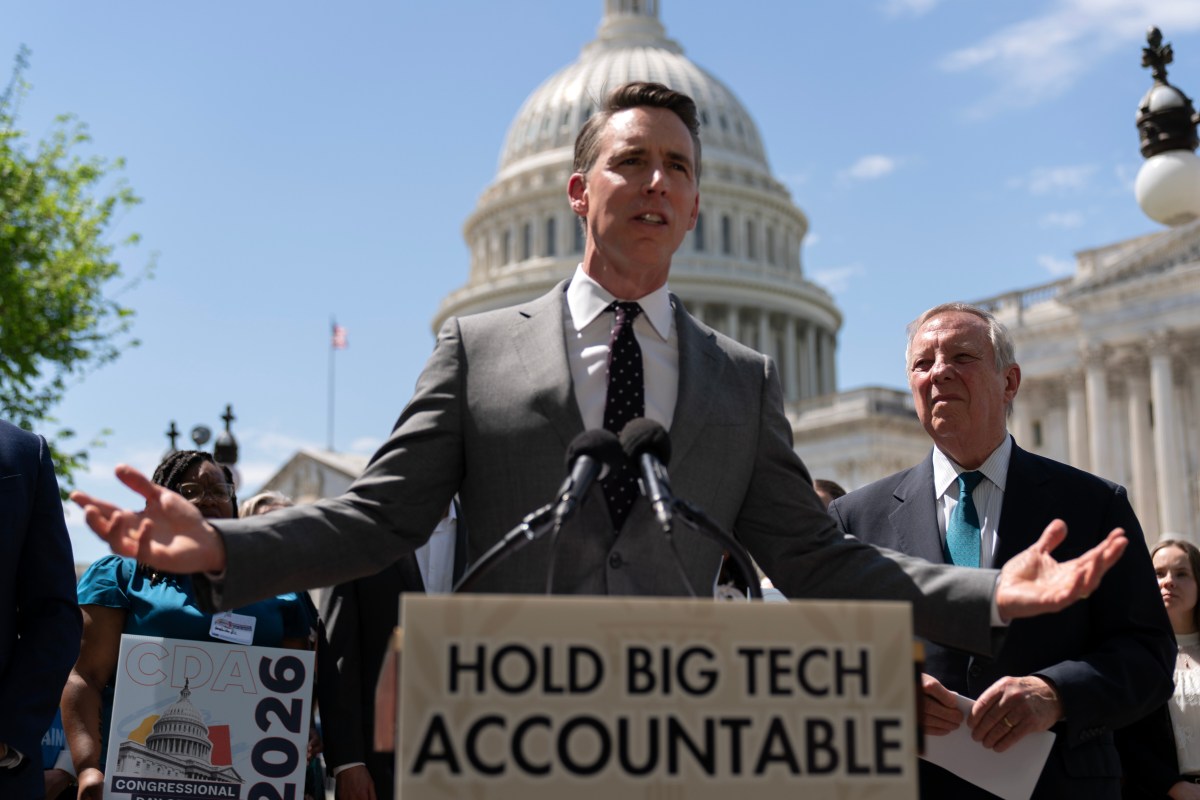
Senate Democrats on Tuesday blocked the Crypto Clarity Act, preventing the legislation from advancing after a 49-50 procedural vote fell short of the 60 votes needed to move forward. Three Republicans broke with their party to oppose the measure: Senator Susan Collins of Maine, Senator Josh Hawley of Missouri and Senator Jerry Moran of Kansas. Delaware Democrat Chris Coons did not vote.
Senator Thom Tillis (North Carolina) also voted "no," but did so for procedural reasons so he could enter a motion to reconsider and preserve the option of a future vote. The legislation would have established a national regulatory framework for digital assets, an effort long sought by the cryptocurrency industry as companies push for clearer federal rules governing the $2.3 trillion sector. Supporters argued the bill would provide legal certainty for crypto firms while adding consumer protections and regulatory guardrails designed to prevent fraud and market instability.
Democrats, however, united against the measure after negotiations over ethics provisions failed to produce an agreement. Many lawmakers argued the bill did not go far enough in addressing concerns about President Donald Trump's extensive crypto investments and his family's involvement in cryptocurrency businesses. Several Democrats who generally support crypto regulation said they remained open to a deal but wanted stronger restrictions on elected officials and their families profiting from digital assets while in office.
The vote was particularly notable because Republicans control 53 Senate seats, meaning the legislation needed bipartisan support to overcome the chamber's 60-vote threshold. Before the vote was finalized, Senator Thom Tillis of North Carolina switched his vote to "no" and entered a motion to reconsider, a procedural move that preserves the possibility of bringing the measure back for another vote. The setback is a significant blow to the cryptocurrency industry's lobbying efforts ahead of the midterm elections.
Crypto groups have spent heavily in recent election cycles and viewed the Clarity Act as a cornerstone of their push for comprehensive federal regulation. With Congress scheduled to spend much of October out of session and the political landscape potentially changing after November's elections, supporters now face an uncertain path forward. The contributed to this story.
Contact Newsweek editors on this story: Jason Lemon and Gray R.
Extract — continue reading at the source.