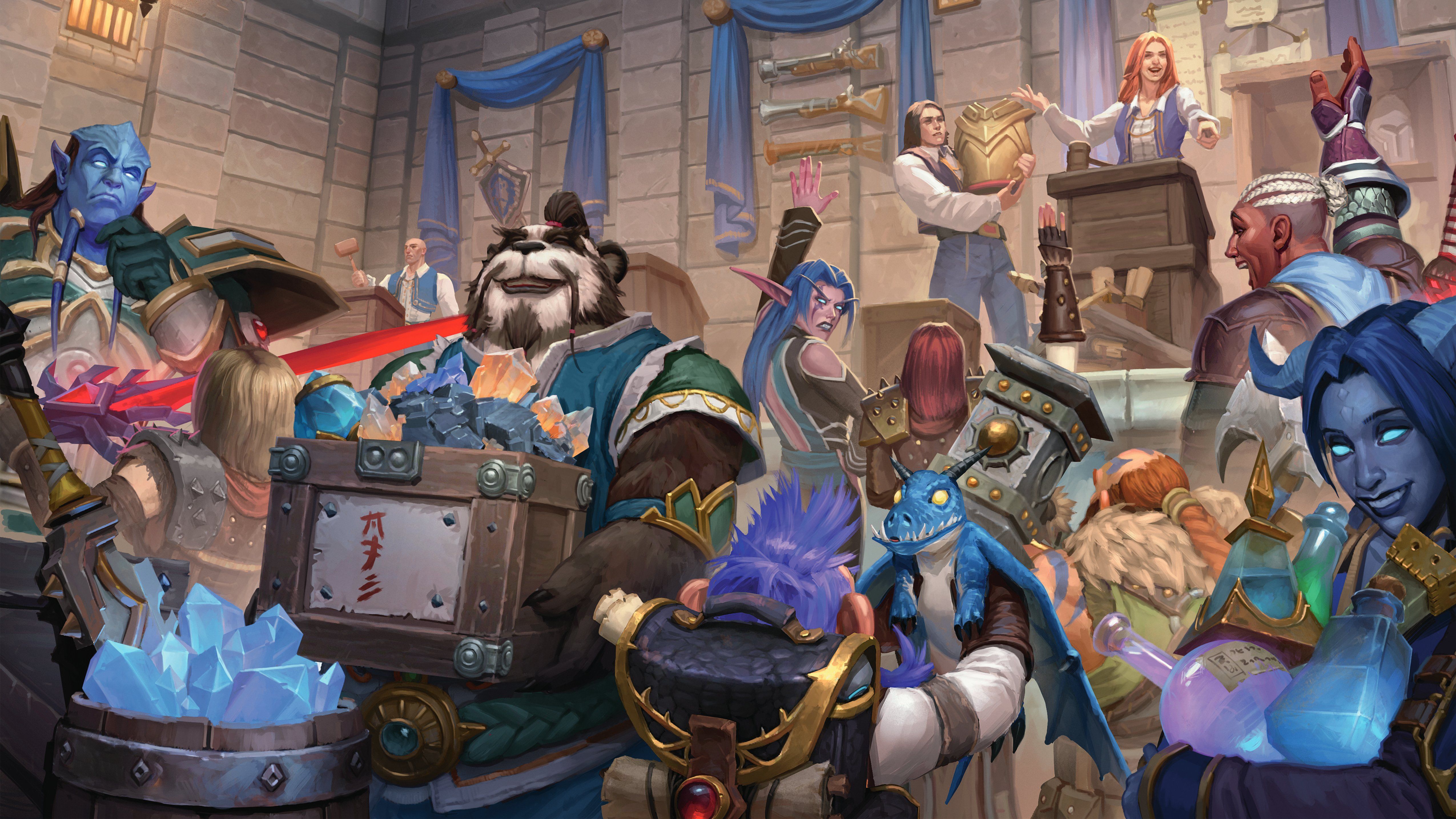
Wizards of the Coast has been playing things safe since updating the rules of Dungeons & Dragons 5th Edition in 2024. After lead designers Jeremy Crawford and Chris Perkins left Wizards in 2025 to join Critical Role’s Darrington Press, Wizards slowed the pace of new D&D releases. Recent books have focused mostly on updating the lore and rules for the game’s most popular campaign settings and rebalancing previously published character options.
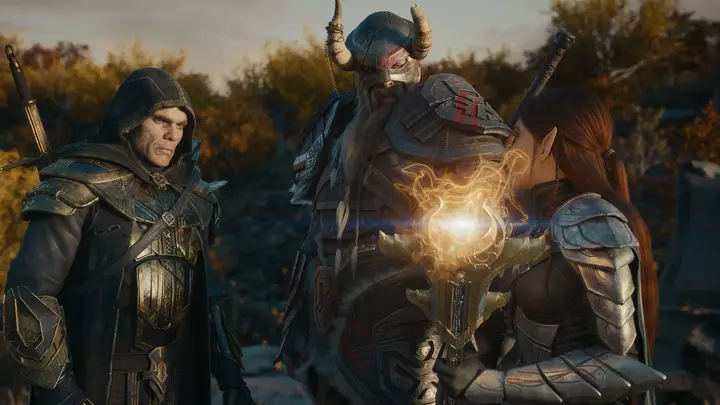
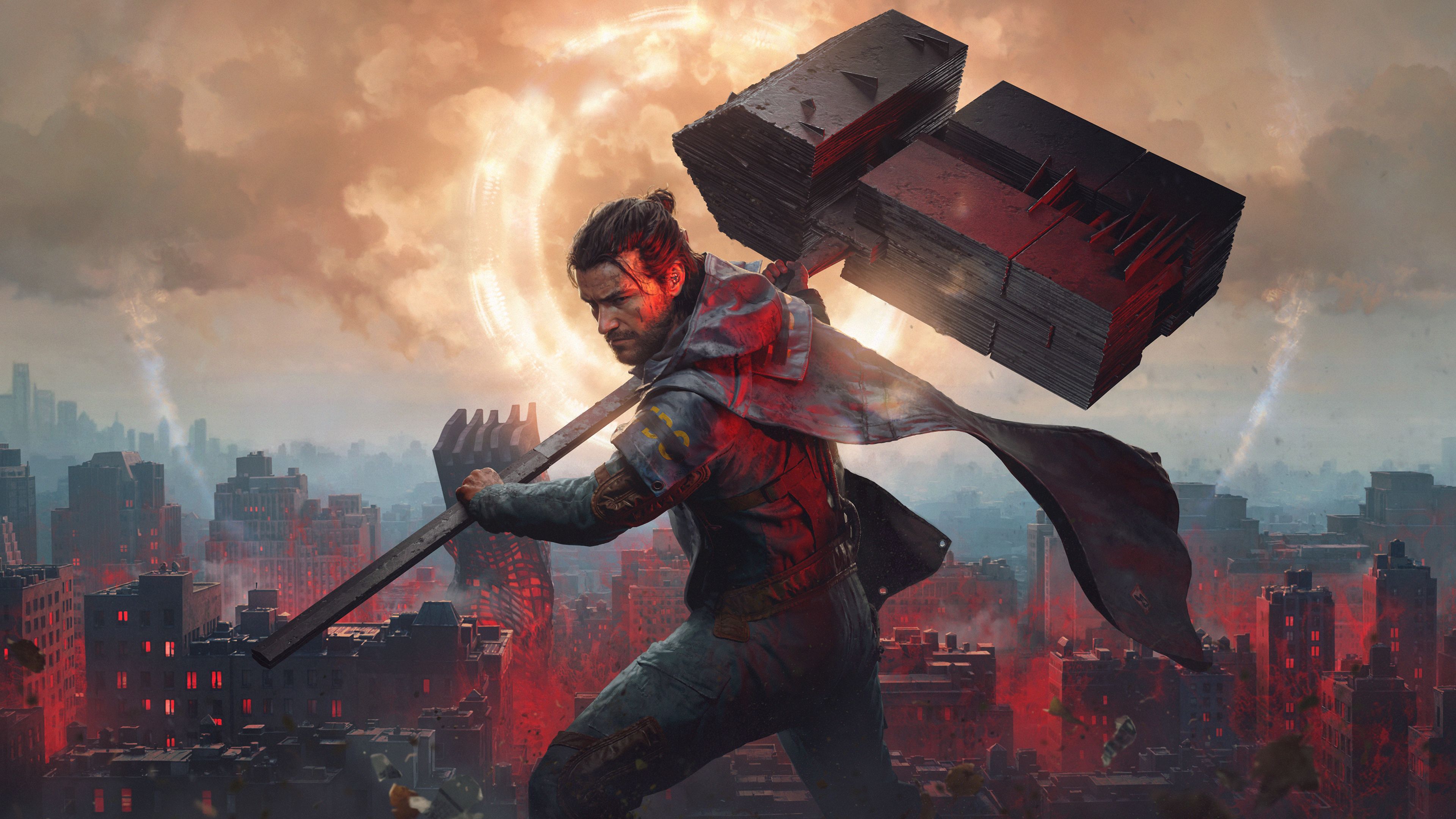
D&D’s newest release bucks the trend, delivering an ambitious collection of innovative character options, monsters, and ways to use some of the game’s less developed subsystems. It just requires venturing to a new world. Dungeons & Dragons: World of Warcraft is the first book in the Universes Beyond line, an extension of the controversial Magic: The Gathering strategy that filled the collectible card game with licensed tie-ins.
Even though WoW and D&D share many of the same classes and monsters, marrying the two games is a daunting challenge that involves incorporating lore from 22 years of video game releases and 12,000 years of conflict on the planet of Azeroth. But it also provided a unique opportunity to increase D&D’s complexity. A big part of 5E’s appeal is how simple it is to learn and play, especially at low levels.
But WoW is a game about big boss fights and characters with a huge array of abilities, and D&D: World of Warcraft reflects that with an emphasis on high-level play and more tactical combat at every level. Sometimes the translation is needlessly confusing. WoW has some heroic classes that don’t start at level 1.
D&D: WoW both introduces the term and then tells players they can start at level 1 anyway. Once you can get past the confusing language, the result is a set of rich new character options that DMs might want to consider for any game. For instance, the Death Knight modifies many of the core abilities of a Paladin, going beyond the neat building blocks of a subclass to transform a holy warrior into a necromancy-powered master of the battlefield who can pull foes into melee and charge through walls on a spectral steed.
Demon Hunters, a similarly dramatic reimagining of Rangers, utilize Warlock powers and gather souls to heal themselves and harm their enemies. The extra power is necessary when facing the denizens of WoW’s dungeons. Lead designer James Wyatt and his team capture the feel of WoW’s multiphased boss fights with a mix of legendary actions, the bloodied condition that 5.5E brought back from 4E, and the mythic actions introduced in the Magic crossover campaign book Mythic Odysseys of Theros.
Extract — continue reading at the source.