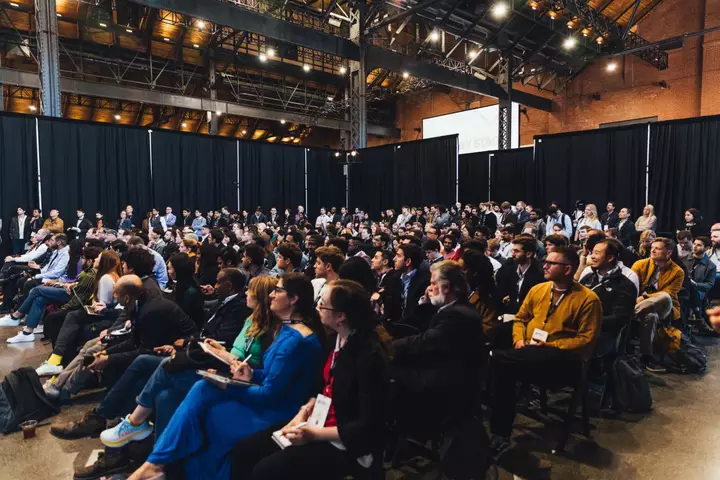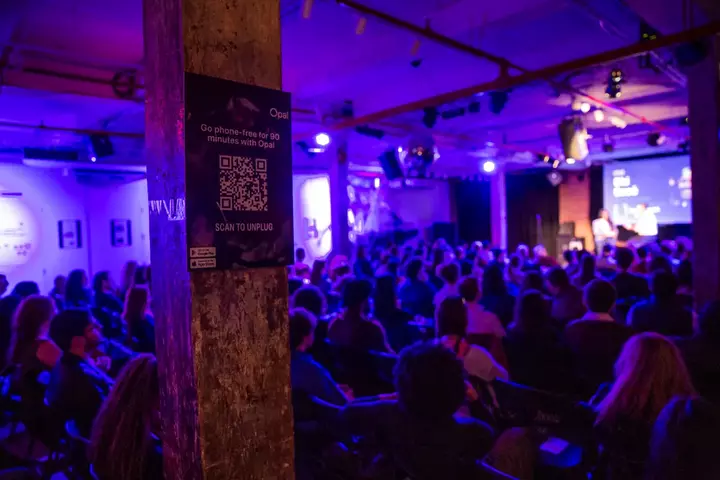
On Thursday evening, I slipped on my neon yellow heels and a floral mini dress. It’s New York, so I can wear whatever I want to a midterm election event full of media types, techies, policy advocates, and, well, does anyone else even exist at these things? I walked into the dimly blue-lit Brooklyn warehouse and was surprised to see the room already filling up.
Newsreel, the media company founded by former Forbes and Newsweek reporter Jack Brewster, hosted the event, and the lineup was heavy-hitting. Kenneth Schlenker, co-founder of the focus app Opal, sat down for a fireside chat about “the state of attention,” and Aryan Banjan, who built the campaign management software Barza, gave a midterm forecast. I, meanwhile, was moderating a panel on data centers.
Brewster said the goal was for people to “put their phones away and talk to each other about the election, five days out.” As the evening progressed, however, one topic consumed nearly every conversation: AI, data centers, and the backlash against the growing technocracy. Lately, as a tech reporter, I’ve noticed a growing chasm between tech and everyone else. I spend most of my days talking to people who see the benefits of AI, who are so ambitious in building it and so optimistic that it will succeed that, when I talk to people beyond the tech world, I forget how ugly it all seems to them.
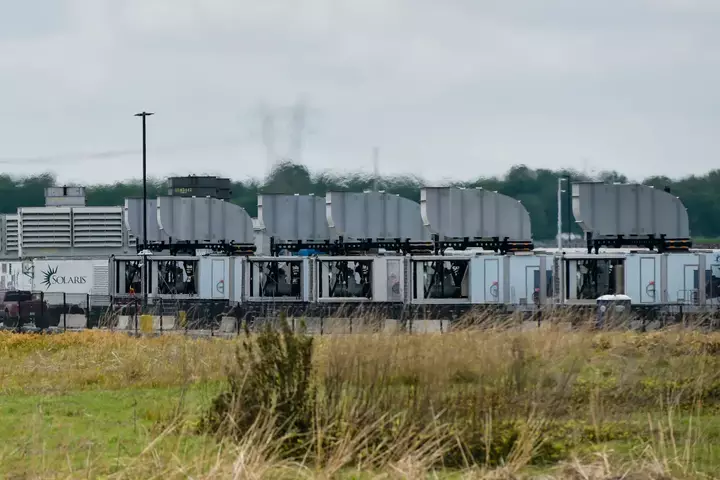
Outside the tech bubble, data centers and AI have become such an intense ballot-box issue that they could sway some midterm races on November 3. A recent report from Data Center Watch found that almost $200 billion in data center projects were delayed, stalled, or blocked in the first half of 2026 due to political and community opposition. Meanwhile, states like Pennsylvania, Georgia, Texas, New York, and Virginia are considering more guardrails and transparency around data centers’ rapid development.
Hundreds of new data centers are planned in Virginia alone, a state already nicknamed the “data center capital of the world.” A fireside chat with New York City Council member Chi Ossé, just before my panel, set the tone. AI came up near the end; Ossé said he doesn’t really use it. To me, though, he didn’t seem to be for or against it.
He mostly emphasized that he would like to see tech executives held more accountable and trillionaires like Elon Musk taxed more. He described himself as a democratic socialist, but a “law and order” one. When CEOs talk about a technology that could deplete 10% of human civilization, he said, “they should be called to testify in front of Congress.” My panel was up next.
Extract — continue reading at the source.