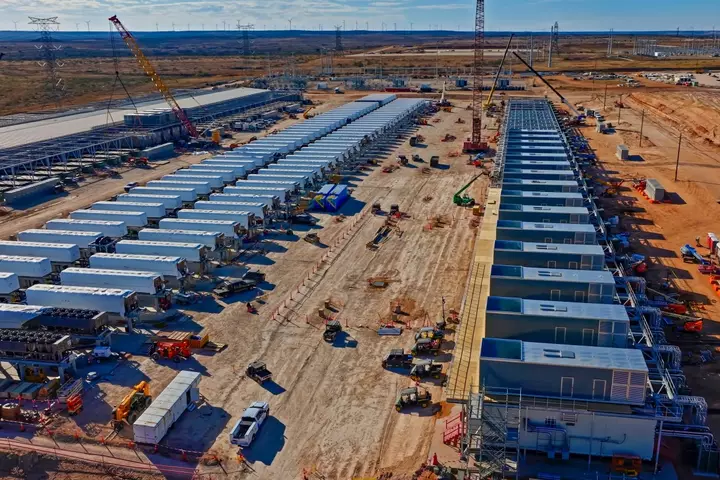
A community should not have to choose between welcoming new investment and having roads that work. Yet that is the frustration behind a reasonable question about the data center boom. If workers can be found to build the facilities powering artificial intelligence, why does repairing everyday infrastructure still feel so difficult?
I believe the answer requires looking beyond which project wins the next construction crew. Data center development should help expand the workforce and local capacity that communities will need after construction ends. That means making training, small-business participation, and community planning part of the project from the beginning.
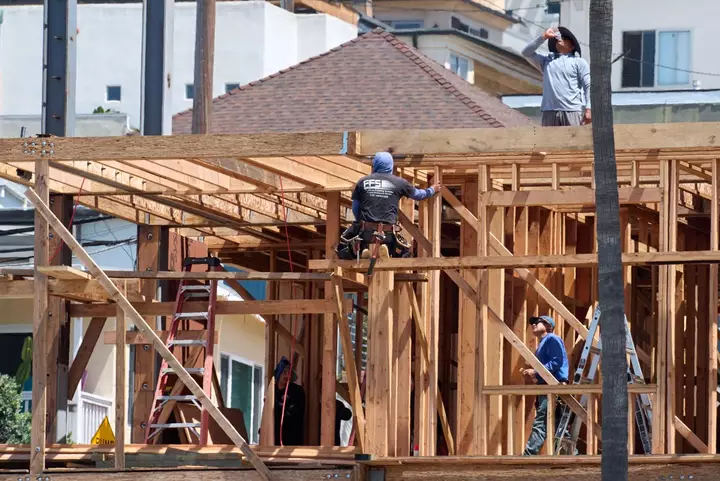
The pressure on construction is real. In a 2025 survey by the Associated General Contractors of America and NCCER, 92 percent of construction firms that were hiring reported difficulty finding qualified workers. Forty-five percent said labor shortages were causing project delays.
Those findings describe a broader workforce problem that cannot reasonably be reduced to a single category of development. That distinction matters. A town waiting for a road repair deserves more than reassurance that private investment will eventually benefit everyone.
But treating every new data center as an obstacle to public infrastructure leaves another question unanswered. How do we increase the number of people qualified to build either? My concern is that we are evaluating projects too narrowly.
A development can look attractive on paper while leaving unresolved questions about where workers will live, how they will commute, and whether local contractors can participate. These questions belong in the planning process, before communities are expected to accommodate the consequences. Environmental concerns belong there, too.
Extract — continue reading at the source.