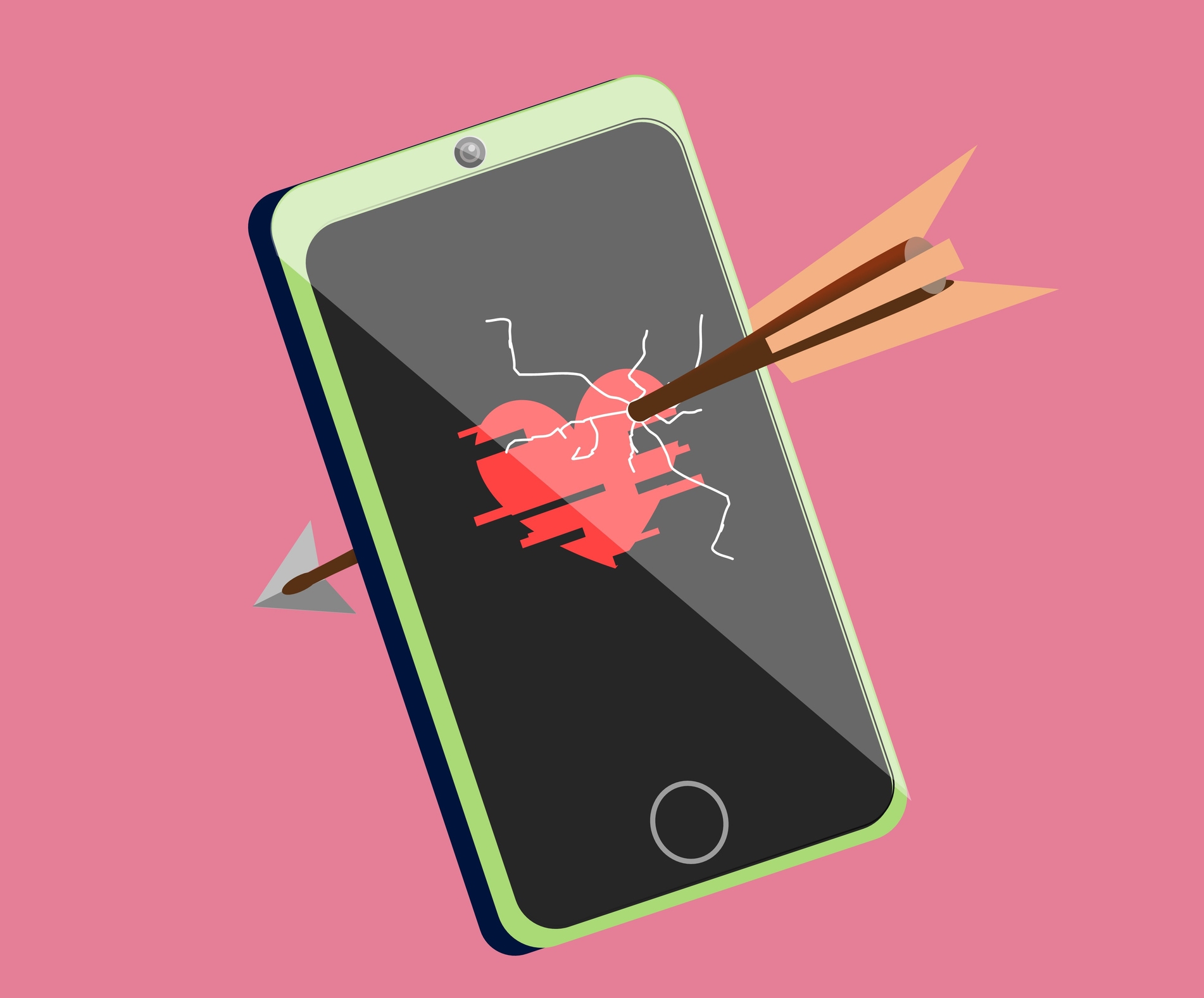
Everyone I know has either deleted dating apps, stopped using them, or is considering it. The icons lie dormant on their phones: technically still there, but rarely opened and no longer expected to deliver anything meaningful. I have used multiple dating apps over the past eight years, and I have never formed a relationship with anyone I met on them.
I have rarely even gone on a second date with someone from a dating app. Most first dates end in disappointment, mutual ghosting, or both. My experience is hardly unusual.
Social media is full of people declaring that dating apps are dying, and a 2026 Harris Poll found that two-thirds of singles weren’t using them, while 80% of Americans viewed meeting someone in real life as “cute” or “cool.” Over the past year, I have also found myself far more interested in men I meet in real life. My theory is that dating apps are dying because they don’t encourage the patience, curiosity, and emotional investment that dating requires. The apps promise abundance: hundreds or even thousands of potential partners, all accessible from the couch.
But that abundance creates its own burden. Every session requires users to make a relentless series of small decisions—whether to swipe, initiate a conversation, maintain it, arrange a date, or keep looking for someone better. There is evidence that this process becomes emotionally exhausting.
A longitudinal study led by Liesel Sharabi, director of the Relationships and Technology Lab at Arizona State University, followed dating-app users for 12 weeks and found that emotional exhaustion and feelings of inefficacy increased over time. Dating apps expose us to far more potential partners than we would encounter offline, requiring hundreds of judgments about people we know almost nothing about. The end result is decision fatigue and cynicism, he explains.
Of course, rejection has always been part of dating, but apps dramatically increase our exposure to it. Every unanswered message, vanished match, and unexplained ghosting carries a small emotional cost. Over time, Hipkiss says, users may lose faith in the process and become less willing to invest emotionally in any individual connection.
Extract — continue reading at the source.