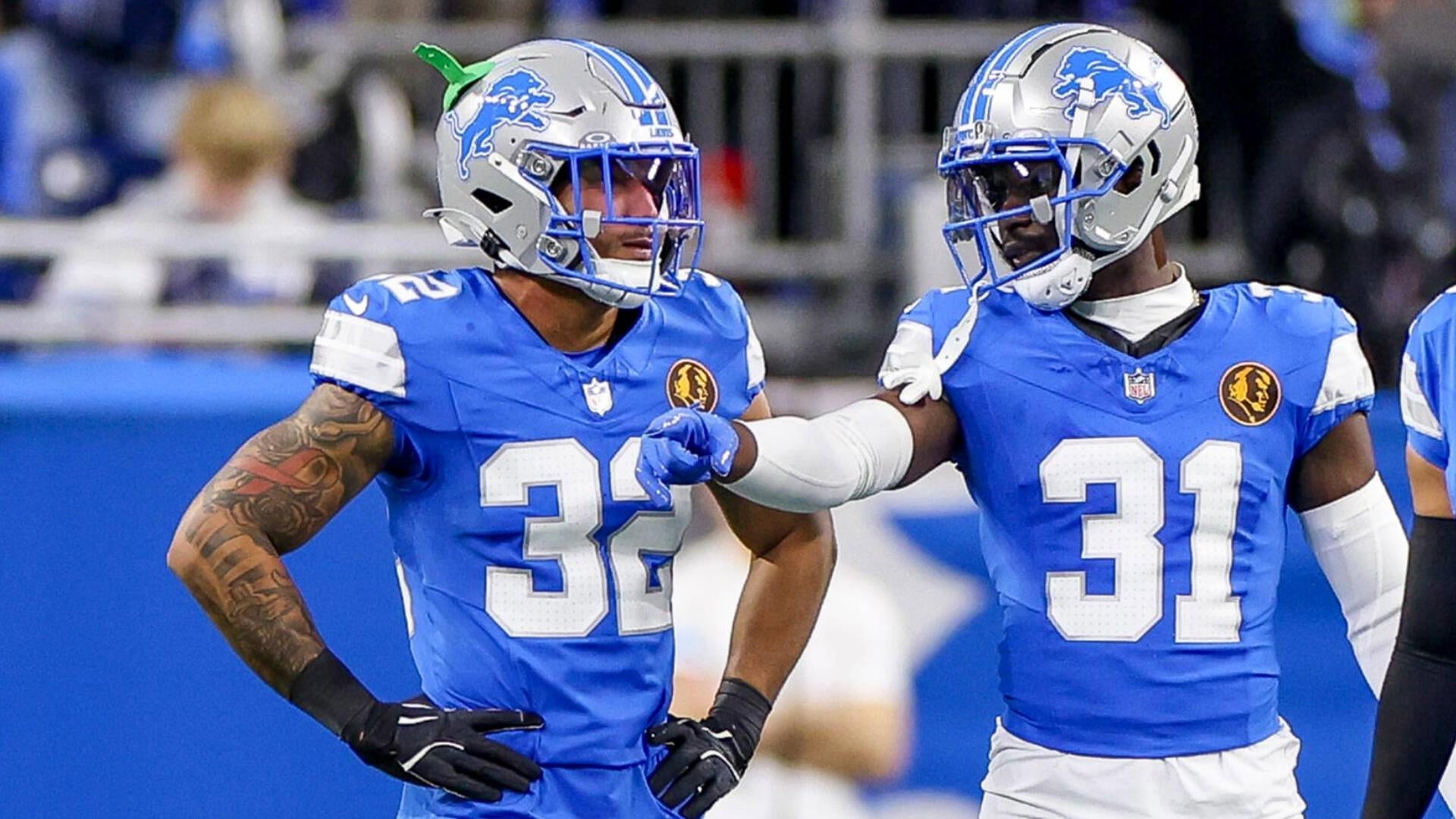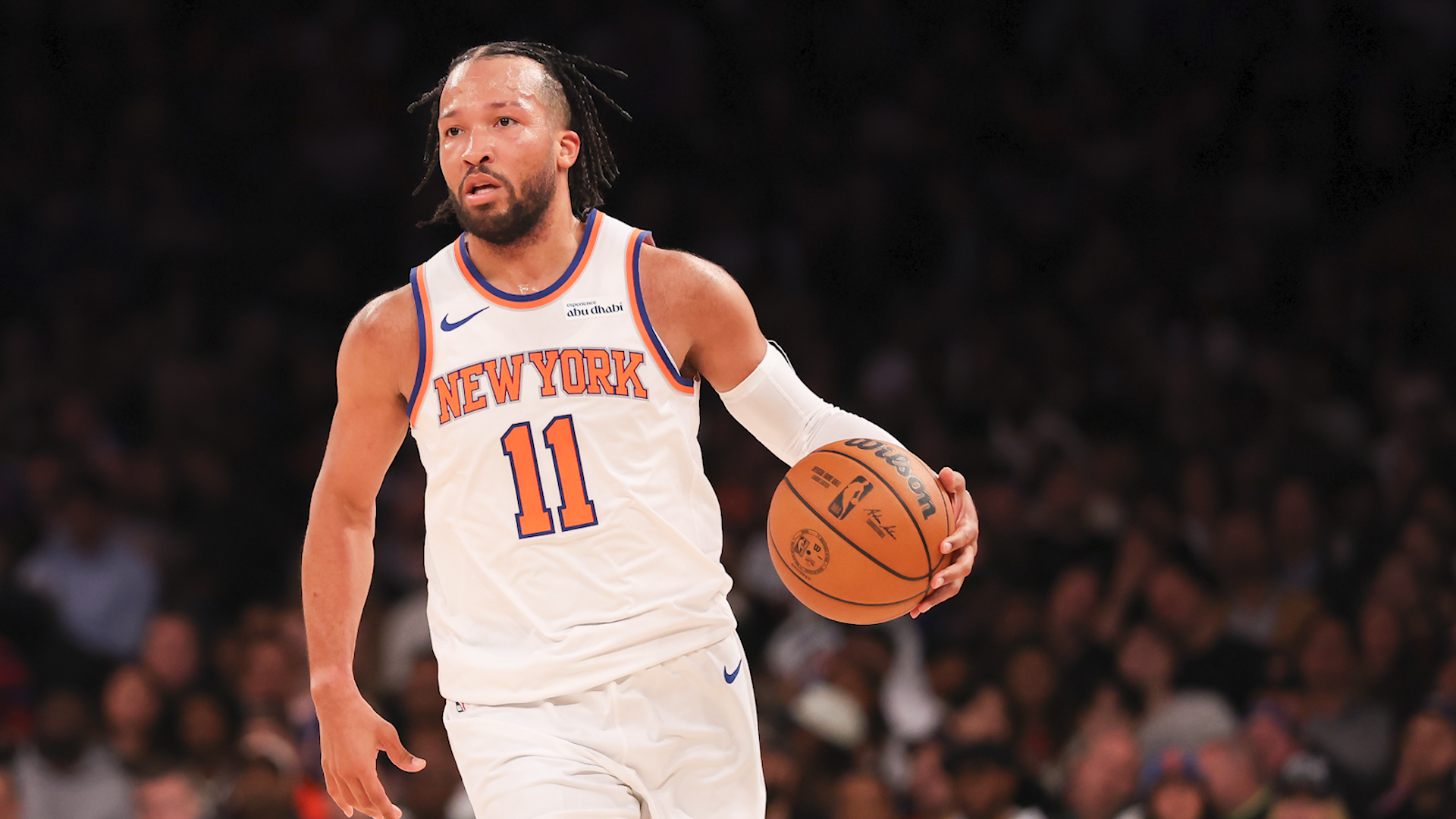
After Week 7, the Fantasy Football regular season will reach its halfway point. As long as you don't have six losses, you should consider yourself a contender. But there are two types of contenders.
If you have between three and five losses, you're probably in a win-now mindset. If you have two or fewer losses, you've probably daydreamed about making a glory run toward your league's championship. Teams going for the gusto will attempt to land the superstar players in two-for-one and three-for-one trades from those in win-now mode.
Those types of deals will begin to happen now and continue to happen up until each league's trade deadline. And while trading elite-tier superstars isn't for the faint of heart, it is an option for those who can pick up a haul in terms of quality starters in exchange. And that's what the Trade Chart is designed to help you with.
More than fifteen seasons ago, the Fantasy Football Trade Chart was invented by CBS Sports with the sole purpose of helping managers make fair trades in their leagues. And since then, the Trade Chart has expanded to include four-point-per-pass touchdown leagues and half-PPR leagues. Now, no one has to be scared to make a trade anymore.
The points assigned to players below reflect a long-term measurement of their Fantasy value, which is determined by expected future performance, future schedules and (perhaps most importantly) public sentiment. Past performance is not a major factor in the Fantasy Football Trade Chart. By adding players' values, you can determine what players you should be able to get in return.
However, Fantasy managers should deduct 10% of the value from any trade where one side has two or more players than the other. Also, a handful of others only carry legitimate value in two-QB or full-PPR leagues (and thus have no value listed in one-QB or non-PPR leagues). This list also works as a "rest-of-season" rankings for the 2026 campaign.
Extract — continue reading at the source.