The point is, draft receivers who are going to get seven-plus targets per game (eight-plus in the early rounds). You might think that's something every receiver will do. Nineteen qualifying wide receivers averaged at least seven targets per game last year, while 18 averaged between 6.0 and 6.9 targets per game.
The seven-plus target number was 29 in 2024 and 2023! So when you waltz through these Tiers, think about how many targets per game each receiver will get, then think about how many 100-yard games and how many touchdowns they could realistically get. The fewer names who can get all of these wonderful numbers, the more inclined you should be to draft this position early on.
Lastly, the more catches are worth in your scoring, the more you should chase high-volume receivers. In half-PPR, that edge only goes so far -- the 10th-best receiver in half-PPR last year on a per-game basis would have ranked 18th among the running backs last year. So the premium you might put on stud receivers in half-PPR might not be as good in full PPR.
Studs with high target volume from week to week. Not much else to think about here, other than one name in the group doesn't carry the same kind of track record of success as the others. That's the minimal risk you'll take with Smith-Njigba, whose previous high in half-PPR was 11.9 per game.
These will mostly be Round 1 picks expected to land north of 15 half-PPR points per game. Studs with high target volume from week to week, but also a wee bit of downside due to quarterback, injury, and/or age concerns. Any could finish top 5 and no one would be shocked, but it would mean carrying high target volume through most of the regular season without a drop-off in play from their quarterback.
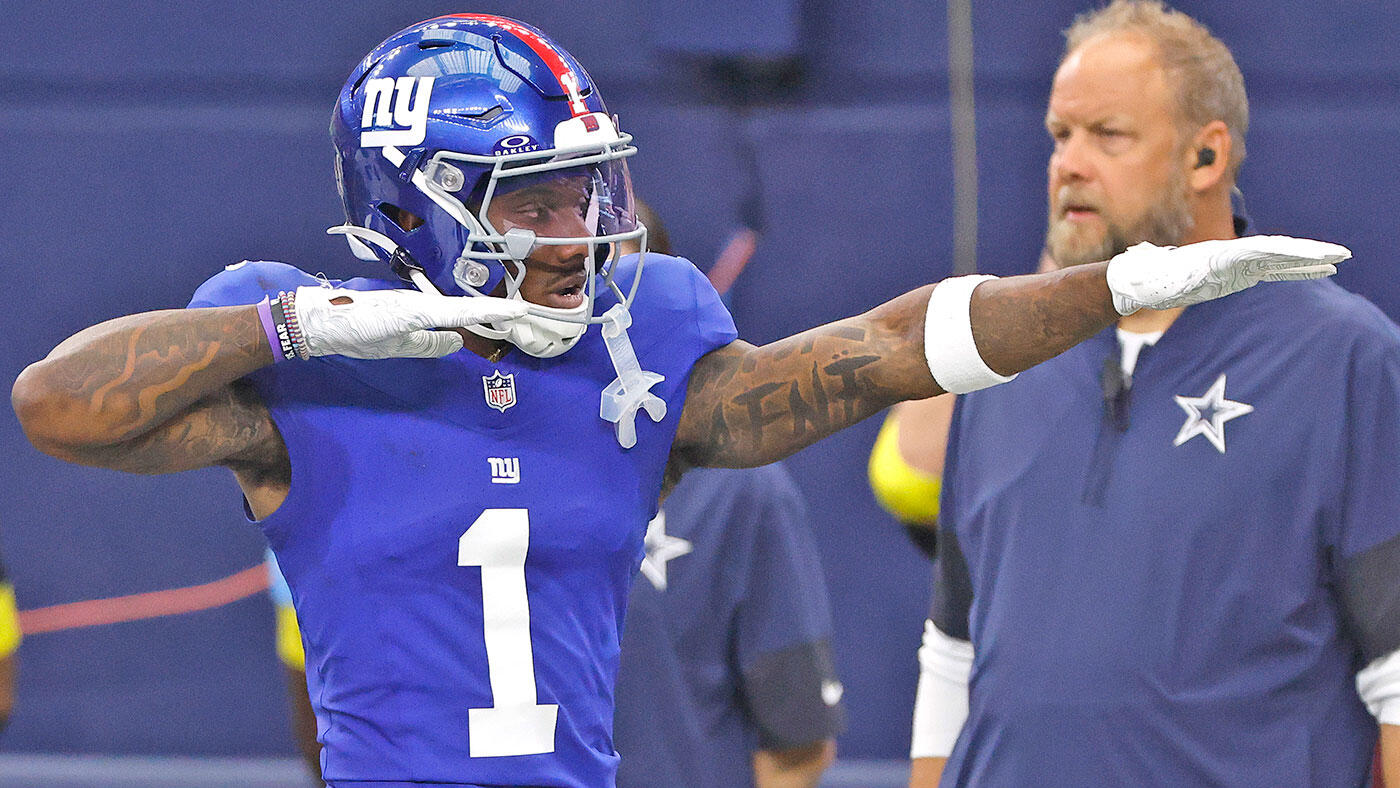
Honestly, it's not too much to ask for from any of these guys. Jefferson is the one most people are expecting a huge resurgence from -- you already know his track record. Nabers is a fast riser after he showed up healthy to training camp.
Extract — continue reading at the source.