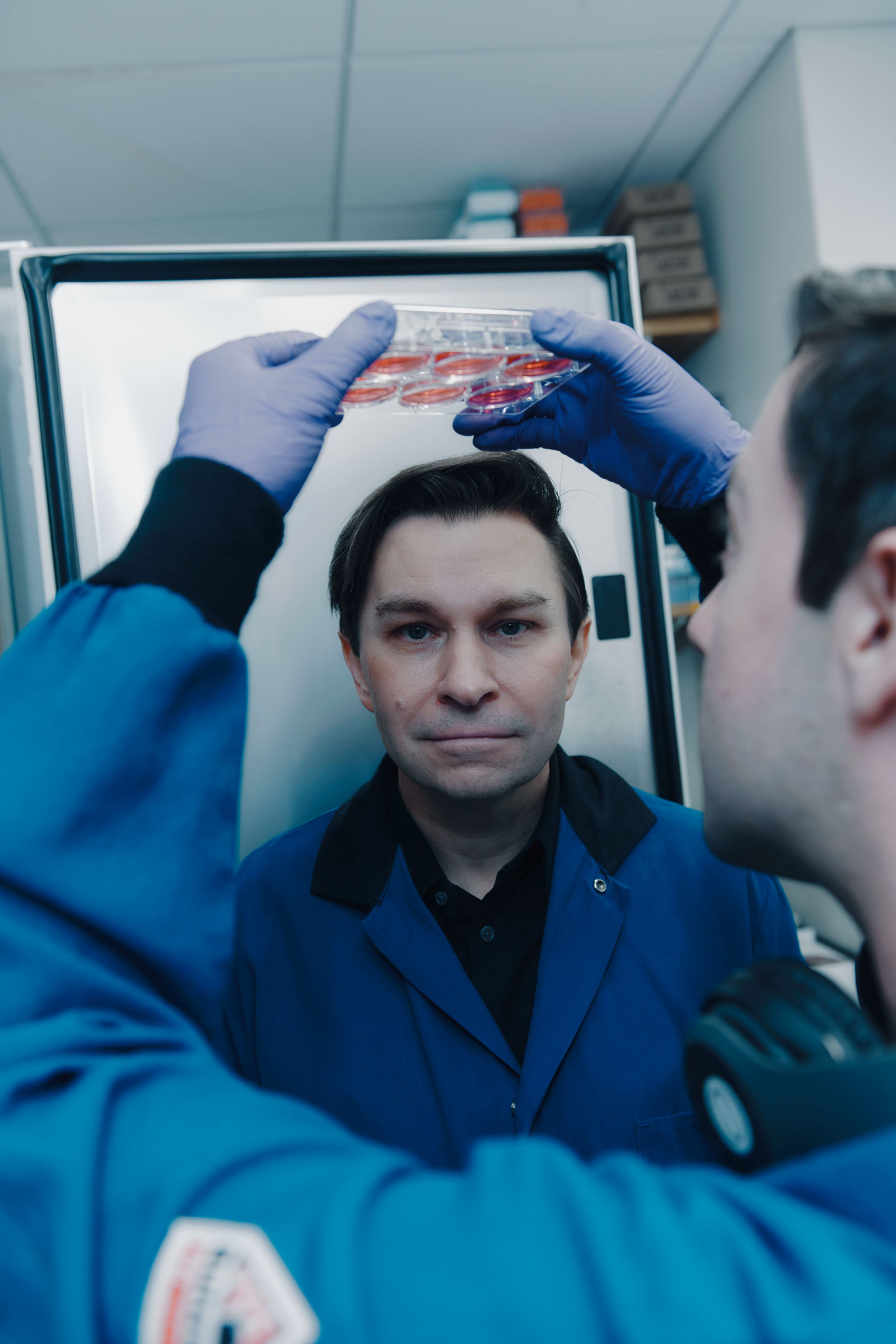
It looked like any other injection an eye doctor might administer. But contained inside was something that no patient had ever received: a cocktail of ingredients designed to change how genes behave in specific eye cells and restore them to a more youthful state. In early June of 2026, that first patient, who had a form of glaucoma, received this groundbreaking cellular-rejuvenation therapy with the ambitious goal of reversing an age-related disease.
For me, it was 30 years of hard work by my teams. We hoped to reach this point one day, and it was happening.” The pioneering trial—conducted by LifeBiosciences, a company Sinclair co-founded—is the first test of the idea that, at least in certain cells, aging may not be inevitable, and can be reversed by restoring important information that older cells lose over time. The study will ultimately include up to 18 people: 12 with a specific form of glaucoma, and six with a condition called non-arteritic anterior ischemic optic neuropathy (NAION, for short), both of which can lead to blindness.
The two conditions are triggered when increasing pressure causes cells in the innermost portion of the retina to start to die, and, because they can’t be replaced, patients lose their vision. But Sinclair thinks these cells can be coaxed back from the brink. Building off of Shinya Yamanaka’s seminal discovery that exposing cells to four specific genes can reverse the clock on those cells, turning them back to a youthful state, Sinclair tweaked the formula using only three of the genes so that cells did not completely revert back to an embryo-like state, but instead were restored enough to regain their original instruction guide and be rejuvenated.
Sinclair believes that this process can reverse age-related diseases that affect tissues in the eye, liver, brain, skin, and more. In lab tests, using both animal models and human cells in a dish, “we haven’t found a tissue or organ where [this epigenetic age-restoring therapy] wasn’t beneficial. So I think if this first trial goes well, then it will open up bigger opportunities to tackle other diseases,” he says.
The eye is a good place to start with such a therapy, since it’s isolated from the immune system and cells with newly introduced Yamanaka factors would not immediately be seen as foreign and attacked. Doctors can also introduce ways to turn the reprogramming on or off, and monitor changes in vision relatively easily. The longevity field is long on innovative ideas but short on proof that any of these approaches actually work, and Sinclair has been criticized for making bold claims and launching a string of companies that have not yet produced durable results.
The scientific community, understandably, is closely watching for the results of this trial. Sinclair is optimistic that the study will catalyze a new way of restoring cells, starting with those in the eye.
Extract — continue reading at the source.