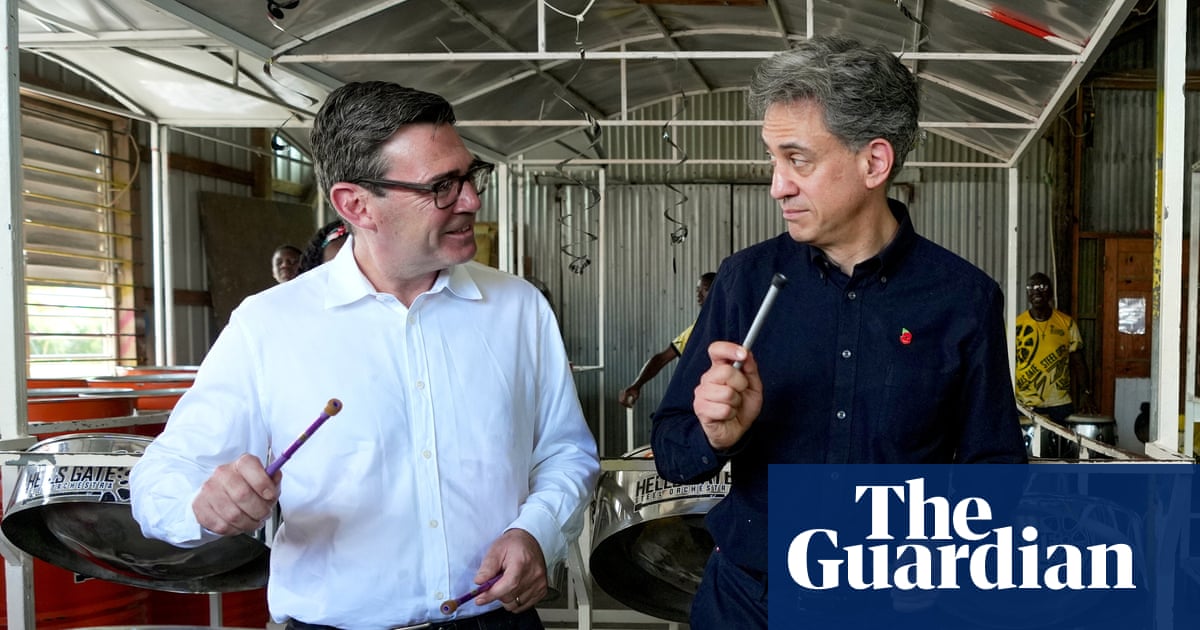
Offers of debt relief and development assistance from the UK cannot be a replacement for reparations for centuries of slavery, leading figures in the Caribbean reparatory justice movement have said. Their comments follow British prime minister Andy Burnham’s announcement on Friday that he wanted to begin a structured dialogue on slavery and reparations and was open to Britain apologising, but ruled out reparations. Instead, he proposed discussions on debt resets for smaller Commonwealth nations and announced £40m ($54m) for critical infrastructure in the Caribbean over the next three years.
As leaders of the 56-member Commonwealth bloc meet in a private retreat at their summit in Antigua, Ralph Gonsalves, a former prime minister of St Vincent and the Grenadines and a senior figure in the reparatory justice movement’s Repair Campaign, said that while countries in the region were likely to welcome Burnham’s offer, the Caribbean would resist any attempt to treat debt restructuring or development assistance as a form of reparation. A 10-point plan drawn up by the Caribbean Community’s reparations commission, which outlines the region’s vision for reparations, specifically asks for “debt cancellation”– not debt restructuring – and “monetary compensation”, arguing that former colonies’ “existing debts are intergenerational and are ultimately and intimately tied to centuries of colonial extraction”. But they are also within the sustainable development goals of 2015, which we all signed on to at the United Nations,” he told the Guardian.
He added: “There are things in the reparatory justice 10-point plan which deal with issues … the first one is the ecology, and then psychological repair. And for people like members of the Rastafari faith, or brothers and sisters who may wish repatriation, that’s something we have to work out with African countries, those who want to go back. But there are financial implications in that.
So you’ll have to have a separate carve-out on the basis of the 10-point plan.” Labour MP Bell Ribeiro-Addy, chair of the House of Commons’ all-party parliamentary group for Afrikan Reparations, said the question was fundamentally about “agency”. Speaking at an event on Tuesday to launch a global reparations caravan, which will travel across countries to educate and engage people in the reparations movement, she said: “So when it comes now to reparative justice, and as we move forward in the movement, I have to be clear with everybody, it has to be about agency, not making deals here and there, because agency was the crime. When you think about what was taken from people of African descent when they were enslaved, it was their agency, their right to decide all of these different things about their lives.
I don’t know what it is, but it is not reparative justice.” Gonsalves said the danger of reducing reparatory justice to development assistance was that such assistance remained discretionary on the UK’s part. They’re shaping the discussion only within the frame of sustainable development goals,” he said. Prof Kingsley Abbott, a human rights lawyer and director of the Institute of Commonwealth Studies at the University of London, also stressed the importance of harmed communities having a decisive say in what reparations should entail.
Speaking at the global reparations caravan launch on Tuesday, he said: “It’s for you to say. It’s your lived experience. But it’s time to start listening to those who continue to suffer from those crimes even today.
Extract — continue reading at the source.