In a 19-second clipposted to X, Gadi Eisenkot, a candidate for prime minister, stands with his arms outstretched and a huge smile on his face. In slow motion, he runs through a meadow toward a person who resembles his son, wearing a shirt with the words "Israeli Unity." But Eisenkot sails past him and instead embraces Mansour Abbas, a prominent Arab politician who leads the Ra'am party, running in the elections. The video was posted on Prime Minister Benjamin Netanyahu's account.
Opinion pollsshow Netanyahu and Eisenkot, who also happens to be a former chief of staff of the Israel Defense Forces, in a tight race. The AI-generated video appears to be designed to play on anti-Arab sentiment — a big part of Netanyahu's campaign. The clip was viewed more than 1 million times and stirred outrage.
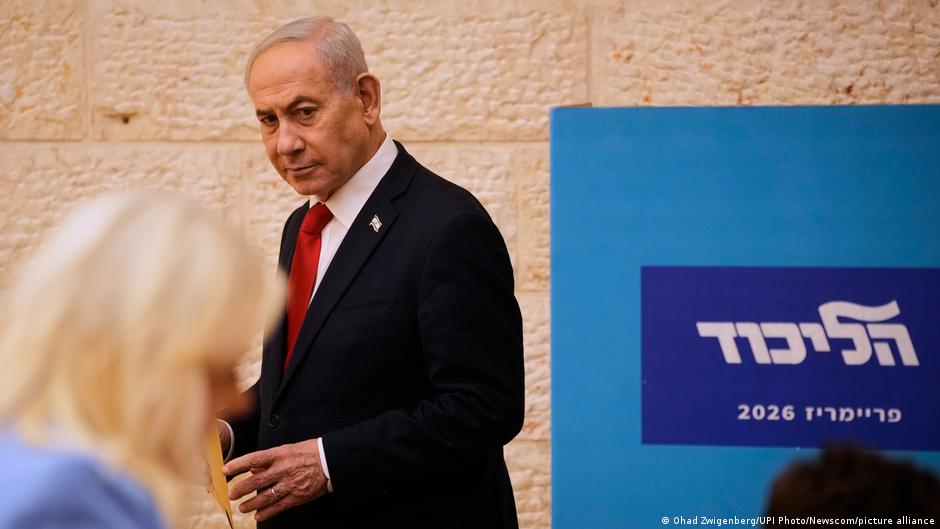
Eisenkot's son was killed in 2023 during the Israel-Hamas war. According to Ze Be AI, a research project of the Open University of Israel, monitoring AI content in the 2026 legislative election campaign, this clip is just one of more than 1,800 posts with AI-generated content that Netanyahu's Likud party had released throughout the election campaign by mid-October. That represents about a quarter of the Likud party social media materials analyzed by Ze Be AI.
On October 27, Israelis will vote in an election that could oust Netanyahu from power or cement his grip on the country for the coming years. Political scientists are already calling it Israel's first AI election. Parties have been deploying AI across every aspect of campaigning — from creating outrageous videos aimed at stirring controversy to robocalling voters and unleashing bots online.
"There is a scenario where, in a strategic point shortly before the election, AI could or would be used in ways that would steer controversy that could tilt the election results," said Anat Ben-David, a media researcher leading the Ze Be AI project at the Open University of Israel. Ben-David and her research team have been tracking all of the content posted on social media by politicians since the end of July. By mid-October, they had collected more than 44,000 posts across Facebook, Instagram, X and TikTok and found that over 14% of the material used AI in some way.
A hybrid approach was most common, with AI being deployed for a part or segments of an ad: in images, music, subtitles, logos or full-fledged deepfakes. Some fringe parties use the greatest ratio of AI in their content. But Likud is the winner by far when it comes to sheer numbers of AI use in content analyzed by the team.
Extract — continue reading at the source.