Nearly 980,000 people were deported from the United States in the first 18 months of the Trump administration, according to an analysis by the Migration Policy Institute. The annualized pace is roughly 26 percent higher than the average during the previous administration. Those numbers measure a policy.
They do not measure what happens next. I am an immigration attorney in Miami, and I represent the families who live through deportation. What stays with me is not only the removal itself.
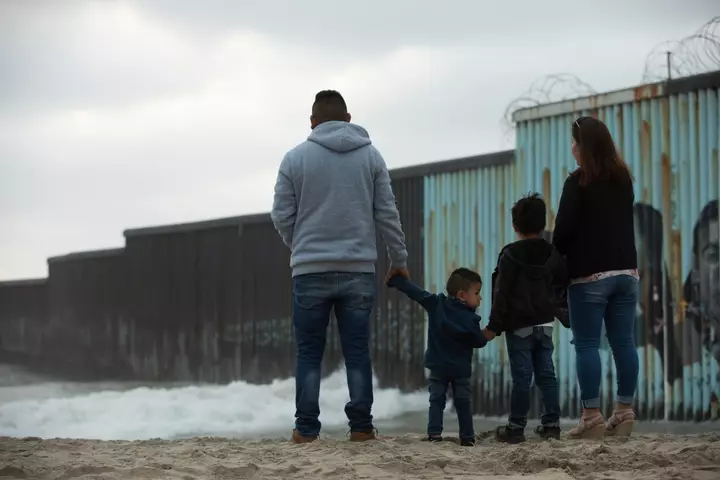
It is the lives that are torn apart, before, during and after the removal. But we as a society continue to talk about these lives as nothing but numbers, forgetting what the true aftermath of a removal looks like. A woman detained on a Tuesday and released days later in a country she had not seen since childhood.
A father set down hours away from his family because the removal flight went where it was scheduled to go, not where he needed to be. A mother who stepped off the plane with no change of clothes, no phone, no money and no way to reach the one person who was supposed to be waiting for her. The deportation is the part the public sees.
The rest is the part families live with. The first thing most people do not plan for is where they will actually land. A removal flight does not coordinate with your home.
It goes where the government sends it. If your family is in the north and the plane lands in the south, you are stranded. You need a plan for getting from the airport to the people who can help you.
Extract — continue reading at the source.