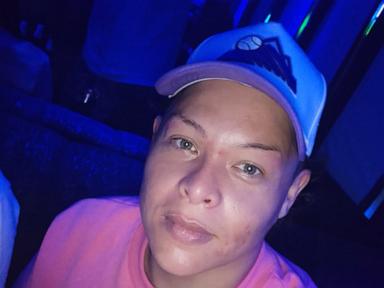
Daniela Fuentes is a transgender woman from Cuba who's been deported to the Central African Republic as part of a U.S. immigration policy DAKAR, Senegal -- In Miami, Daniela Fuentes styled hair for clients and performed in drag at a nightclub called Azúcar. She wore her blond wig in public and dressed as the woman she had known herself to be since adolescence in Cuba. Now, more than 6,000 miles (10,000 kilometers) away in the Central African Republic, she wears men’s clothes, lowers her voice and tries not to draw attention to the breasts she developed after beginning hormone treatment as a teenager.
As part of U.S. efforts to deport people to countries other than their own, authorities sent her Aug. 29 to a place where she has no ties and where advocacy groups have reported arbitrary detention, torture, and other rights violations of sexual and gender minorities. State Department advises American travelers to avoid — is one of at least 12 African nations that signed agreements to accept “third-country” deportations, a policy the U.S. Supreme Court last month allowed to continue, at least temporarily.
In the Central African Republic — where transgender people have little to no legal protections and are marginalized in much of society — Fuentes dons her wig only in the privacy of her bathroom. She described disguising herself as protection, first in U.S. detention and now in a country she first heard of when she was already headed there on a deportation flight. Public records say a judge ordered Fuentes to leave the U.S. but offer no other information.
Immigration and Customs Enforcement officials did not reply to emailed questions. Fuentes' compound in the capital, Bangui, is an apartment complex where the government houses male deportees. Fuentes said she can leave but that officials have advised her and others to avoid it — they have no identification, which could lead to issues with the police.
It also means they can't work, she said, and she's waiting on travel documents that would allow her to leave the country. The International Organization for Migration, an agency associated with the United Nations, has provided food, and the migrants say they've crowdsourced for donations to buy groceries. The U.S. — via agreements often not made public — has deported about 25,000 people to more than two dozen countries that aren't their own, the vast majority to Mexico, according to a tally by Third Country Deportation Watch, a partnership of Refugees International and Human Rights First.
The U.S. has not released numbers or details. From January 2025 to August 2026, more than 500 were sent to countries in Africa, according to a Human Rights Watch report published Thursday — including at least 12 people who identify as lesbian, gay, bisexual or transgender and were deported to places that criminalize same-sex relations or public same-sex romantic conduct. Some advocates say the number is likely higher.
Extract — continue reading at the source.