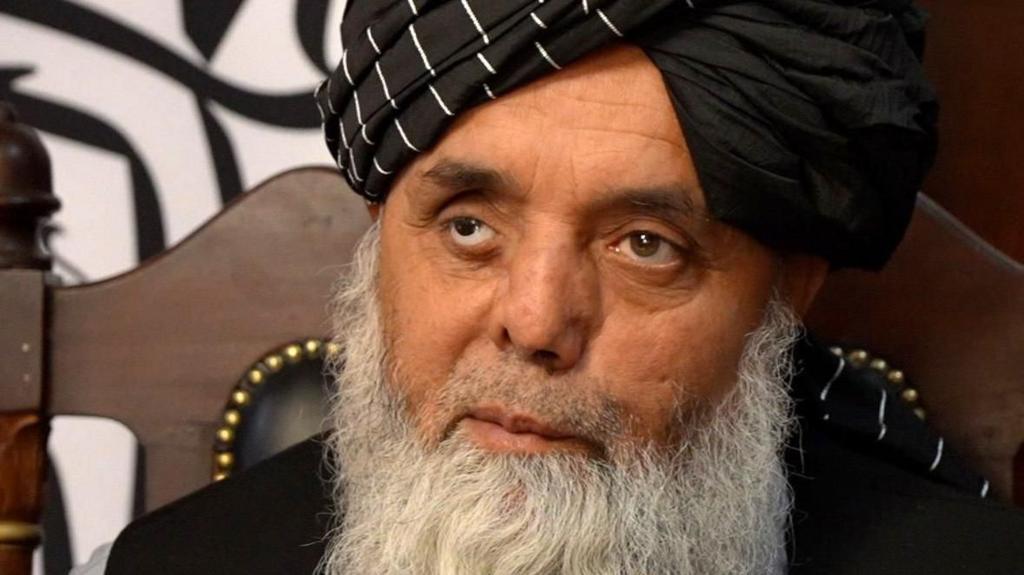
Governor Abdullah Sarhadi gives money to treat a boy's broken arm and hands out funds for a local mosque - then, in his office in northern Afghanistan, an astonishing exchange unfolds. A young woman tells the grey-bearded former Taliban commander that she wants to divorce her husband, who she accuses of months of abuse and beatings. In a country where girls are banned from secondary education, the 18-year-old argues her case calmly and confidently, her face completely hidden behind a full-face veil and sunglasses.
"If there was any chance to live together, I wouldn't be here… I have taken my decision," she says. After trying to persuade her to avoid divorce, the governor later comments that women are "mindless" and "deficient in intellect", to laughter from the male officials, bodyguards and elders around him. The moment gives a rare glimpse into the day-to-day realities of the Taliban's rule, five years after they swept aside the US-backed government in 2021.
In that time, women have been excluded from most workplaces, banned from universities and may not travel alone or visit parks and leisure centres. In encounters spread over two years, the BBC gained unusual access to influential figures in the extreme Islamist movement, spending time with men who once planned suicide attacks or spent years in underground hideouts, but are now officials and soldiers. The Taliban came into power saying they had changed, but many of their policies are similar to the hard-line interpretation of Sharia - Islamic religious law - they imposed in the 1990s.
The men we met seemed to want to present themselves as reasonable, yet were not keen to discuss their past violence. And we saw moments of unease between the rulers and those they rule. Afghan women tell the BBC their lives are unrecognisable after five years of Taliban rule Five years of the BBC questioning the Taliban over women and girls' education Governor Sarhadi says Tuba – not her real name – should stay in the marriage.
"Ask yourself: 'Who would marry me after I get my divorce?'" says Sarhadi. "You'll have to compromise a lot or you'll lose your dignity and honour." "Mr Governor, my honour and dignity have already been ruined," she responds. Her husband listens, awaiting his turn to speak.
Under Sharia, a woman requesting that her husband agrees to a divorce may have to return some or all of the money given to her by him when they married. A financial settlement is often agreed. But this woman's husband says he wants four times the amount, which her family refuses to pay.
Extract — continue reading at the source.