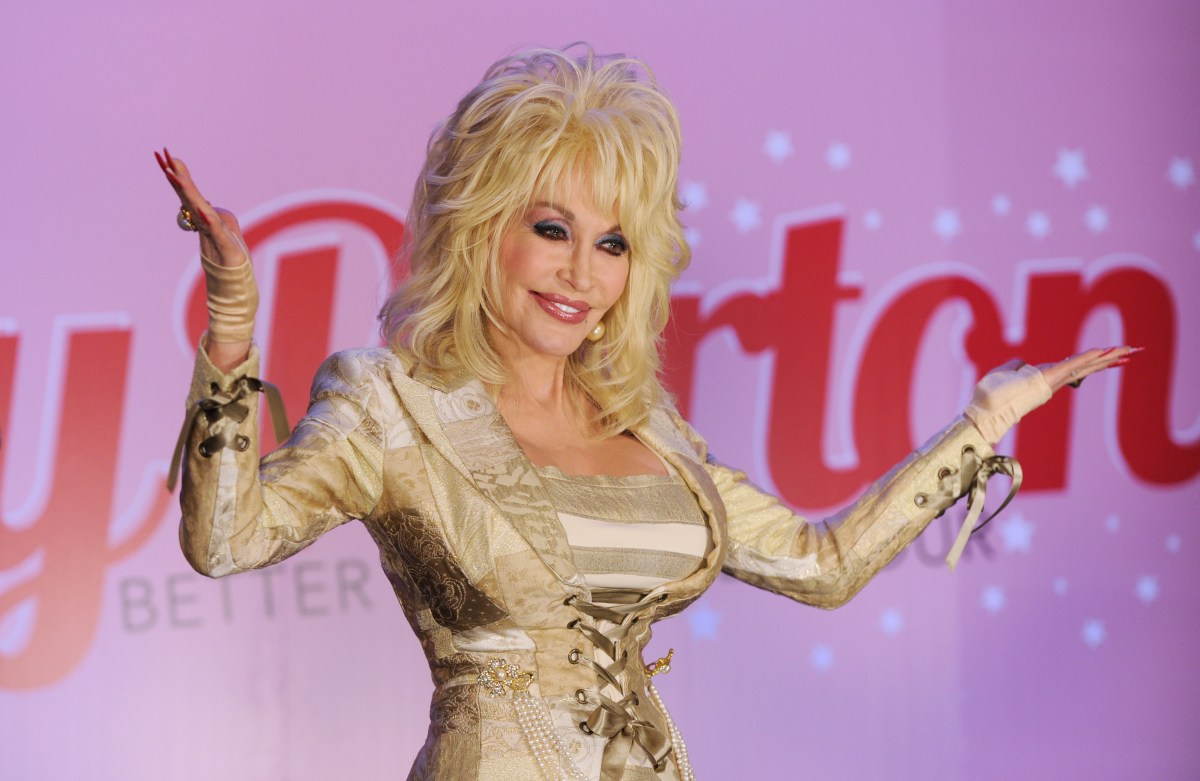
The death of country music icon Dolly Parton at age 80 has prompted tributes from across the political spectrum, including from President Donald Trump, who has long spoken positively about the singer, songwriter and philanthropist. Parton's decades-long career made her one of America's most recognizable entertainers, while her charitable work and efforts to stay above partisan politics earned admiration from both Republicans and Democrats. Although Parton generally avoided talking politics, she made a few comments over the years to clarify her positions when she was brought into the conversation.
In an October poll from the University of Massachusetts, Parton was the only person included in the survey to get over 50 percent favorable rating from Democrats, Republicans and independents. Her family announced her death in a video on social media on Tuesday. Trump has repeatedly praised Parton over the years, describing her as an American cultural icon whose influence reached far beyond country music.
"This is a true loss for millions of people. There has never been anyone like her, and never will," Trump wrote in a post on Truth Social following news of Parton's death. Trump added that he was ordering the American flag to be at half-staff for one week starting Tuesday at 6 p.m.
Parton's widespread popularity made her one of the few entertainers admired across political divides. Her career spanned more than six decades and included chart-topping music, film roles, business ventures and major philanthropic initiatives. She sold more than 100 million records and became one of the most successful female artists in country music history.
During his first term, Trump's administration twice offered Parton the Presidential Medal of Freedom, the nation's highest civilian honor. In a 2021 interview on NBC's Today show, Parton revealed that the Trump administration offered her the award twice. She said she couldn't accept the first invitation because her husband, Carl Dean, was ill.
When she was approached again, she declined because she did not want to travel during the COVID-19 pandemic. Parton emphasized that her decisions were not political. She said that her circumstances simply made it difficult to attend a White House ceremony.
Extract — continue reading at the source.