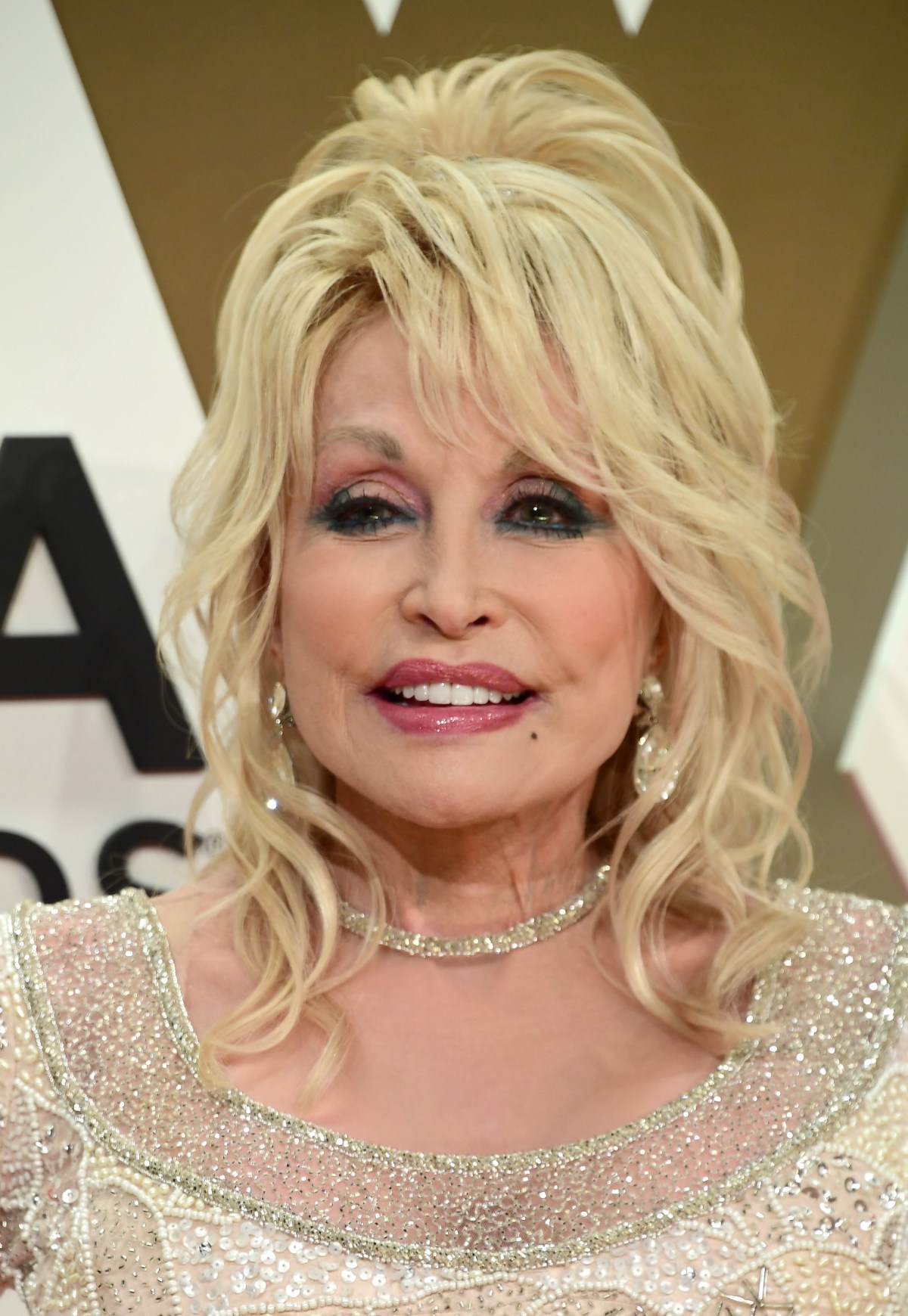
While fans mourn the death of a country music icon, cybercriminals have found a new way to exploit unsuspecting victims. Scammers began launching fraudulent campaigns within hours of news of country music icon Dolly Parton’s passing, according to a new report from cybersecurity firm Allure Security. The company found dozens of impersonation threats and scam operations using Parton's name and image to target grieving fans with fake donation requests and memorial merchandise offers in the day following her death.
Emotion, attention and urgency all at the same time.” Celebrity impersonation scams have become an increasingly common form of fraud, fueled by social media and artificial intelligence tools that make fake accounts and misleading content more convincing than ever. Because of Parton’s longstanding philanthropic work, people could be even more easily tricked. Over decades, she became closely associated with charitable causes including the Dollywood Foundation and the Imagination Library, so donation-themed scams could potentially be more persuasive to fans looking to honor her memory.
Parton died on Tuesday at age 80 after what her estate described as a "brief battle with cancer." Her family announced her death through a video message from her nephew, Bryan Seaver. The statement added: “Our beloved Dolly Parton spent her life and career bringing joy, laughter, hope and integrity into everything she touched. Her unmatched generosity reached the lives of countless people whom she would never meet, yet she was always there to offer a helping hand.
According to Allure Security, a probe conducted on Wednesday identified 62 impersonation threats tied to Parton and her charitable organizations just a day after her death. More than a dozen of those cases involved active scams targeting fans, though they stressed the real number was likely higher because fraudulent advertisements were continuing to appear during the probe. The company said scammers moved quickly.
Fraudulent advertising campaigns reportedly appeared within hours of the public announcement of Parton's death, with some pushing memorial-themed merchandise and others soliciting donations through misleading or fake charity campaigns. Instead, fake social media profiles falsely claiming to be Parton or affiliated with her charities had existed before her death and were subsequently repurposed to capitalize on widespread public attention. Some of these impersonation accounts were on Facebook, Instagram, X and YouTube, but scammers increasingly find new ways to target potential victims.
And older adults tend to suffer much larger losses when certain impersonation and prize scams succeed.” Cybersecurity experts have warned that Parton fans should be alert for several red flags: Advances in AI have made this type of content more difficult to identify, but you should generally verify any donation request through the official charity website. You should also avoid clicking on links received through unsolicited social media messages. If a post, message or phone call asks you to donate, claim a prize or send money because of Dolly’s death, stop.
Extract — continue reading at the source.