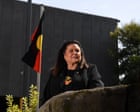
On the steps of Victorian parliament stood 121 empty chairs, marking the number of Indigenous lives lost to suicide in the state in the past five years. All of these deaths, the state’s peak body for Aboriginal health said, came after the final report of the royal commission into mental health in March 2021. Its key findings heavily emphasised Aboriginal self-determination, social and emotional wellbeing, and the establishment of two cultural healing centres.
The state government accepted all 65 recommendations from the final report and nine from the interim report, but is yet to fully implement those directly related to First Nations people who remain three times more likely to die by suicide. The Victorian Aboriginal Health Organisation (VACCHO) chief executive, Jill Gallagher, said the tragic statistic showed that mainstream mental health services are not working for Aboriginal and Torres Strait Islander people. We have not established those very important healing centres, and it is crucial to try and address those numbers.
Our families suffer, our communities suffer.” Gallagher said VACCHO had applied twice in the past five years to see the healing centres funded, with an estimated cost of $36.2m over four years. Gunditjmara woman Nikki Foy, who lost her brother to suicide more than 20 years ago, said mainstream mental health services were not equipped to handle “complexities of the trauma that we carry”. Culture heals,” she said.
A mother, a father, a brother, sister, uncle or aunty or grandparents will get that call and be told that their loved one has passed by suicide … enough is enough. Let us do that.” Reducing rates of suicide in Indigenous communities is one of the 17 Closing the Gap targets. Both the Victorian minister for mental health, Ingrid Stitt, and the opposition spokesperson, Emma Kealy, addressed reporters alongside Gallagher.
But while both spoke of the need to address the self-harm crisis in Indigenous communities, neither committed to funding the centres. The Coalition has vowed to repeal Victoria’s historic treaty laws and dismantle Gellung Warl, the representative body for First Nations Victorians set up within that treaty process, within 100 days if it wins the state election in November. Asked if abolishing Gellung Warl would help reduce suicide rates, Kealy said the Coalition’s policy was focused on making sure Aboriginal community-controlled organisations were funded and said that “while the journey may be different”, the party was committed to closing the gap.
Stitt said she would continue to advocate “strongly within cabinet and within the budget process” to have the healing centre projects supported.
Extract — continue reading at the source.