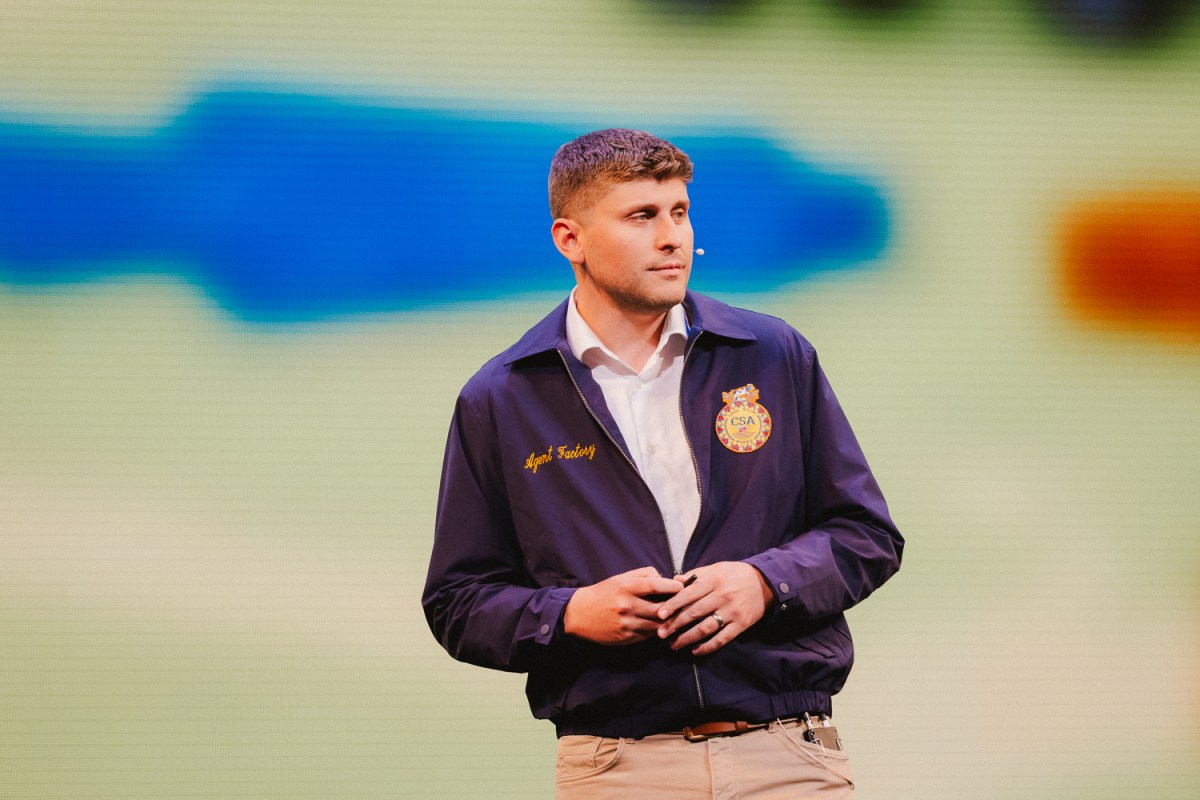
This is a preview of the August 20 edition of Access Health—Tap here to get this newsletter delivered straight to your inbox on Thursday mornings. If last year's Epic User Group Meeting felt like science fiction, this year's felt distinctly down-to-earth. At least, that was my impression as the futuristic sets and big-picture visions of AI transformation gave way to a theme of Midwestern hospitality at Epic's sprawling Verona, Wisconsin, campus this week.
Don't mistake the approachable packaging for a retreat from the company's AI ambitions—quite the opposite. Epic's message this year was that much of what sounded futuristic 12 months ago is getting closer to everyday work. One skit captured that transition particularly well.
In an Inside Out-esque portrayal of an AI agent at work, Epic employees played the different components operating behind the scenes. Each enthusiastically declared, "This is my favorite part!" before doing their job and, eventually, pressing a giant button to send out the query. It was characteristically Epic: playful, elaborate, a little strange.
But it also captured two conversations I kept hearing throughout the general session and in the halls afterward. First, we're talking less about what AI might someday do and more about what it is doing today. Second, proving that the technology works doesn't necessarily mean health systems are ready to use all of it.
Epic repeatedly encouraged customers to turn on more features and make better use of the products already at their fingertips. Some health system leaders, meanwhile, are still figuring out whether they have the people and infrastructure to safely manage everything that's becoming available. Agent Factory is a good example of both.
The platform gives health systems tools to build and adapt agentic workflows for their own needs. Instead of waiting for Epic to develop a capability or buying another product from another vendor, they can increasingly build it themselves. Inova Health has 70 AI features in production, about 20 percent of which are agentic, Chief Data and AI Officer Jon McManus told me at UGM.
Extract — continue reading at the source.