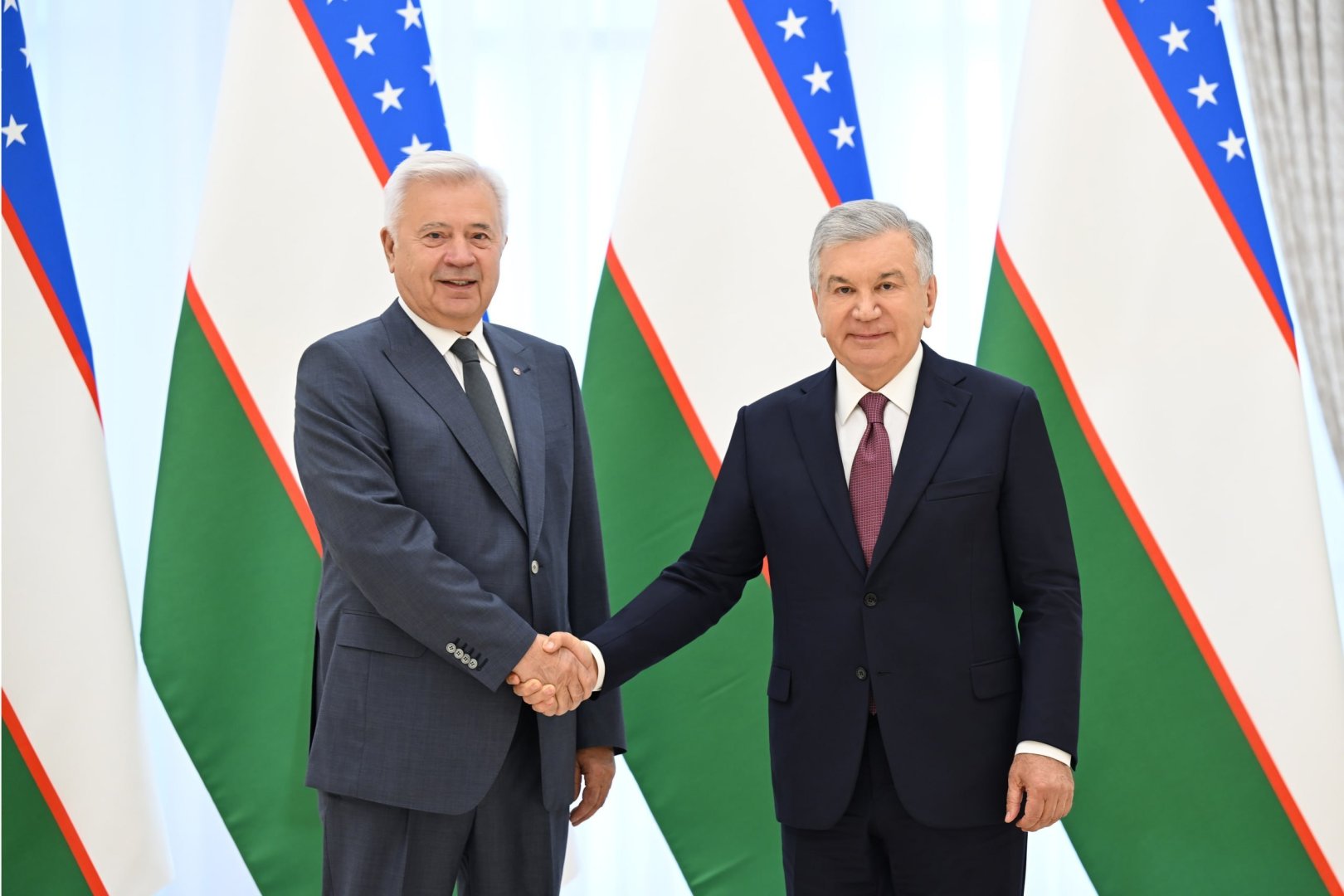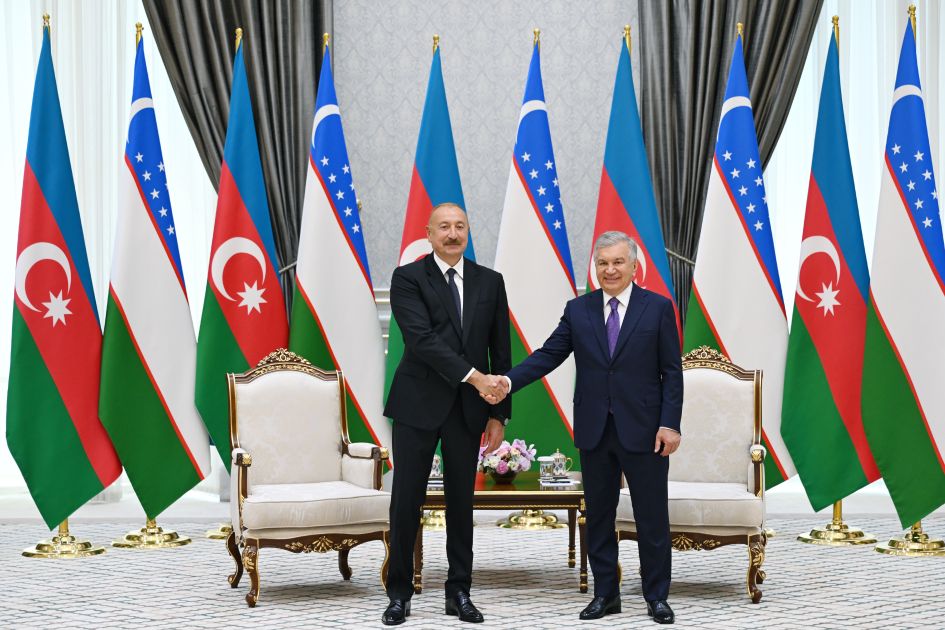
There are diplomatic agreements that make headlines for a day, and there are agreements designed to shape relations for decades. The treaty signed by Azerbaijan and Uzbekistan on 23 August belongs to the second category. During President Ilham Aliyev’s state visit to Uzbekistan, the two presidents signed the Treaty on Eternal Friendship between the Republic of Azerbaijan and the Republic of Uzbekistan.
But the substance is even more significant. Your browser doesn't support video. Please download the file: The document does not simply celebrate the historical, cultural and linguistic bonds between two Turkic nations.
It attempts to institutionalise them. For years, Baku and Tashkent have described their relationship in the language of brotherhood, strategic partnership and alliance. The new treaty takes that political vocabulary and gives it a much more durable framework.
The relationship is no longer being built around individual leaders or individual political moments. It is being designed as a long-term strategic commitment. And this is what the message is about, and in the meantime, that makes the agreement important far beyond its symbolism.
The two sides undertake more than to participate in blocs or alliances that could harm the sovereignty, security or territorial integrity of the other. They commit to preventing their territories from being used by third parties to pursue such objectives. That is a significant provision in a region where geography has repeatedly turned small disputes into larger geopolitical problems.
The South Caucasus and Central Asia sit between major powers and competing geopolitical projects. Both Azerbaijan and Uzbekistan have therefore developed foreign policies that place considerable emphasis on sovereignty, strategic autonomy and the right to pursue their own development models. The treaty explicitly reinforces that principle and effectively says that Baku and Tashkent will not merely support one another diplomatically.
Extract — continue reading at the source.