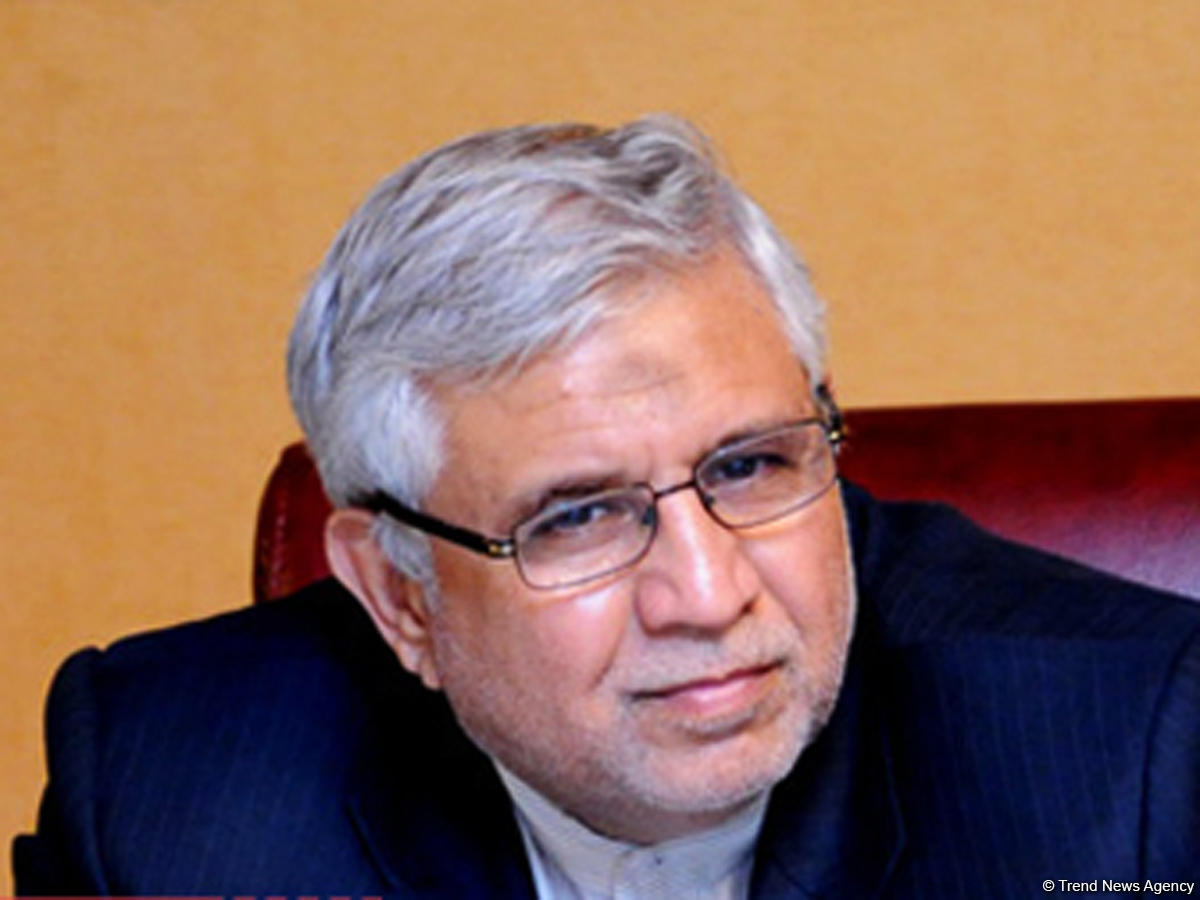
Bu barədə İranın Azərbaycandakı keçmiş səfiri Möhsün Pakayin məlumat verib. Onun sözlərinə görə, İranda bəzi insanlar hələ də yanlış təsəvvürə malikdirlər ki, İranın Xəzər dənizindəki payı 50% olmalıdır. Halbuki heç bir tarixi dövrdə, hətta sovet dövründə də İranın payını 50 faiz təşkil edəcək razılaşma və ya qanun olmayıb.
"SSRİ dövründə onun sahilləri İran sahillərindən təxminən 7 dəfə böyük idi. Təbii ki, o zaman 50 faizlik paydan söhbət getmirdi. Bundan əlavə, SSRİ super dövlət kimi İrana hətta onun təyin etdiyi 10 millik zonada belə gəmiçilik və balıqçılıqla məşğul olmasına icazə vermədi və çoxlu maneələr yaratdı".
Pakayin qeyd edib ki, buna əsaslanaraq nə 50% pay iddiası, nə də Astara-Hüseynqulu xəttinə istinadın hüquqi və real əsası yoxdur. Hətta Xəzər dənizinin hüquqi statusu haqqında Konvensiyanın qərarlarından birində göstərilir ki, SSRİ dövründə qəbul edilmiş xətlərin heç bir qüvvəsi yoxdur. Sabiq səfir qeyd edib ki, bu konvensiyanın Xəzər dənizinin təhlükəsizliyinin təmin edilməsi, bu dənizin qeyri-hərbi formada saxlanılması, gəmiçilik, balıqçılıq, ətraf mühitin mühafizəsi, terrorizmlə, mütəşəkkil cinayətkarlıqla mübarizə ilə bağlı müddəaları ölkələrin maraqlarına uyğundur.
"5 sahilyanı dövlət arasında fikir ayrılığı məsələsi başlanğıc xəttinin və hər bir ölkənin dənizin dibi və su hövzəsindəki payının müəyyən edilməsidir. Bəzi ölkələr Xəzər dənizini azad hesab edir və dənizin hüquqi statusu haqqında 1982-ci il Konvensiyasının tətbiq olunmasını istəyir, İran isə Xəzəri qapalı dəniz hesab edir", - o qeyd edib. Pakayin əlavə edib ki, bu ciddi fikir ayrılığına görə bu məsələlər sözügedən konvensiyaya daxil edilməyib.
Beş ölkənin hamısı fikir ayrılığı məsələlərini bir kənara qoymağa və razılaşmaların əldə edildiyi hallarda anlaşmaya nail olmağa razılaşdılar. Müvafiq olaraq, bu konvensiya yalnız bütün ölkələrin ümumi fikri olan və hüquqi əsası olan prinsiplərə əsaslanır. Başlanğıc xətti və hər bir ölkənin payı müvafiq ölkələr arasında ikitərəfli və ya çoxtərəfli razılaşmaların əldə edilməsinə yönəlib.
Məsələn, İran və Azərbaycan Əlborz neft yatağı kimi müştərək sahələrdə əməkdaşlıq sazişləri imzalayıb və İran Azərbaycan və Türkmənistanla ikitərəfli müzakirələri davam etdirir. "Təbii ki, İran parlamenti də bu konvensiyanı diqqətlə və hərtərəfli araşdırmalıdır və parlamentin qəbul etdiyi qərar məmurlar tərəfindən icra olunacaq. Bir ekspert kimi hesab edirəm ki, bu sənəd tezliklə ratifikasiya olunarsa, İranın Xəzər dənizindən qanuni istifadəsinə daha çox şərait yaradacaq".
Xülasə — davamını mənbədə oxuyun.