This article has been reviewed according to Science X's editorial process and policies. Editors have highlighted the following attributes while ensuring the content's credibility: A new study finds that while most Americans are interested in science and believe it benefits society, the public's relationship with science is more complicated than those positive views suggest. In a national survey of 1,854 Americans, North Carolina State University researchers found that 60% or more were interested in science or believed it has value to society, but fewer than half considered science credible or felt a sense of belonging in the scientific community.
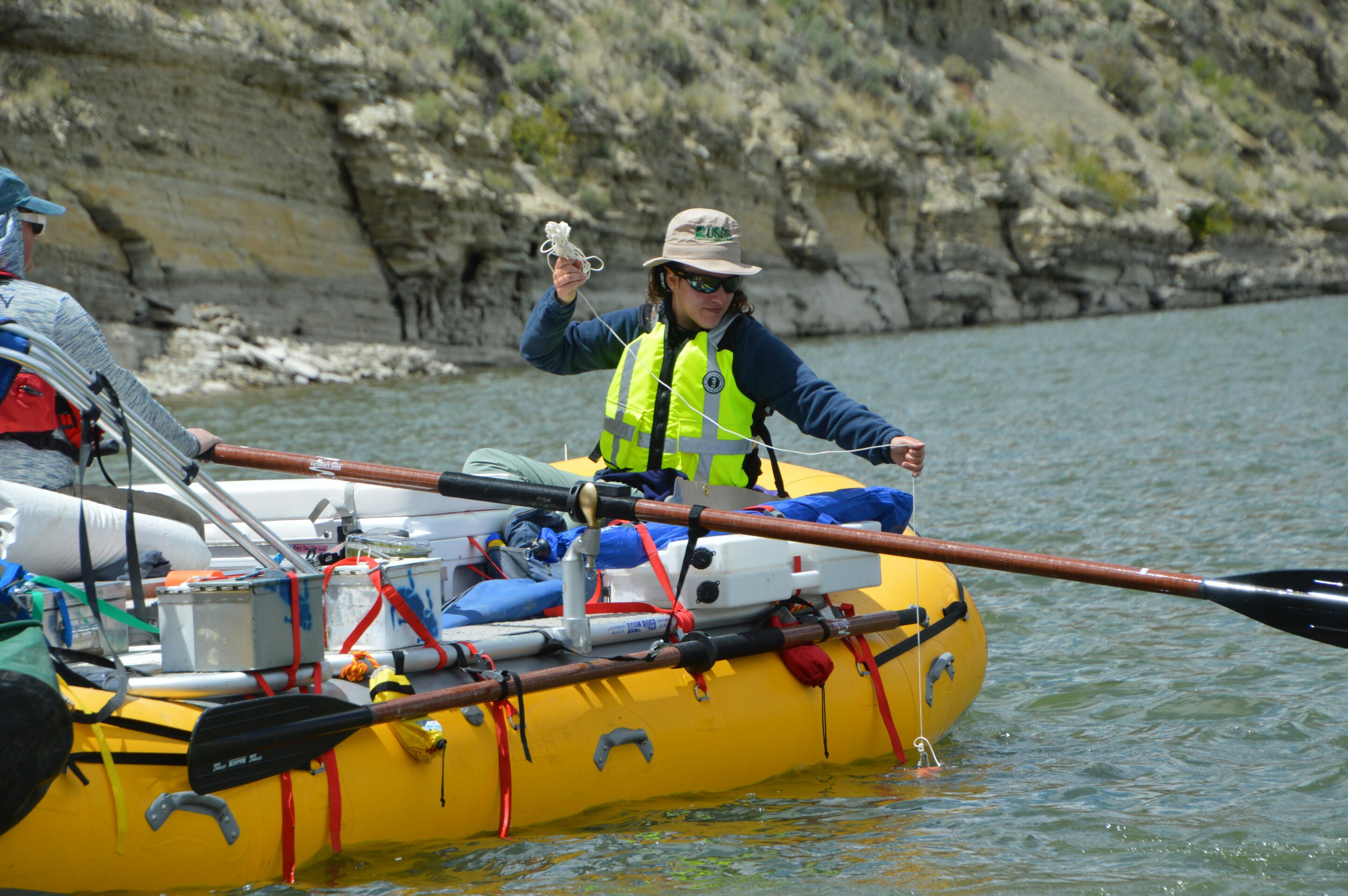
The findings, published in the journal PLOS One, also revealed significant differences across demographic groups, with women, people without college or graduate degrees and Black Americans reporting weaker connections or beliefs about science in some areas—underscoring persistent challenges around the accessibility and inclusivity of science. Addressing those gaps may require increasing opportunities for the public to engage directly with scientific research, according to the study's lead authors, Brooklynn Joyner and Lincoln Larson, both of the Department of Parks, Recreation and Tourism Management at NC State. One approach they point to is citizen science—also known as participatory or community science—which invites everyday people to collaborate with scientists on research projects through data collection and analysis.
About 14% of surveyed Americans had participated in multiple citizen science projects, and these individuals reported greater interest in science, more confidence in their ability to do science, a stronger sense of belonging and a greater belief in science's value. In the following Q&A, Joyner and Larson discuss the study's findings and what they reveal about Americans' relationship with science, the barriers to making science more accessible and inclusive, and the potential of citizen science to strengthen those connections. Joyner: In my experience, people want to believe science just as much as they are interested in it and value it.
But we live in an increasingly skeptical society where science can be spun to fit different agendas and the public is concerned—sometimes rightfully so—that they don't have the information needed to decipher the details. We expect to see a small gap in perceived credibility of science—some level of skepticism is normal and healthy—but we want to be careful that this gap doesn't widen so much that it causes real issues. And right now, I'm not sure that we know what that number should look like.
Larson: I think the discrepancy here might be attributed to something we've seen in some of our other research: People trust science, but they don't necessarily trust scientists. While the public believes in the value of science, many people worry that scientists themselves have hidden agendas and might be influenced by some larger corporate or political forces. Even if this is rarely the case, it can erode perceived credibility.
Joyner: There's a lot of data that show science does have an accessibility and inclusivity problem across many fields of study. This isn't a new problem either. Historically, women and people of color were not allowed to practice science, and the lack of inclusivity in science we see today is one long-term result of that.
Extract — continue reading at the source.


