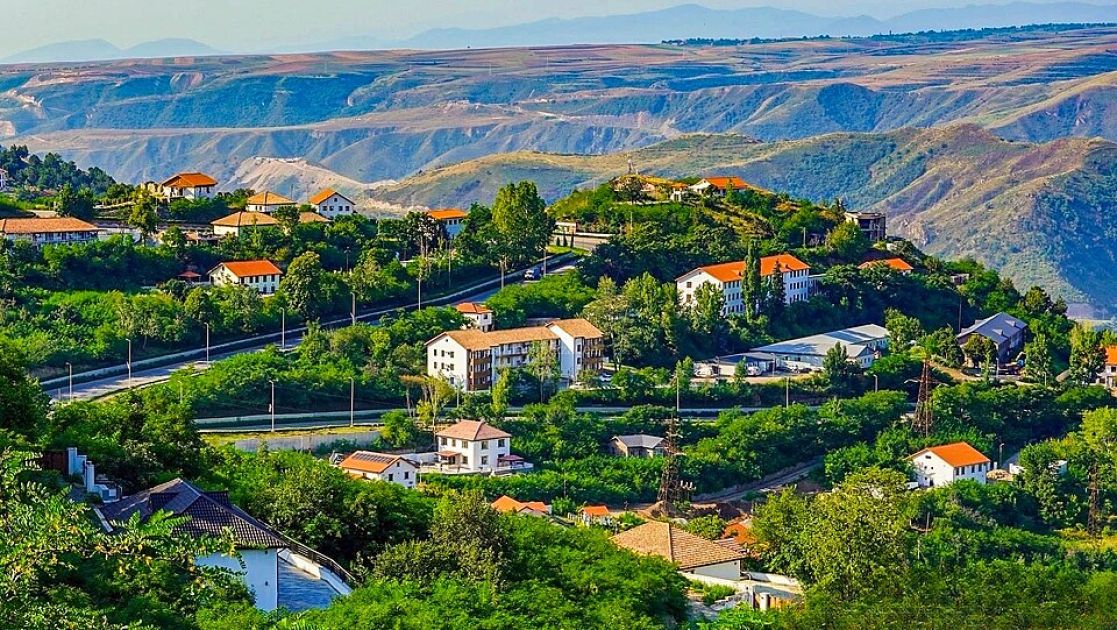
Lachin has a character all its own, a place where dramatic mountain scenery, centuries-old heritage and a renewed cultural life come together. Forests cover the slopes, rivers wind through narrow valleys, mineral springs emerge from the mountains, and historic monuments preserve traces of the region's long and varied past. At the same time, new cultural venues, tourism facilities, roads and public spaces are giving the city a new chapter in its history.
Few destinations in Azerbaijan bring together such a remarkable combination of mountain landscapes, historical heritage and cultural activity. Lachin is a mountain city in southwestern Azerbaijan and the administrative centre of Lachin District, which was established in 1930. The city was known as Abdallar until 1923.
Its mountainous geography has played an important role in shaping both its history and way of life. Lachin is steadily developing as a destination for cultural tourism, mountain recreation and international cultural events. August 26 has a particular place in the city's modern history.
Lachin, together with the villages of Zabukh and Sus, came under Azerbaijani control on August 26, 2022, and the date is now marked as Lachin City Day. Since then, extensive reconstruction has transformed the city, while the return of former internally displaced residents has brought community life back to the region. Nature is one of Lachin's greatest attractions.
The district is known for extensive forests, protected areas, rich flora and fauna, mineral springs and the rare red ironwood tree. The Hakari and Zabukh rivers meet near Zabukh, creating an especially scenic setting for visitors. The surrounding landscape offers opportunities for hiking, trekking, walking and camping, while the villages provide different ways to experience the mountain environment.
The cultural heritage of Lachin is equally varied. The district is home to ancient religious monuments, medieval cemeteries, burial mounds, caves and distinctive stone monuments. Among the best-known sites are the Aghoghlan monument, Damrovlu Pir Temple, Kar Kunbez Mausoleum and Ushag Castle.
Extract — continue reading at the source.